
The Department for Work and Pensions (DWP) has announced modifications to payment dates in May due to two forthcoming bank holidays — Monday 4 May and Monday 25 May. Since banks and DWP offices remain closed on bank holidays, payments will not process on those dates, so the department moves money to the final working day before each holiday.
Payments due on Monday 4 May — the Early May bank holiday — will arrive on Friday 1 May. Payments due on Monday 25 May — the Spring bank holiday — will instead be sent on Friday 22 May. Claimants who receive early payments need not take any action, as payments return to their normal schedule from June onwards.
 Figure 1: DWP has announced modifications to payment dates in May [Disability News Service]
Why It Matters to Readers
May is a challenging period for UK households, as bill payers grapple with higher expenses from the new financial year. Around 24 million people in the country claim some combination of DWP-administered benefits, including those drawing a state pension — representing roughly one in three people.
Cost of living concerns persist as conflict in the Middle East threatens Britain’s economy. The US-Iran war has severely disrupted the global oil trade, producing knock-on effects on the price of essentials such as energy and food. Inflation rose in March to 3.3 per cent, marking only a slight 0.3-point rise but indicating a move away from the downward trend of recent months — a sign that household costs have started to increase more quickly once again.
Getting paid early can require careful planning. Since the next payment will still follow the original schedule, the gap between payments may feel longer — making budget management critical this month.
Who Is Involved
The DWP and HMRC administer the affected payments, reminding claimants to check their payment dates so they are not caught off guard by early deposits over long weekends.
The following benefits and payments face date changes:
- Universal Credit, State Pension, Pension Credit, Child Benefit, Disability Living Allowance (DLA), Personal Independence Payment (PIP), Attendance Allowance, and Carer’s Allowance.
- In Scotland, Social Security Scotland confirms similar arrangements covering Adult Disability Payment, Child Disability Payment, Scottish Child Payment, Carer Support Payment, and Pension Age Disability Payment.
- Best Start Foods payments are not affected and will continue on their normal schedule.
A DWP spokesperson stated, “Knowing when payments will arrive helps households manage their budgets, especially around busy bank holiday weekends.”
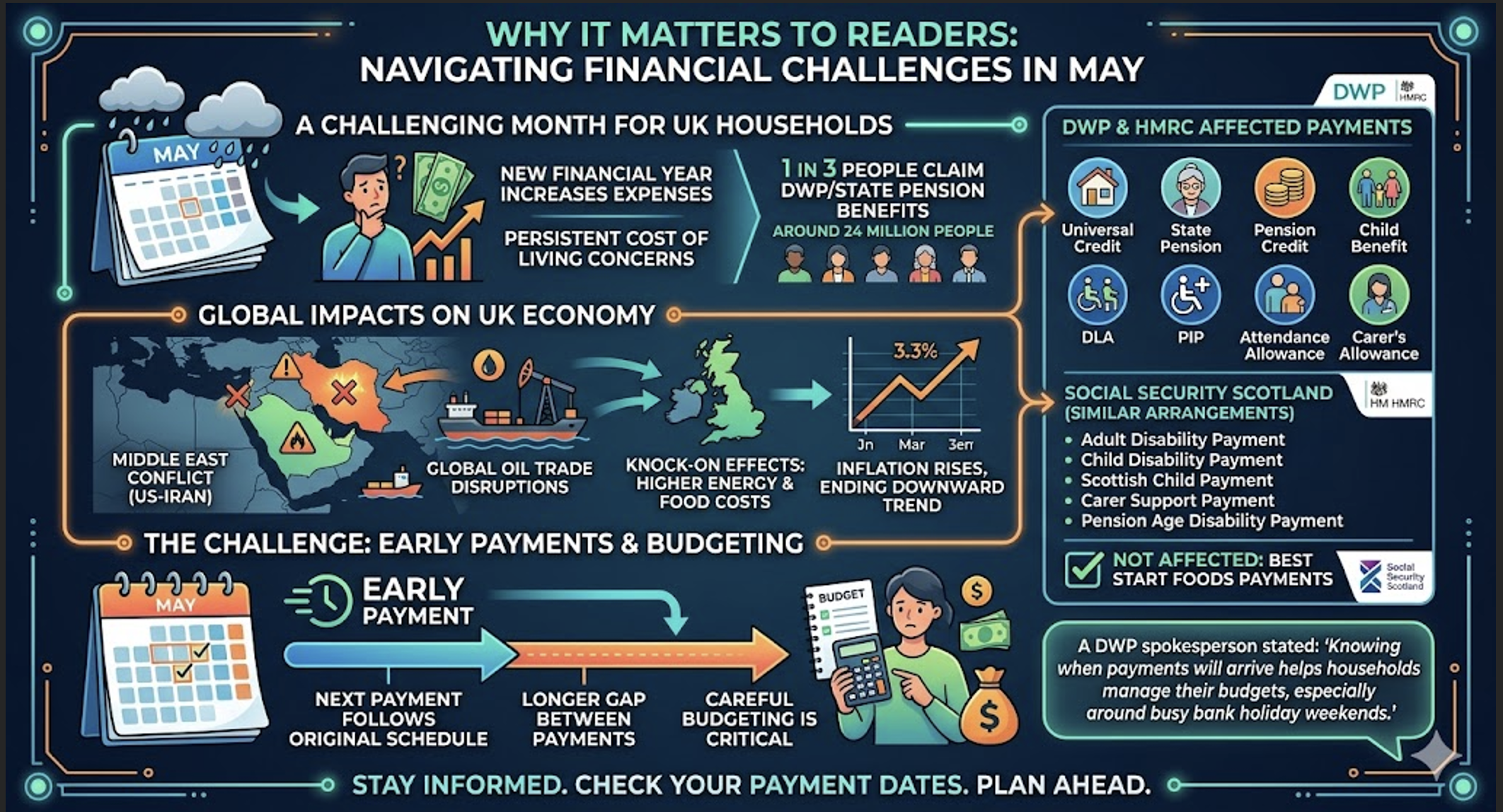 Figure 2: Navigating financial challenges in may
Where It Happened
The changes apply across the United Kingdom. These adjustments form part of the broader UK Benefit Payment Dates May 2026 update. Regional public holidays in Scotland — covering Glasgow, Edinburgh, and Dundee — and Northern Ireland can also affect payment timing separately from the UK-wide changes.
When It Happened
Benefit payments and state pension rates officially increased on 6 April at the start of the new tax year, though some recipients may notice a mix of both old and new rates in their payments, as their benefit covers a four-week period. Those on Universal Credit are unlikely to see the higher rates reflected until their May or even June payments, as the updated figures only activate once a full assessment period that began after 6 April has passed.
The two key altered payment dates for May 2026 are:
- Friday 1 May — for payments originally due Monday 4 May (Early May bank holiday)
- Friday 22 May — for payments originally due Monday 25 May (Spring bank holiday)
Also Read: Australia’s AI Mining Boom: Performance Gains and Rising Risks in 2026
How It Happened and How It Will Play Out
Universal Credit
In April 2026, all Universal Credit claimants received an above-inflation income boost of around 6.2 per cent to the standard allowance. For a single person over 25, this represents a £6 per week increase, rising from £92 to £98. For couples with one or both partners over 25, it marks an increase of £9 per week, rising from £145 to £154.
The DWP is nearing completion of the legacy benefit migration to Universal Credit. Employment and Support Allowance and Housing Benefit will not close until “the end of the summer” to allow vulnerable claimants more time to make the move.
State Pension
The State Pension pays on a four-weekly cycle directly into bank, building society, or credit union accounts — meaning recipients receive 13 payments per year, not 12. The payment day is determined by the last two digits of the claimant’s National Insurance number and remains fixed for as long as the recipient draws the pension.
The State Pension rose by 4.8 per cent from April in line with annual earnings growth, bringing the weekly amount to £241.05. Those with a National Insurance number ending between 00 and 19 receive payments on a Monday — meaning, with both bank holidays falling on Mondays, these recipients face payment shifts on more than one occasion in May.
Other Benefits
Most other benefits — including PIP, DLA, Attendance Allowance, Carer’s Allowance, and ESA — increased by 3.8 per cent, in line with the September inflation rate. However, the health element for new Universal Credit claimants was cut to £50 per week, and existing claimants’ rates remain frozen until 2029.
Energy and Cost of Living Support
Ofgem’s energy price cap sits at £1,641 for 1 April to 30 June 2026 — a decrease of around seven per cent, or £117. The energy price cap is the maximum amount energy suppliers can charge per unit of energy for those on a standard variable tariff, expressed as an annual bill for an average home. Ofgem will announce its cap for July to September by 27 May, and experts have warned this could represent a steep increase due to the situation in the Middle East.
From April, councils began administering Labour’s new Crisis and Resilience Fund, designed to support low-income households at times when affording essentials becomes a struggle. It replaces both the Household Support Fund and Discretionary Housing Payments. The fund operates under a cash-first approach, meaning councils award cash payments unless there is a fair reason not to do so.
For water, every company operating in the UK offers a social tariff by law. However, the amount varies between regions — some offer as much as 90 per cent off bills, while others cap support at a 20 per cent reduction. Many broadband providers also offer social tariffs to those on certain benefits such as Universal Credit or Pension Credit. Households on certain benefits may apply for a council tax discount of up to 100 per cent.
What Claimants Should Do
Claimants should make a note of the new dates, spread spending across the entire period until the next payment, and set aside essential expenses first — such as rent, bills, and groceries. For those on Universal Credit, checking the online account for exact payment dates is the recommended step. If a payment appears late, checking with the bank first, then contacting DWP or HMRC if necessary, is the advised course of action.
Research by Policy in Practice shows that £24 billion worth of benefits goes unclaimed every year — claimants can use its calculator to assess what support they may be entitled to.
Sources
- https://www.independent.co.uk/news/uk/home-news/dwp-payments-cost-of-living-pensions-benefits-may-2026-b2968592.html
- https://uk.finance.yahoo.com/news/march-2026-payment-dates-benefits-171142742.html
Disclaimer: This article is for informational purposes only. The information regarding benefit and pension payment dates is based on official announcements from the DWP and HMRC but should be independently verified by claimants. This content does not constitute financial, legal, or professional advice. Readers should exercise their own judgment and consult qualified professionals for advice specific to their individual circumstances.


