
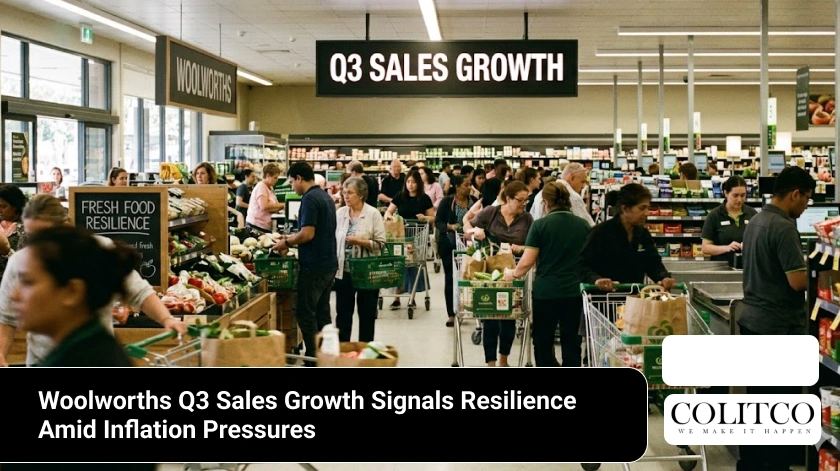
Third-quarter sales for the Woolworths Group grew 4.5% to $18,095 million. This growth was driven by robust Australian Food sales, up 5.9% to $13,828 million. This growth reflected improved momentum from the second quarter.
Demand was unaffected by the economic environment. Pantry stocking and improved conditions from previous industrial relations issues helped. Sales for Woolworths Food Retail were also up 5.9% (or 7.3% excluding Tobacco).
The consistent performance reflects the stability of the business. The Group continued to focus on value, convenience and execution to drive growth in a difficult environment.
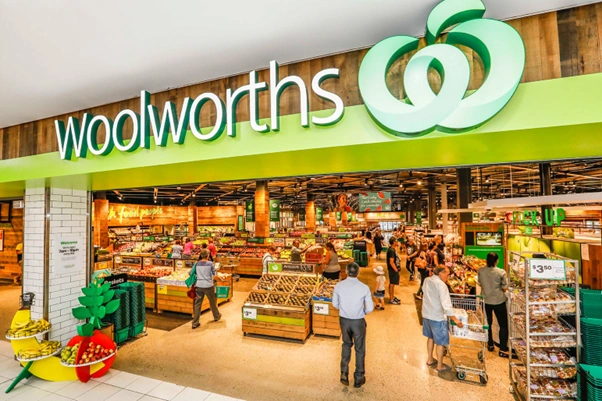
Woolworths Q3 sales performance highlights strong Australian Food growth momentum. [Courtesy: Microsoft Source]
How Woolworths Q3 Sales Growth Reflects Customer Demand Trends
Despite global uncertainty around inflation, consumer activity was strong during the period. Woolworths saw healthy item growth, reflecting continued demand across the board.
March pantry stocking led to short-term increases. But consumer confidence fell significantly during the quarter, affecting sentiment. However, year-on-year customer scores improved because of improved value and availability.
The quarter was impacted by seasonal factors and operational challenges. Value and affordability remain a focus. This is a strategy to smooth demand and assist customers amid cost-of-living challenges.
Why the Australian Food Segment Led Woolworths Q3 Sales Growth
Woolworths’ growth continued to be driven by the Australian Food segment. Revenue grew 5.9% to $13,828 million, on the back of growth in fresh and grocery food categories.
Fresh sales increased 8.0%, driven by strong demand for meat, seafood and chilled. Grocery Food sales increased 9.8% on the back of Easter demand. Own brands also performed well, up 6.7% on the quarter.
Investments in price led to a 1.0% (excluding Tobacco) average price reduction. This enhanced customer perceptions of value for money. Increasing promotions and loyalty cards also drove growth within the segment.

Fresh and grocery categories drive the Australian Food segment growth in Q3. [Courtesy: Circana]
Woolworths Q3 Sales Growth Boosted By eCommerce Expansion
Online sales were key to Woolworths’ Q3 results. Online sales growth grew 23.8%, and penetration was 16.6%. Fulfilment by delivery continued to grow strongly, especially in fast delivery. Almost half (47%) of delivery sales were fulfilled in under two hours.
Services such as MILKRUN and partnerships increased customer convenience. Average weekly visits to the digital platforms were 31.0 million, up 10.5% year-on-year. Digital app enhancements boosted customer engagement.
Loyalty programs also played a part, with 10.7 million active members. These digital initiatives are enhancing Woolworths’ competitive advantage in the changing retail environment.
What Impact Did Inflation And Global Events Have On Woolworths
The impact of global uncertainties, such as Middle East tensions, began to affect consumer behaviour and costs. Woolworths identified concerns from fuel prices and supply chain issues.
Effects were minimal in the quarter, but inflation risks will grow. Mitigation measures are in place for customers and suppliers. Price Freeze policies and cost management ensure affordability.
Managers are committed to efficiency and stakeholder support. Such measures will be crucial under pressure. The Group is committed to growth and stability in the face of economic uncertainty.

Rising inflation and global tensions shape Woolworths’ strategic outlook. [Courtesy: The Financial Express]
Australian B2B And New Zealand Performance Overview
Australian B2B sales grew 4.9% to $1,508 million on robust food service sales. Sales of export meat jumped 47.6% on global demand and prices. But supply chain sales were down slightly amid reduced Tobacco sales.
Domestically, sales increased 1.4% in AUD or 2.1% Easter adjusted. The market continued to be highly competitive with lower growth rates. Changing operations and falling consumer confidence affected growth.
However, eCommerce growth was still positive at 6.8%. These inconsistent results point to the different factors at play affecting Group performance in the quarter.
W Living Segment Supports Woolworths Q3 Sales Growth
The W Living segment continued to perform well with sales up 4.8% to $1,269 million. BIG W sales were up 3.9%, helped by stronger clothing sales and a strong Easter period.
Petstock saw strong growth of 15.9%, due to store growth and acquisitions. BIG W’s eCommerce sales also increased 17.9%. And the sales improved because of more full-price sales.
This was helped by ongoing investments in range and promotions. This business is an important complement to Woolworths’ other retail businesses.
What Is The Outlook For Woolworths After Q3 Results
Woolworths anticipates volatility in the short term from the global economy. Management noted the inflationary effect of fuel prices. EBIT growth in Australia Food is expected to be in the high to mid single digits.
But it is no longer forecast to be at the top end. New Zealand’s growth might continue to be sluggish, given competition and restructuring.
The company is not deterred from its plans. Areas of focus include cost savings, customer value and digital. It will update on this again in its full-year results in August 2026.
Also Read: Coles and Woolworths Are Now in the Government’s Crosshairs, and Aussie Shoppers Couldn’t Be Happier
FAQs
Q1. What was Woolworths’ total Q3 sales growth?
A1: Woolworths reported total Q3 sales of $18,095 million, up 4.5% year on year. Growth was driven mainly by the Australian food industry.
Q2. How much did eCommerce sales grow in Q3?
A2: eCommerce sales increased 23.8% during the quarter. Penetration reached 16.6%, showing strong digital adoption.
Q3. Which segment performed the best in Q3?
A3: Australian Food led performance with 5.9% growth. It remained the largest contributor to total Group sales.
Q4. What challenges does Woolworths expect ahead?
A4: Rising fuel costs and inflation may impact future performance. Global uncertainties could also influence customer behaviour.
Disclaimer:
This article is based on Woolworths Group’s Q3 FY26 sales announcement released on 30 April 2026. It is for informational purposes only and does not constitute financial advice. Market conditions, forward-looking statements, and company projections may change. Readers should consult official filings and financial advisors before making investment decisions related to Woolworths Group’s performance or outlook.
Sources:


