
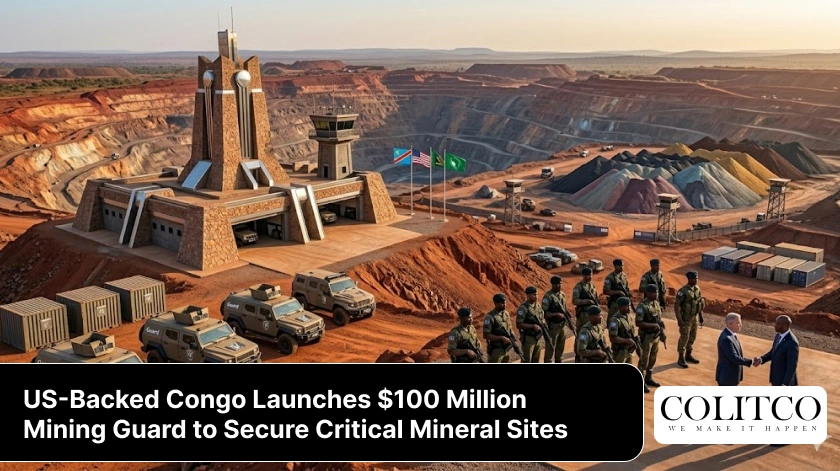
Congo Introduces Paramilitary Mining Guard
The Democratic Republic of Congo has launched a $100 million paramilitary “mining guard” to secure its vast mineral resources and supply chains. The initiative, announced by the General Inspectorate of Mines, aims to improve security across key mining regions and restore investor confidence.
The programme is backed by strategic partnerships involving the United States and the United Arab Emirates, reflecting growing international interest in Congo’s critical mineral sector.
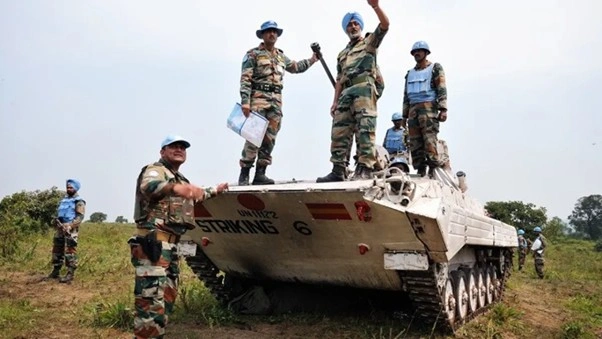
Armed security personnel or military patrol near a mining area. [Al Jazeera]
Focus on Security and Supply Chains
Authorities say the new unit will take over responsibilities currently handled by the national military. Its mandate includes protecting mining sites, escorting mineral shipments, and safeguarding investments across the country.
The move is designed to curb widespread mineral smuggling and improve traceability, key concerns for global buyers relying on ethically sourced materials.
Initial Deployment and Expansion Plan
The mining guard will be rolled out in phases. An initial force of 2,500 to 3,000 personnel is expected to become operational by December 2026 after undergoing military-backed training.
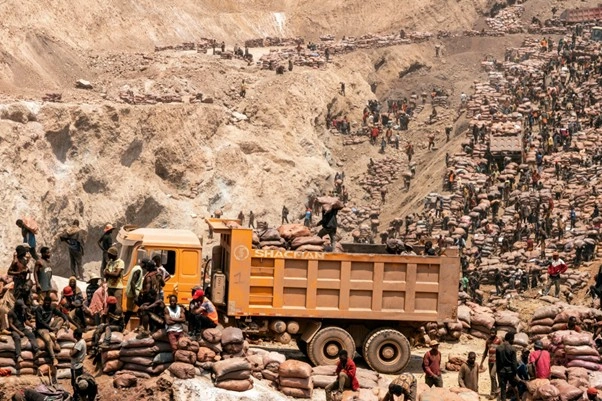
Large-scale mining operations in the Democratic Republic of Congo, a key global supplier of critical minerals. [Al Jazeera]
Over time, the unit is projected to expand to more than 20,000 personnel across all mining regions by 2028, making it one of the largest dedicated resource security forces in Africa.
Driven by Conflict and Illegal Mining
Congo’s mineral-rich eastern regions have long been affected by armed conflict, including a Rwanda-backed rebellion that has disrupted operations and displaced communities.
Illegal mining and smuggling have also cost the government billions in lost revenue while funding armed groups. The new guard is expected to strengthen state control and reduce these activities.
Strategic Importance of Congo’s Minerals
Congo is the world’s largest producer of cobalt and a major supplier of copper, lithium, gold, and coltan—materials essential for electric vehicles, electronics, and renewable energy technologies.
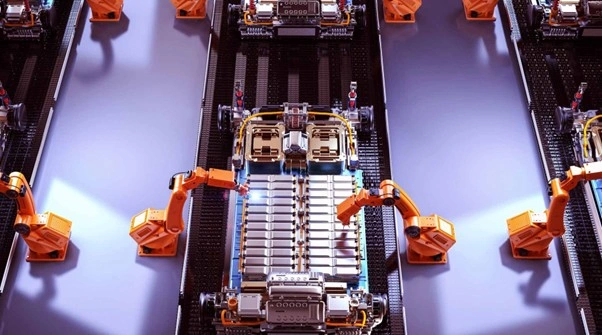
Congo’s minerals are critical for electric vehicles, electronics, and renewable energy technologies. [RMI]
The initiative aligns with broader global efforts to secure alternative supply chains and reduce reliance on China-dominated mineral processing.
US Funding Confusion Emerges
Despite earlier statements suggesting U.S. backing, officials later clarified that Washington is not directly funding the mining guard. The U.S. embassy stated it does not finance security units tasked with guarding mines.
Congo’s mining authorities added that discussions are ongoing and that no single country is expected to provide direct funding for the force.
Final Thoughts
Congo’s $100 million mining guard marks a significant step toward securing one of the world’s most critical mineral hubs. While questions remain over funding structure and implementation, the initiative signals a broader push to stabilise the sector, attract foreign investment, and strengthen control over valuable natural resources.
Also Read: Alliance Nickel Reports Gold Discovery at Historic Australia United Site
FAQs
Q1: What is the purpose of Congo’s mining guard?
A1: To secure mining sites, prevent smuggling, and protect mineral supply chains.
Q2: How much is the programme worth?
A2: The initiative is valued at $100 million.
Q3: How large will the force be?
A3: It is expected to grow to over 20,000 personnel by 2028.
Q4: Is the United States funding the mining guard?
A4: No, U.S. officials clarified they are not directly funding the unit.
Q5: Why is this initiative important globally?
A5: Congo supplies key minerals used in EVs and electronics, making its security critical to global supply chains.
Disclaimer
This article is published by Colitco for informational and editorial purposes only. It does not constitute financial, investment, legal, or political advice. Colitco makes no representations or warranties regarding the accuracy, completeness, or reliability of the information provided. Readers are advised to conduct their own independent research before making any decisions based on this content. All views expressed are for general information and do not necessarily reflect those of Colitco or its affiliates.
Sources
https://www.mining.com/congo-to-roll-out-100m-us-backed-mine-security-force
https://www.theheritagetimes.com/drc-launches-us-backed-100m-paramilitary-unit-to-protect-mines/


