Iran Reasserts Military Control Over the Strait of Hormuz
Iran’s armed forces moved to retighten their grip on the Strait of Hormuz on Saturday, April 18, 2026. A spokesperson for Iran’s Khatam al-Anbiya military command headquarters stated that
“Control over the Strait of Hormuz has returned to its previous state, and this strategic waterway is now under strict management and control of the armed forces.”
The move came just one day after Iran had declared the waterway fully open. The reversal caught shipping companies and global markets off guard. It added fresh uncertainty to an already volatile situation in the Middle East.
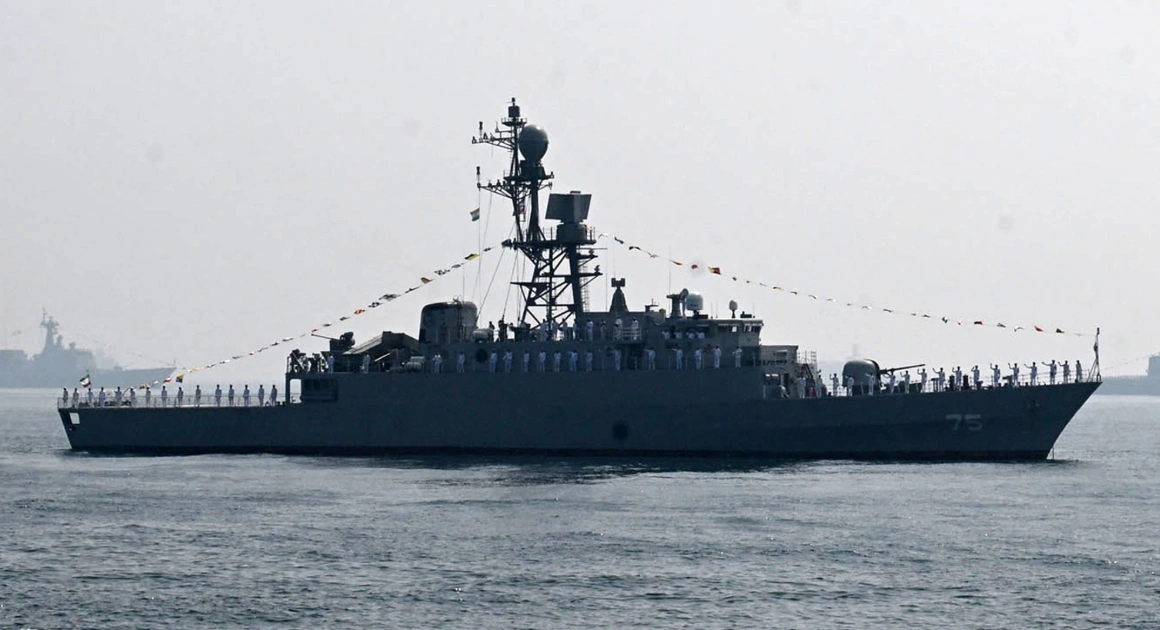
Iranian naval forces patrol the Strait of Hormuz as Tehran reimposes strict control over the strategic waterway. [BBC]
Iranian military officials cited the continued U.S. blockade of Iranian ports as the reason for reimposing restrictions, just one day after declaring the waterway “completely open.”
Trump Rejects Iran’s Pressure Tactics, Says “They Can’t Blackmail Us”
President Trump addressed the situation directly from the Oval Office on Saturday. Speaking to reporters, the president said Iran “wanted to close up the strait again” and that “they can’t blackmail us.”
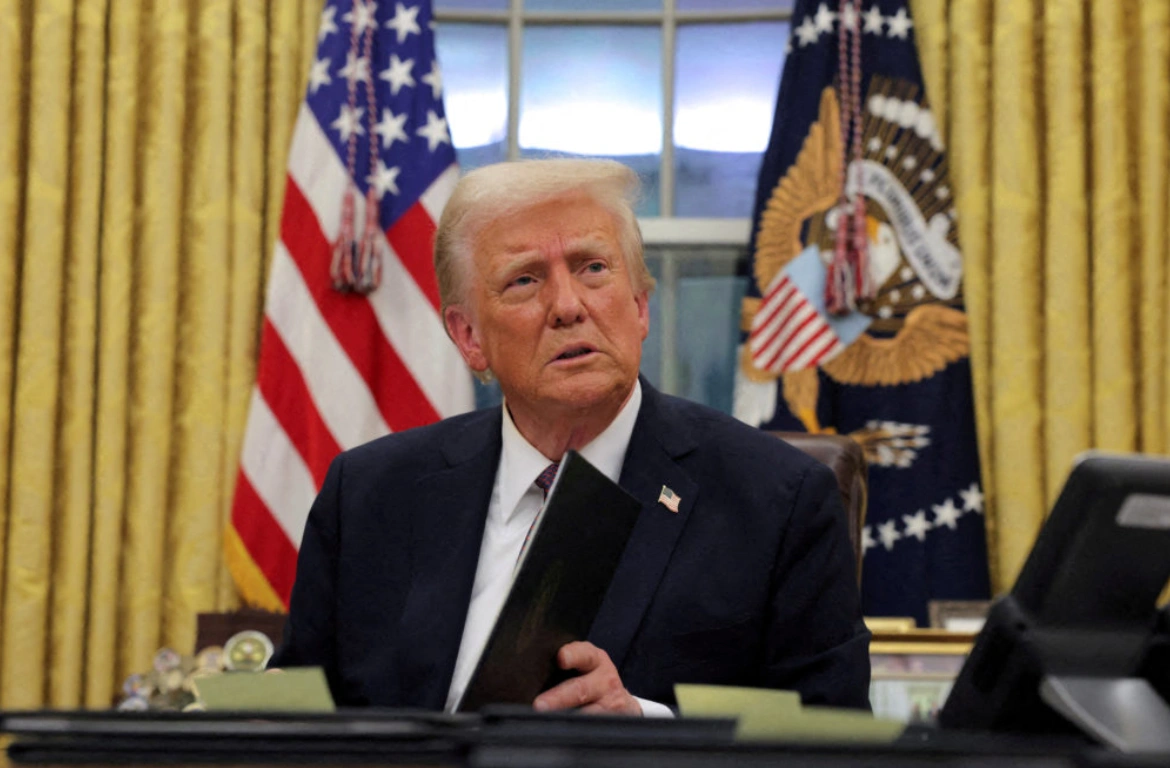
U.S. President Donald Trump responds to Iran’s actions, stating that the United States will not be “blackmailed.” [PBS]
Trump also indicated that diplomatic channels remained active. He told reporters, “It’s going actually along very well, and we’ll see, but we’ll have some information by the end of the day.”
The remarks signal that Washington is pursuing two tracks simultaneously, keeping military pressure in place while keeping negotiations open. Trump has drawn a clear line between dialogue and submission to what he characterized as coercion.
U.S. Naval Blockade of Iranian Ports Continues
The United States imposed a naval blockade on Iranian ports earlier in the week. U.S. Central Command specified that the “blockade will be enforced impartially against vessels of all nations entering or departing Iranian ports and coastal areas, including all Iranian ports on the Arabian Gulf and Gulf of Oman.”
The blockade forms the centerpiece of Washington’s pressure strategy. The U.S. said 23 ships have been turned back since the blockade of Iranian ports began on Monday. Trump has stated the action will remain until both sides reach a peace agreement.
Central Command also clarified that American forces “will not impede freedom of navigation for vessels transiting the Strait of Hormuz to and from non-Iranian ports.” The distinction is significant. It means non-Iranian shipping is not the target of the blockade.
Iranian Gunboats Fire on Tankers Attempting to Cross the Strait
The situation turned more dangerous as vessels attempted to pass through the waterway. Two Iranian gunboats fired at a tanker in the Strait of Hormuz, according to the British military’s United Kingdom Maritime Trade Operations Center. The tanker and crew were reported safe, and authorities began investigating the incident, which occurred 20 nautical miles northeast of Oman.
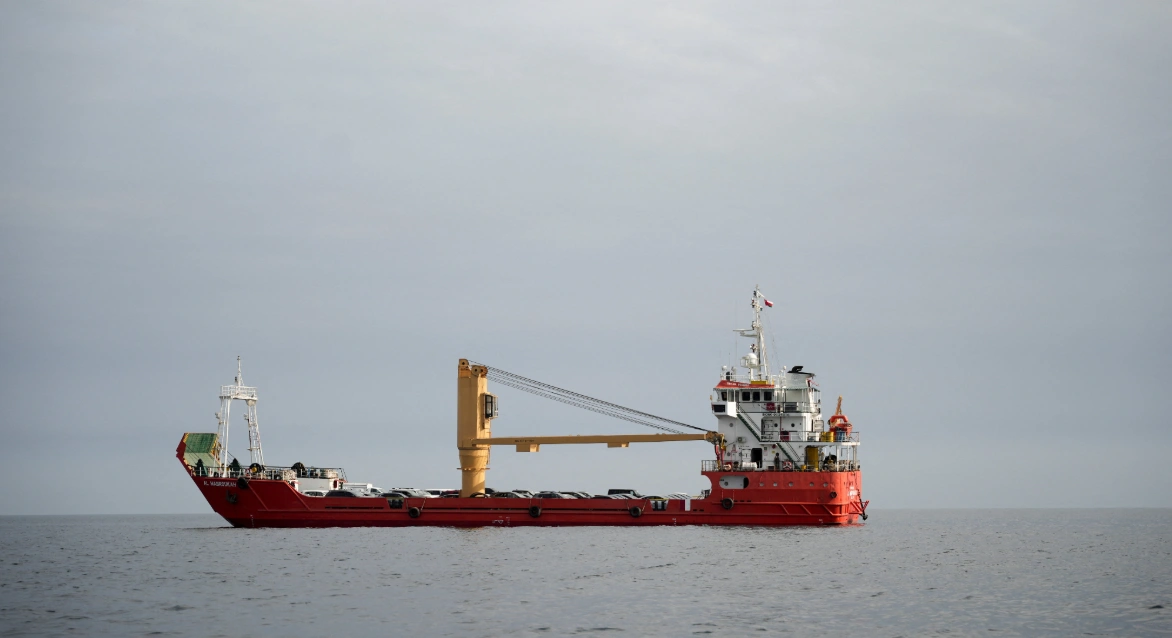
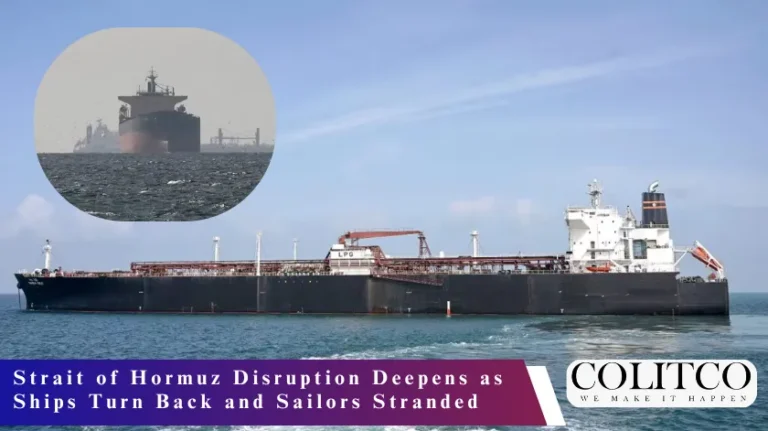
Commercial vessels transit the Strait of Hormuz amid rising security concerns following reported attacks. [Reuters]
The agency noted that the Iranian gunboats provided no radio warning before opening fire. A container ship in the Strait was also hit by an unknown projectile, causing damage to some containers on board, though no fires or environmental impact were reported, with no immediate reports of casualties.
India responded to the attacks diplomatically. India summoned Iran’s ambassador after an Indian-flagged vessel carrying crude oil was attacked while trying to cross the Strait.
Iran Frames Closure as Response to U.S. “Bad Faith”
Iranian officials made clear that the closure was a direct political response to Washington’s actions. Ebrahim Azizi, head of Iran’s National Security Commission, said closing the Strait of Hormuz was a response to “America’s untrustworthiness,” adding that “the dark track record of America since the beginning of the revolution has proven that untrustworthiness is an inseparable part of Washington’s political doctrine.”
Azizi accused Trump of manufacturing the perception of a deal without delivering one. He said Trump was trying to mislead public opinion by creating the “impression of an agreement” through his comments on social media and to reporters.
Azizi also stated: “Iran will not be deceived by hollow rhetoric and has a decisive response prepared at strategic chokepoints for any new act of bad faith.”
Iran’s Supreme Leader Warns of “New Defeats” for Enemies
Iran’s supreme leader weighed in with a sharp statement on Saturday. Mojtaba Khamenei posted on Telegram that Iran’s navy was ready to “make the enemies taste the bitterness of new defeats,” adding that Iran was “confronting the two main armies at the head of the front of disbelief and arrogance, exposing their weakness and humiliation before the eyes of the world.”
The statement targeted both the United States and Israel. It marked one of the most direct public warnings from Iranian leadership since the conflict began. The language reflects the wider ideological dimension Iran frames around the military standoff.
Iran’s Navy Sets Conditions for Reopening the Strait
Iran’s Revolutionary Guard Corps navy made its position explicit on Saturday. The Navy Command stated: “As long as the passage of vessels from Iran and to Iran is threatened, the status of the Strait of Hormuz will remain as it was before,” adding that “any breach of commitments by America will receive an appropriate response.”
Iran’s Vice President also confirmed the country’s firm stance. Mohammad Reza Aref stated that “Iran will pursue its right to manage the Strait of Hormuz either at the negotiating table or in the field.”
The conditions Iran outlined tie the strait’s status directly to the U.S. lifting its blockade. That creates a direct standoff with Washington, which has said the blockade stays until a peace deal is reached.
Oil Refineries Hit, Satellite Imagery Reveals Extensive Damage
The economic damage to Iran’s energy infrastructure continues to mount. Satellite imagery showed active fires raging at two of Iran’s oil refineries, days after multiple crude oil storage tanks were damaged at each site.
At the Lavan oil refinery, crude oil seeped from multiple tanks into the Persian Gulf after Iranian oil ministry reports confirmed they were hit in an “enemy” airstrike on April 8. The damage caused a massive oil spill visible from space in satellite imagery taken on April 10.
Iran’s foreign ministry spokesperson Esmail Baghaei said on Saturday that compensation for war damages is one of Iran’s top priorities in any negotiations with the United States. The damage to refinery infrastructure adds further weight to Tehran’s demands.
Global Shipping and Energy Markets Face Renewed Disruption Risk
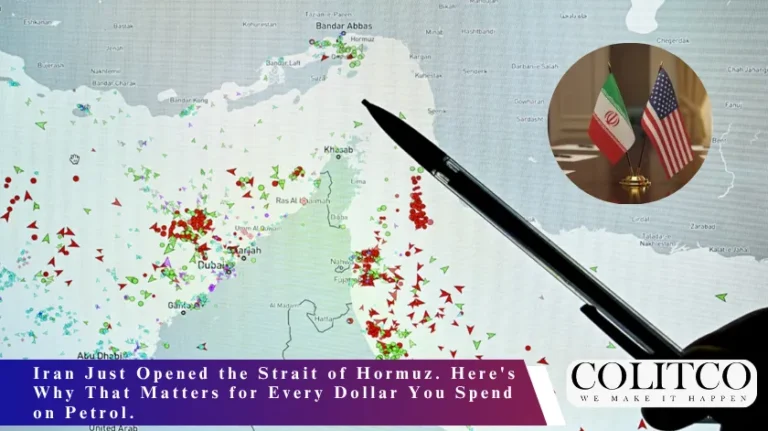
The Strait of Hormuz carries roughly 20 percent of the world’s oil trade. Any prolonged closure raises serious concerns for global energy supply chains. Shipping companies have already pulled back from the waterway amid the escalating military activity.
Rising tensions in the Strait of Hormuz are fueling concerns over global oil supply and price volatility. [Petrosync]
Some merchant vessels received radio messages from Iran’s navy saying no ships were allowed through the waterway, reversing earlier signs that traffic might resume. The sudden shift from open to closed disrupts commercial planning and raises freight and insurance costs.
The situation remains fluid. Diplomatic talks between Washington and Tehran continue, but the gap between both sides’ stated conditions remains wide. The coming days will test whether negotiation or further military pressure shapes the next chapter of this standoff.
Also Read: Australia and Japan Sign Historic $7 Billion Warship Deal
FAQS
Q1: Why is the Strait of Hormuz strategically important?
A1: The Strait of Hormuz is a vital global shipping route, carrying around 20% of the world’s oil supply. Disruptions in the strait can significantly impact global energy markets and trade flows.
Q2: Why did Iran tighten control over the Strait of Hormuz?
A2: Iran reimposed strict control in response to the U.S. naval blockade of its ports, arguing that its shipping security was being threatened and accusing Washington of acting in bad faith.
Q3: What is the United States’ position on the situation?
A3: The United States has maintained a naval blockade on Iranian ports while allowing free passage for non-Iranian vessels in the strait, and continues to pursue diplomatic negotiations alongside military pressure.
Q4: Have there been any recent attacks on vessels in the strait?
A4: Yes, reports indicate that Iranian gunboats fired at a tanker, and another vessel was hit by a projectile, raising concerns over maritime safety in the region.
Q5: How could tensions in the Strait of Hormuz affect global oil prices?
A5: Increased tensions or prolonged disruption in the strait could reduce oil supply, leading to higher global oil prices and increased volatility in energy markets.
Disclaimer:
This article is published by Colitco for informational and editorial purposes only. It does not constitute financial, investment, or geopolitical advice. While every effort has been made to ensure accuracy, developments in international conflicts and energy markets can change rapidly. Readers are advised to verify information independently and seek professional guidance before making any decisions based on this content.
Sources