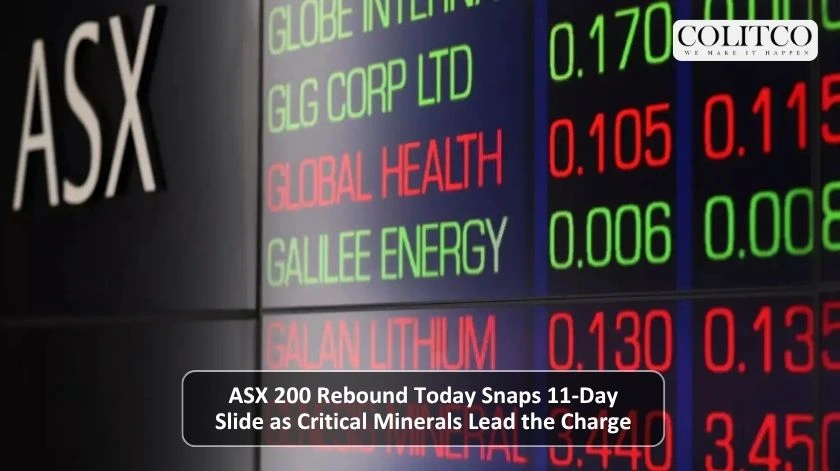
The S&P/ASX 200 rose 0.68% to 8,724.6 points on 1 May 2026, snapping an 11-day losing streak that had weighed on Australian equities through April. Critical minerals and clean energy names drove the ASX 200 rebound today, with titanium alloys producer IperionX (ASX: IPX) and uranium-focused NexGen Energy (ASX: NXG) emerging as the session’s standout performers.
Figure 1: Australian Securities Exchange (ASX) signage as markets rebound after extended losses [Courtesy: Business Times]
The ASX critical minerals rally came on the back of weeks of sustained pressure. Analysts had flagged the period as a “soft week” of underperforming shares, shaped by a mix of domestic headwinds and global uncertainty tied to the ongoing conflict in the Middle East.
IperionX Share Price Surge Leads the ASX Recovery
IperionX (ASX: IPX) was the most prominent mover in the ASX critical minerals rally, with its share price surging 13.17% to A$4.64 per share in the first hour of trade. The move reflects renewed investor appetite for domestic critical minerals producers as global supply chain concerns remain front of mind.
NexGen Energy (ASX: NXG) followed close behind, climbing 6.59% to A$17.39 per share. The clean energy Company’s gains added further weight to the day’s theme, with markets rewarding exposure to materials central to the energy transition.
Smaller Miners Also Gained Ground
Beyond the headline movers, gold explorer Gorilla Gold Mines (ASX: GG8) rose 10.45% to A$0.37 per share, while Antilles Gold (ASX: AAU) jumped 8.33% to A$0.013 per share. Both Companies contributed to the broader lift across the resources and critical minerals segment.
Eleven Days of Losses Preceded the ASX 200 Rebound Today
The ASX 200 rebound today ended a sequence that had seen the index shed ground across 11 consecutive trading sessions. The selling began with a 0.29% decline between 20 and 21 Apr 2026, followed by falls of 0.44% to 0.45% across 22 and 23 Apr.
A further 0.29% drop on 24 Apr gave way to a sharper 0.62% slump on 27 Apr, dragging the index to 8,732.1 points.

Figure 2: Market rebound illustration reflecting renewed investor confidence and upward momentum [Courtesy: Magnific]
Losses continued through the final days of April. The index fell 0.74% to 8,701.1 on 28 Apr, dropped another 0.47% to 8,670 on 29 Apr, and declined a further 0.4% to 8,652.1 on 30 Apr.
Despite the sustained selling, the ASX markets website noted that the index had “lost 0.7% for the last five days but is virtually unchanged year to date.”
Global and Domestic Forces Behind the Selling Pressure
Market commentary attributed the weakness to two distinct forces. Capital.com senior market analyst Kyle Rodda described one side as “quite domestic in nature,” while the other reflected “markets discounting potential growth risks because of the war in the Middle East,” as reported by the Australian Associated Press.
“Overall, we are underperforming and certainly not duplicating the record highs that we have seen clocked up on Wall Street,” Rodda added, according to the newswire agency.
The ASX had previously reported a third consecutive year of “positive returns” during 2025, with analysts noting that longer-dated option trades identified in January appeared to be positioned for continued upward momentum into 2026.
Industry Outlook
The ASX critical minerals rally reinforces Australia’s strategic positioning as a global supplier of materials critical to the clean energy and defence technology sectors.
Global demand for titanium alloys, uranium, and rare earth elements continues to grow as governments accelerate decarbonisation and reduce supply chain dependence on single-source producers.
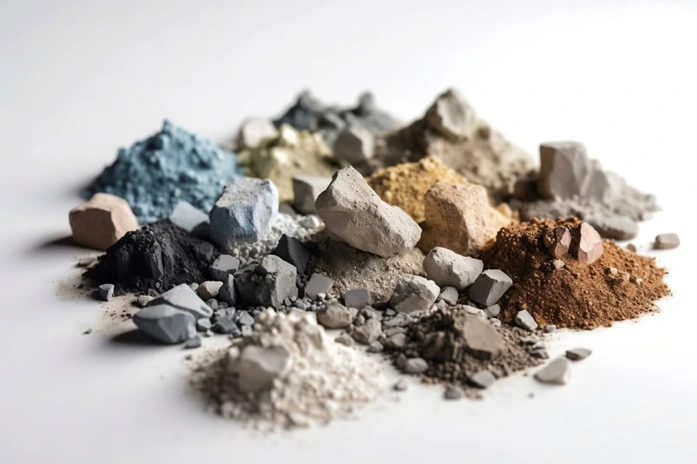
Figure 3: Critical minerals used in energy transition and advanced manufacturing applications [Courtesy: Current Affairs]
Australia’s resource base and regulatory environment make it a preferred jurisdiction for investors seeking exposure to this structural theme.
Future Direction and Impact on ASX Investors
The ASX 200 rebound today offers a degree of relief after one of the index’s most extended losing runs in recent months.
For investors, the IperionX share price surge and the broader ASX critical minerals rally signal that sector rotation back into resources is underway, even as broader macro risks persist.
The Middle East conflict remains a live variable for Australian equities, given its influence on energy prices, inflation expectations, and global growth sentiment.
Investors in the resources and critical minerals space will be watching whether today’s recovery holds or whether global uncertainty continues to weigh on risk appetite in the sessions ahead.
Frequently Asked Questions
Q1. Why did the ASX 200 rise on 1 May 2026?
Ans. The ASX 200 rebound today was driven by strong gains in critical minerals and clean energy stocks, with IperionX and NexGen Energy leading the session after 11 consecutive days of declines.
Q2. How much did the IperionX share price surge on the day?
Ans. The IperionX share price surged 13.17% to A$4.64 per share in the first hour of trade on 1 May 2026.
Q3. How long was the ASX losing streak before today’s recovery?
Ans. The S&P/ASX 200 had declined for 11 consecutive trading sessions before the ASX 200 rebounded today on 1 May 2026.
Q4. What drove the ASX critical minerals rally today?
Ans. The ASX critical minerals rally was led by IperionX (ASX: IPX), which rose 13.17%, supported by gains in NexGen Energy, Gorilla Gold Mines, and Antilles Gold, reflecting renewed investor appetite for resource and clean energy stocks.
Disclaimer
This article is intended for informational purposes only and does not constitute financial or investment advice. All content is based on publicly available market information online. Share price data reflects intraday figures at the time of reporting. Investing in securities involves risk. Colitco does not hold any position in the companies mentioned.
Sources
https://www.asx.com.au/markets
https://mining.com.au/critical-minerals-end-asx-10-day-loss/