

£144 Million in Unclaimed Refunds Exposes Deep Cracks in Britain’s Tax Repayment Infrastructure
More than 170,000 taxpayers in the United Kingdom have missed out on tax refunds worth an average of £800 each, as new figures expose a persistent failure within HM Revenue and Customs’ (HMRC) cheque-based repayment system. HMRC issued 1,746,720 cheques over the latest reporting year, with around one in ten remaining uncashed, leaving approximately £144 million in repayments sitting idle despite being formally issued.
The figures confirm that 178,180 cheques went uncashed last year, leaving £144 million unclaimed — with the average loss working out at around £800 per taxpayer. HMRC has been working to reduce the number of cheques it issues in recent years, with the figure dropping from 4.1 million in the 2023–2024 tax year, yet the scale of unclaimed funds demonstrates the system’s ongoing inadequacy.
Your Money at Risk
Paper cheques can be lost or stolen in the post, creating added complications for both taxpayers and HMRC, while millions of Britons continue to overpay income tax each year. Many taxpayers do not realise they have overpaid tax. Others are unsure whether a letter is genuine and leave it unopened. In some situations, the cheque arrives but is forgotten in a drawer until it expires.
HMRC cheques typically expire after six months, though replacements can still be requested — however, verifying repayments becomes more difficult after nine years, increasing the risk that taxpayers may never recover their money. The consequences for ordinary workers and pensioners are real: money that belongs to them remains locked within a bureaucratic process that struggles to deliver at the final step.
 Figure 1: £144 Million in Unclaimed Refunds
The Players
The issue draws in HMRC, millions of PAYE employees, pensioners, and industry tax professionals who have raised alarms about the pace of digital reform. Robert Salter, a partner at tax and accountancy firm Blick Rothenberg, said: “It is certainly a bit problematic that HMRC continues to use cheques to settle tax refunds in so many cases. Until people do consistently open their HMRC correspondence, there is always going to be a problem and delays with the tax refund process.”
Shaun Moore, tax and financial planning expert at wealth manager Quilter, said: “Overpayments are common, often caused by people changing jobs, being put on the wrong tax code, or having multiple sources of income during the year.” Moore further stated: “Where a repayment is required, it is encouraging that HMRC is issuing fewer cheques, as paper payments carry a higher risk of delay or going unclaimed. While there will always be limited cases where a cheque is unavoidable, a faster shift towards digital processes would reduce friction and help ensure overpaid tax reaches people more reliably and promptly.”
An HMRC spokesperson said: “The vast majority of pay as you earn (PAYE) repayments are issued via bank transfer, which is now the default option, and the quickest and most secure way for customers to receive their money. Customers can still request to receive their repayment via cheque and it’s their responsibility to cash it if they choose this method.”
A Nationwide Failure
The crisis unfolds across the United Kingdom, affecting taxpayers in England, Scotland, Wales, and Northern Ireland. A large number of missed repayments happen because HMRC sends letters and cheques to old addresses — a common example is someone who moves home after changing jobs, only to discover months later that a tax refund cheque was posted to their previous address and expired before they could cash it. The breakdown does not occur at a single point; it cascades across the entire chain of postal communication, address verification, and physical banking.
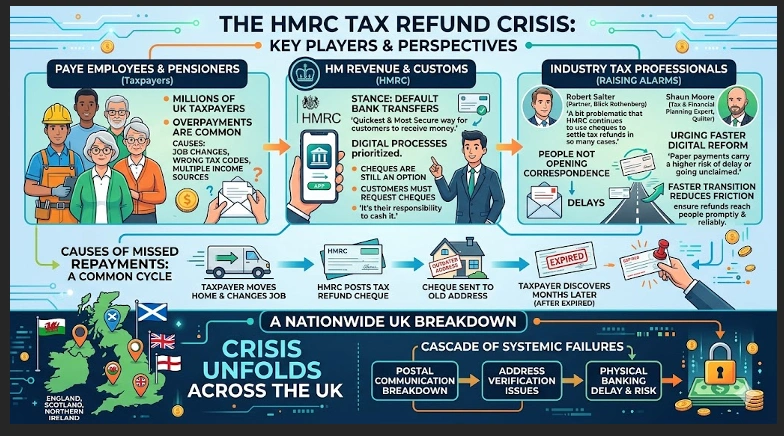 Figure 2: Key players involved in tax refund crisis
Years in the Making
Figures published on 12 April 2026, obtained by The i Paper via a Freedom of Information request, confirm the scale of the problem for the latest reporting year. In the 2023–24 tax year, around 4.1 million cheques were issued, which dropped sharply to 1.7 million in 2024. Despite this improvement, large numbers of taxpayers still fail to claim refunds due to outdated processes. HMRC has been attempting to stem the number of cheques it issues for several years, in a bid to reduce overall costs and accelerate the payment process for taxpayers, ultimately helping streamline operations.
Also Read: Australia’s 30-Day Fuel Supply Is Holding, But the Cracks Are Showing
How It All Breaks Down
The mechanics of the failure trace back to a specific sequence within the tax repayment process:
- HMRC sends letters out every year to people who have overpaid tax, instructing them how to make a request. Until 2024, recipients had 21 days to respond, or else they were issued a cheque to the address on file.
- Tax overpayments arise from various circumstances, including switching employers mid-year, holding multiple income streams, or being assigned an incorrect tax code.
- Most taxpayers receive a P800 letter from HMRC around June, following the April tax year end. The letter informs individuals they are owed money and provides instructions to claim via bank transfer (BACS) through the Government Gateway account.
- If a taxpayer fails to respond within the period given — usually around 21 days — HMRC may stop waiting for a digital claim and send a cheque instead. That is one of the main reasons so many repayments are still going unclaimed in 2026.
HMRC has been reducing the number of cheques it issues for several years, but the latest total shows paper remains embedded in the system. That matters because the issue is not simply whether HMRC can calculate the rebate — it is whether the payment reaches the taxpayer.
HMRC says roughly 20 per cent of taxpayers are yet to be moved to the new system, and it aims to complete the switch by the start of the next tax year in April 2027. Until then, the old and new systems are operating side by side, and that creates a built-in gap. The numbers suggest that even a small failure rate becomes expensive when scaled across millions of tax accounts.
Claim What’s Yours
Taxpayers who believe they are owed a refund have several options available to them:
- HMRC says the easiest way to claim a repayment is through the HMRC app. If the app shows a repayment is due, a green ‘Claim’ button appears, and the taxpayer can request a direct bank transfer via BACS.
- If a taxpayer misses out on cashing an HMRC cheque, there are steps they can take to recover the money. A replacement cheque is available on request with no strict deadline, though verifying repayments becomes more difficult after nine years, so it is advisable to act well before this point.
- If a taxpayer claims an online repayment, they should receive it within five working days. If they request a cheque, it should arrive within six weeks.
The scale of unclaimed funds — £144 million in a single year — points to a system where a structural delay at the final stage consistently costs taxpayers money that is rightfully theirs. HMRC still sending cheques is more than an administrative quirk: it is now a measurable reason tens of thousands of taxpayers are missing money that belongs to them. The department’s transition to a fully digital repayment model remains the clearest path forward, but until April 2027, a significant share of the population remains exposed to the same risk.
Disclaimer: This article is for informational and journalistic purposes only and should not be construed as financial, legal, or tax advice. Readers should consult with a qualified tax professional or HMRC directly for advice concerning their individual tax situation, refunds, or payment methods. The information, including figures and statements from third parties, is based on data available at the time of publication, and its accuracy is not guaranteed. Reliance on the information provided is at your own risk.


