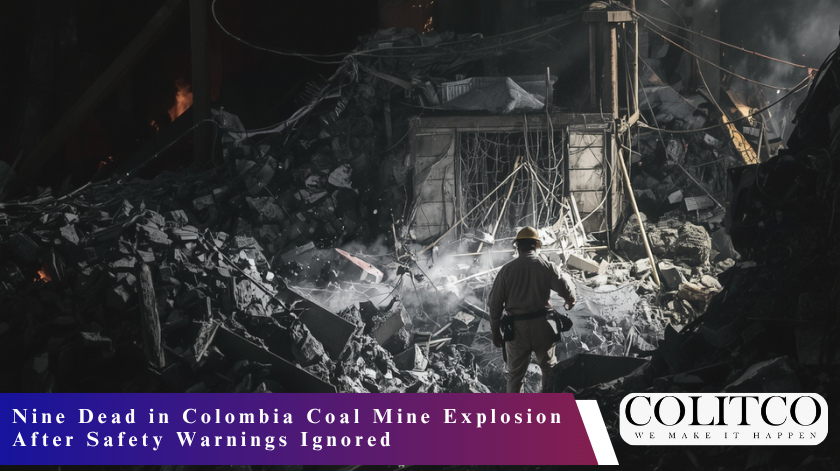
A deadly explosion tore through a coal mine in Sutatausa, Colombia, on May 4, 2026. Nine miners died in the blast. Six others survived and received medical treatment at Ubaté Regional Hospital.
The mine, La Ciscuda, sits 72 kilometres north of Bogota. It operates at least 600 metres below sea level. Carbonera Los Pinos, an underground coal exploration company, runs the site.
Colombia’s National Mining Agency (ANM) confirmed the death toll. Rescue teams coordinated by the agency reached the site swiftly. Their efforts saved six of the 15 workers caught in the explosion.
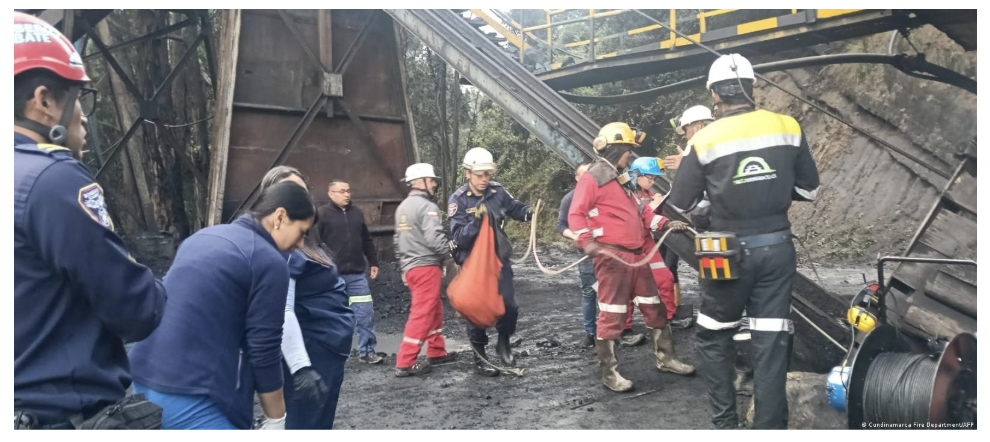 Emergency responders gather at the entrance of the La Ciscuda coal mine in Sutatausa after a deadly explosion. [DW]
Mining Agency Had Flagged Methane Risk Weeks Before Disaster
The ANM inspected La Ciscuda on April 9, 2026, less than a month before the explosion. Inspectors found dangerous gas levels inside the mine. They formally recommended action to prevent a catastrophe.
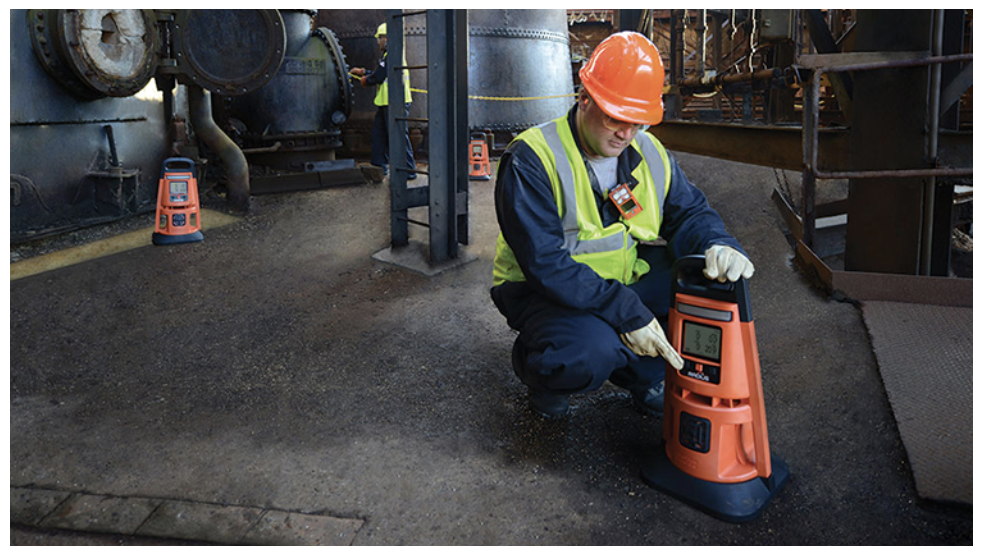 Safety inspectors had previously identified dangerous methane levels inside the mine. [Total Safety]
The agency told the company to seal off unused coal extraction areas. It warned that methane and other gases had built up in those sections. Inspectors also advised adding collapse, explosion, and coal dust risks to the mine’s official risk matrix.
Despite these warnings, the ANM did not confirm whether the company acted on the recommendations. That gap between warning and action now sits at the centre of the investigation.
What Caused the Explosion at La Ciscuda Mine
Authorities point to gas accumulation as the primary cause. Cundinamarca Governor Jorge Emilio Rey stated the blast was “apparently due to a buildup of gases.” The ANM echoed this assessment in its official statement.
 Colombian officials, including regional authorities, address the media following the fatal coal mine explosion in Sutatausa, expressing condolences and confirming rescue efforts. [Caracol]
Coal mines accumulate methane naturally as coal breaks down. Without proper ventilation, gas concentrations can reach explosive levels. A single spark from equipment, friction, or electrical failure can trigger a fatal blast.
The ANM noted that coal dust also poses a significant risk at such mines. Concentrations of fine particles can fuel or worsen an underground explosion. The April inspection had specifically raised this concern.
Governor Responds as Families Mourn
Governor Rey publicly expressed grief over the incident. “We deeply regret this tragedy and send a message of condolence, solidarity, and support to their families,” he said. He shared images of ambulances gathered at the mine entrance shortly after the explosion.
Fueron encontrados sin vida los 9 mineros que permanecían atrapados en la mina La Trinidad, en #Sutatausa. Lamentamos profundamente esta tragedia y enviamos un mensaje de condolencia, solidaridad y acompañamiento a sus familias.
Las otras 6 personas que hacían parte del turno…
— Jorge Emilio Rey Ángel (@JorgeEmilioRey) May 5, 2026
Authorities initially reported that 12 workers were trapped. Three managed to escape on their own. Rescue teams recovered the remaining victims over the course of the operation.
Response teams also reviewed the mine’s continuous gas-monitoring system. Officials needed to assess conditions before allowing rescue personnel to enter the Ciscuda seam safely.
ANM Outlines Safety Failures at Colombian Coal Mines
The ANM released a formal statement following the disaster. It stressed that coal deposits regularly accumulate gases like methane. It also emphasised that coal dust creates serious risks without proper controls.
“As the ANM has warned during its inspection visits, coal deposits can present accumulations of gases such as methane, as well as concentrations of coal dust,” the agency stated. It called for adequate ventilation systems and continuous monitoring at all mining operations.
The agency also reaffirmed its commitment to nationwide monitoring. It said its goal remains protecting workers and ensuring safe mining practices across Colombia.
Colombia’s History of Deadly Underground Mine Accidents
Mining accidents in central Colombia occur with troubling regularity. Dozens of small coal and emerald operations cluster in the region. Many lack the safety infrastructure required to protect workers underground.
In 2023, 21 people died in a methane explosion at another mine in Sutatausa. That same year, 11 miners died in a separate coal mine blast. In 2020, another 11 workers perished in Cucunubá, also in Cundinamarca province.
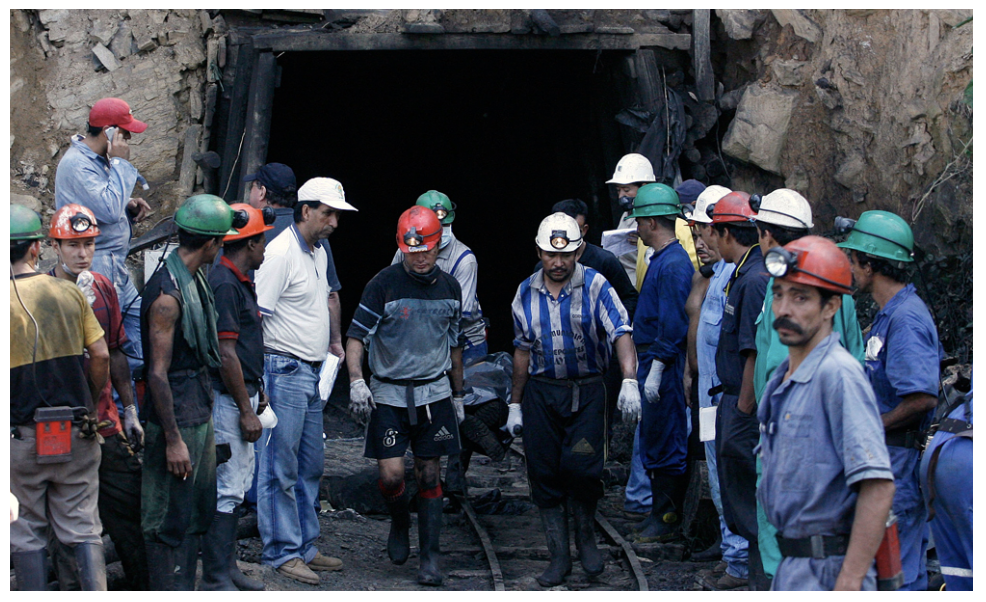 Colombia has faced repeated fatal mining accidents in recent years. [NBC News]
In July 2025, a mechanical failure trapped 18 workers in an unlicensed gold mine for 18 hours. Rescue teams eventually freed all 18 alive. Unlicensed operations remain a persistent problem across the region.
Safety Recommendations and the Question of Accountability
The April 9 inspection report listed clear, specific actions for Carbonera Los Pinos to take. It recommended improving procedures to manage coal dust, installing barriers at transfer points, and sealing abandoned tunnels. Each item addressed a known and documented risk.
The ANM, however, did not confirm whether the company implemented any of these measures before May 4. That raises serious questions about enforcement. Issuing recommendations without verifying compliance leaves workers exposed to preventable danger.
Legal mines in Colombia operate under national oversight, but the gap between inspection and enforcement remains a structural weakness. The Sutatausa disaster illustrates the cost of that gap in human lives.
Sutatausa Community Faces Ongoing Risk from Coal Industry
Sutatausa has served as a coal mining hub for decades. Many residents depend on the industry for income. The community now faces a second major mining disaster within three years.
Both legal and illegal mines operate in the surrounding area. Illegal mines typically lack basic safety systems, including ventilation and gas monitoring. Their presence complicates rescue and oversight efforts across the region.
The ANM said it continues to run prevention and training campaigns across Colombia’s mining sector. Those programmes aim to improve risk management and operational safety at active sites.
Rescue Teams Recover Victims as Investigation Continues
Rescue personnel worked quickly after the explosion. Their coordinated response, led by the ANM, retrieved survivors and confirmed the death toll. Six miners received hospital care for injuries sustained in the blast.
Officials continued to assess conditions at the mine following the rescue operation. Investigators will examine whether the company followed or disregarded the April safety recommendations.
The ANM expressed solidarity with the families of the nine victims. It stated it regrets the accident and remains committed to preventing future tragedies across Colombia’s mining industry.
Also Read: Sodexo Secures Major Rio Tinto Facilities Contract in Western Australia’s Pilbara Region
FAQS
- What caused the Colombia coal mine explosion in Sutatausa?
Authorities believe the explosion was caused by a dangerous buildup of methane gas inside the La Ciscuda coal mine, likely ignited by a spark or equipment activity underground.
- How many people were affected by the explosion?
Nine miners were killed in the blast, while six others survived and were taken to Ubaté Regional Hospital for medical treatment.
- Were there prior safety warnings before the incident?
Yes. Colombia’s National Mining Agency inspected the mine on April 9, 2026, and flagged high methane levels, recommending urgent safety improvements that may not have been implemented.
- Where is the La Ciscuda mine located?
The mine is located in Sutatausa, in the Cundinamarca region of Colombia, approximately 72 kilometres north of Bogotá.
- What safety risks are common in coal mines like this?
Coal mines often face risks from methane gas buildup, coal dust explosions, poor ventilation, and inadequate monitoring systems if safety protocols are not strictly followed.
- Has this type of mining accident happened before in the region?
Yes. The Cundinamarca region has experienced multiple fatal mining accidents in recent years, including methane explosions and collapses in 2020 and 2023.
- What is being done after the explosion?
Authorities have launched an investigation into safety compliance at the mine, while rescue teams have recovered victims and assessed site conditions for further hazards.
- Who operates the La Ciscuda coal mine?
The mine is operated by Carbonera Los Pinos, an underground coal exploration company in Colombia.
- What role did the National Mining Agency play?
The ANM conducted inspections, issued safety warnings, coordinated rescue operations, and is now investigating whether its recommendations were properly followed.
- Could this disaster have been prevented?
Preliminary findings suggest it may have been preventable if the recommended safety measures, such as improved ventilation and sealing unsafe areas, had been fully implemented.
Disclaimer
This article is based on early reports and official statements regarding the Sutatausa coal mine explosion in Colombia. Details, including casualty figures and causes, may change as investigations continue. The information is for general news purposes only and should not be considered final or conclusive. This content is presented for informational purposes by Colitco.
Sources
https://www.aljazeera.com/news/2026/5/5/nine-workers-killed-in-colombia-coal-mine-explosion
https://mining.com.au/nine-deaths-at-carbonera-los-pinos-mine/
Tags: Colombia coal mine explosion, Sutatausa Last modified: August 3, 2026