China did not fall into a dominant position on rare earths, they invested billions in state-backed investment, subsidies, and long-term planning throughout the supply chain ever since the 1980s, giving them almost total market dominance.
China currently accounts for 69% of world production, 92% of world refining, and 98% of world magnet production, giving them control over electric vehicles, wind turbines, defense systems, semiconductors, and any other product which utilizes the materials.
China’s current restrictions on the export of rare earths will expire in November 2026. However, shipments of critical heavy minerals remain well below normal levels following restrictions rolled out last year.
Analysts at BMI, the Fitch Group research unit, say China’s control over rare earth supply is expected to hold even after recent diplomatic talks between Washington and Beijing produced no binding agreement.
Western Governments Step In With Billions
Governments are no longer limited to words, and capital is moving from policy makers, in part, to a global supply chain risk that is increasingly clear to the West. A $400-million investment in equity by the Pentagon into MP Materials-America’s lone rare earth mine-represented one aspect.
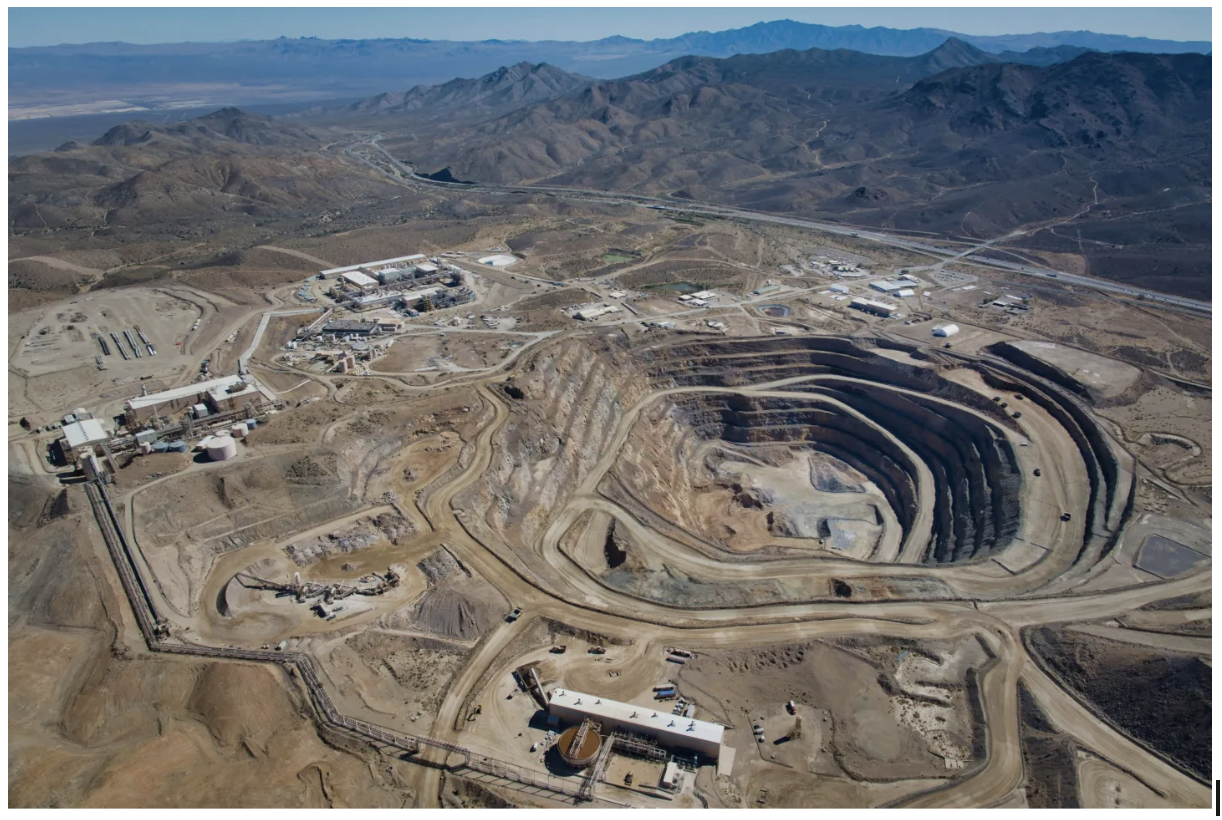 Rare earth processing facility in the United States
Included in that contract were a floor price guarantee on output and a 10-year commitment by the Pentagon to buy its magnets at a price fixed at the time it announced plans for a facility to build those magnets at the site it intends to establish in Texas.
In January 2026, another $1.6 billion was injected into USA Rare Earth, with the US government buying a 10% share. A statement called it “the most substantial U.S. Government investment in domestic critical minerals ever made.”
Those two investments are not an isolated case: The capital invested in rare earths outside of China amounted to $6.3 billion over 2025 alone, with over 60% being government money, said Benchmark Mineral Intelligence, with an additional $2.8 billion poured into the sector over the first three months of 2026.
The increasing role of governments in critical minerals reflects a trend developing across the mining industry where development of critical resources is increasingly linked to the national security and industrial policy agenda. Readers may look at additional developments taking place in the broader mining industry by navigating to Colitco’s mining page.
Processing Is Where the Real Battle Is
The ore mining issue is only one part of the solution, executives in the industry point to the processing and refining stage as the bottleneck for rare earths.
Rare earths undergo three stages before they can get to end users: mining ore, extracting oxides and converting into metals and magnets. The Chinese dominate all stages, but are at their strongest in the refining and magnet-making processes – the two stages most closely tied to the final product.
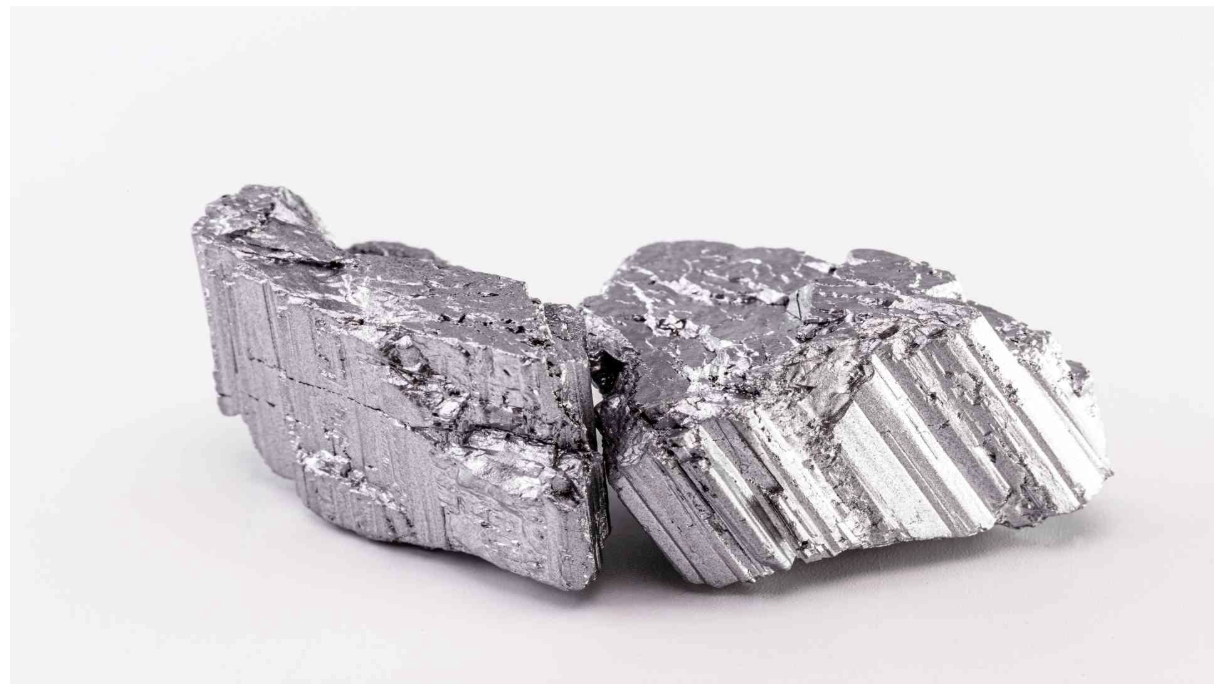 Rare earth magnets
This gap will take some time to close, with countries outside China expected to produce less than a fifth of the global demand for the most important rare earth elements, dysprosium and terbium – by 2035.
All three agencies, McKinsey, CRU Group, and Benchmark Mineral Intelligence found the same result. Those projections have only added urgency to miners’ calls for structural policy tools rather than one-off grants.
Miners Want Long-Term Mechanisms, Not One-Time Checks
Rare earth producers are asking governments for price-floor offtakes, export-credit support, and formal government guarantees.
Pini Althaus, managing partner at Cove Capital, said those tools convert geological assets into predictable cash flow, which lowers the cost of capital and brings in private financing that can eventually replace government funding.
Gracelin Baskaran, director of the CSIS Critical Minerals Security Program, said Washington has already deployed equity stakes, concessional financing, and public procurement, the same toolkit China used to build its rare earth position over decades.
The open question now is whether allied governments will hold that course long enough to shift the market structure before China’s export control window reshapes supply further.
Rare earth producer shares also received additional investor interest with the growth of government assistance toward critical mineral development. Follow Colitco’s ASX news section for any subsequent market news or company developments on the related industry.
Also Read: US Tightens Nvidia China Chip Restrictions, Closing Year-Long Loophole
FAQs
Q1. How much will these rare earth miners need?
A1. Rare earth projects aren’t attractive for private investment, mainly because Chinese state backed miners can produce at lower costs. State pricing supports or equity arrangements, and offtake agreements, can provide certainty for investors and make projects bankable.
Q2. What percentage of the world’s rare earth does China account for?
A2. China produces around 70% of all rare earths, but its output in further down the supply chain is much higher – with over 90% of all refinement and nearly all of magnet production occurring in the country. That chokehold on further refinement, and not just extraction, is what give Beijing leverage.
Q3. When could western countries compete with China’s dominance?
A3. Some analysts see the potential for substantial light rare earth supply diversification towards the end of the decade, but for heavier, critical rare earths such as dysprosium and terbium, the global non Chinese supply will still be significantly lower than anticipated demand until at least 2035.
Disclaimer
The information provided is not trading advice, Colitco and it’s author holds no liability for any investments made based on the information provided on this page. We strongly recommend independent research and/or consultation with a qualified professional before making any investment decisions.
Sources
https://www.mining.com/rare-earth-miners-say-market-needs-govt-support-to-break-chinas-grip/
https://finance.yahoo.com/sectors/energy/articles/trumps-rare-earths-champions-were-113019436.html