Copper prices declined during trade as hostilities escalated between the United States and Iran. The selloff affected commodities worldwide and reduced the value of contracts for delivery. Copper futures fell 1.1 per cent to $6.27 per pound on the Comex platform.
The decline pulled the metal approximately 6 per cent below the peak of $6.60 per pound from June. Concurrently, copper contracts with a duration of three months finished the session at $13,585 per tonne on the London Metal Exchange. The market experienced this decline despite supply complications from South America.
A storm system moved across Chile and endangered operations at extraction sites. This weather event carried a category five classification and disrupted grids for electricity. The combination of conflict in the Middle East and weather in South America created tension inside asset markets.
Pressure materialised after the United States military targeted a vessel near the export centre of Iran. This development drove the yields of bonds higher and stimulated expectations of intervention by the Federal Reserve. Investors shifted funds into alternatives for security, which triggered a decline in stock indices worldwide.
Inventory metrics also influenced the price action across exchanges. Data from warehouses showed that stocks in storage rose significantly since the commencement of the year before. The accumulation of metal inside repositories counteracted some of the anxieties regarding shortages at present.
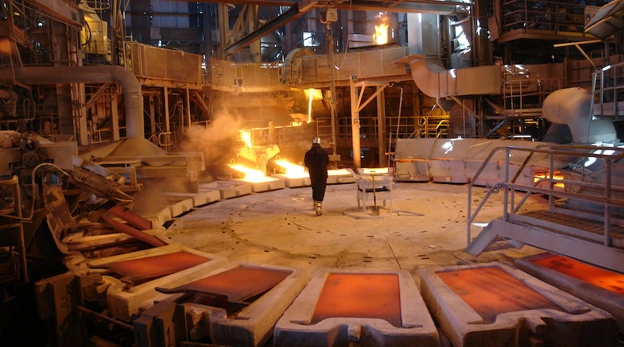
Figure 1: Chuquicamata smelter in Chile. (Source: Codelco | Flickr.)
The market recorded the following shifts during the session:
- Copper for delivery reached $6.27 per pound after a loss of 1.1 per cent.
- Gold dropped 2.1 per cent and settled below $4,000 per ounce.
- Silver prices decreased by almost 4 per cent during the selloff.
- The S&P 500 index lost 0.5 per cent of its value as equities fell.
The Ripple Effect: How Copper Impacts Your World
Fluctuations in copper prices affect the cost of infrastructure and goods across the globe. The metal serves as a core component in systems for energy transition, telecommunications, and vehicle manufacturing. Changes in these values alter inflation forecasts and influence decisions by reserve banks regarding interest rates.
Investors view copper as an indicator of health for the economy of the world. A contraction in demand signals a slowdown in factory production and construction projects. Therefore, households experience the consequences through shifts in employment opportunities and borrowing costs.
The supply constraints from Chile show how climate volatility threatens material availability for technology. Disruptions to logistics networks limit the production of hardware for computers and networks for data. Readers who monitor investments or technology trends must track these dynamics to anticipate cost increases.
Tech firms require volumes of copper to construct data centres for intelligence systems. These facilities consume approximately 47 tonnes of the metal per megawatt of capacity. Consequently, variations in commodity values alter the capital expenditure models for technology corporations.
Consumers also feel the effects when buying vehicles or appliances. The manufacturing sector passes the material expenses directly to the market. Therefore, the price of copper dictates the cost of products for use each day.
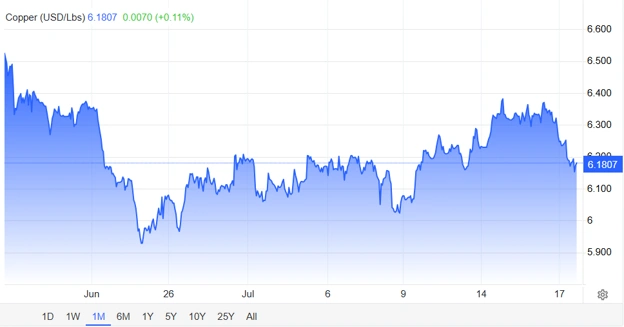
Figure 2: Copper’s price fluctuations over a month [Source: TradingView]
Key Players in the Copper Market
Mining corporations faced value reductions on stock exchanges following the news from the Middle East. Shareholders sold equities in producers as risks escalated. Freeport-McMoRan recorded a drop of 4 per cent during the trading timeframe.
Mining entities suffered declines on exchanges. Ivanhoe Mines lost 4.9 per cent of its equity value, while Antofagasta gave up 4.1 per cent. Southern Copper shed 3.2 per cent, and BHP slipped 2.3 per cent on the day of its results for the year.
Government officials also participated in the management of the situation in Chile. Undersecretary for the Interior Máximo Pavez led communication regarding the grid failures. Representatives from the Mining Ministry organised talks with leaders from the extraction sector to coordinate assistance.
Analysts from Macquarie Strategy evaluated the fundamentals of the market during the turbulence. The team noted that a gap between investor sentiment and supply of the metal exists. They asserted that expansion of tariffs on copper products by the Commerce Department will introduce complications.
Officials from the International Energy Agency also published observations regarding metal availability. The agency highlighted the constraints on inputs like acid compounds needed for extraction. This intervention added clarity to the discussions involving mining companies and state representatives.
The equities sector experienced the following changes:
- Freeport-McMoRan (NYSE: FCX) – suffered a 4 per cent reduction in share value.
- Ivanhoe Mines (TSX: IVN) – lost 4.9 per cent during the selloff.
- Antofagasta (LSE: ANTO) – gave up 4.1 per cent after its output report.
- Southern Copper (NYSE: SCCO) – shed 3.2 per cent of its market capitalisation.
- BHP (ASX: BHP) – slipped 2.3 per cent on the exchange.
- The Mining Ministry of Chile – convened discussions with industry representatives.
Global Market Shifts: A Map of Disruption
The market movements originated across several venues globally. In New York, trading occurred on the Comex platform where evening volumes drove the price downward. In the United Kingdom, the London Metal Exchange handled the transactions for the contracts.
Disruptions to infrastructure occurred within the borders of Chile. The weather system struck the south of the country before moving toward the copper belt in the centre of the nation. Chile supplies approximately 50 per cent of copper exports across the globe, which links its geography to markets in Asia, Europe, and North America.
Friction intensified in the Middle East near the shipping lanes of Iran. Forces executed strikes near the export terminal of the nation. This location controls access to the Strait of Hormuz, a passage that handles a percentage of energy transport worldwide.
Processing hubs in China also form a link in this chain. Smelters in Asia receive sulfide copper from South America and generate acid as a by-product. The closure of shipping lanes prevents the return of this substance to the Americas, creating an impact across continents.
Extraction zones inside Chile bore the brunt of the weather system. The storm damaged infrastructure in the districts in the south before tracking toward the production hubs. These locations house the operations of companies that generate half of the output of the country.
Also Read: How a Texas Deal Saved a Critical North American Supply Chain
Timeline of Recent Volatility
The events unfolded during the middle of July in the year 2026. Pressures hit the markets during the session on Thursday afternoon. The drop in copper values extended into trade on Thursday evening around nine o’clock in New York.
The storm began its advance across Chile earlier in the week before gaining intensity on Thursday. The government had convened conversations with industry leaders before the arrival of the rains. These timelines coincided with the release of production updates from corporations like Antofagasta and BHP.
Chile Evacuates Coastal Communities as Massive Waves Flood Homes | APT
The escalation in the Middle East occurred concurrently when the United States targeted a tanker. This action reversed the progress toward peace from June and renewed volatility. Participants adjusted their portfolios instantly as the news reached screens.
The price compression at present marks a departure from the sequence observed earlier in June. During that month, the metal achieved a record milestone above $6.60 per pound. The transition from peaks to the valuation at present occurred within a span of four weeks.
Firms plan to re-evaluate their production schedules during the quarters at the end of 2026. The Commerce Department set a timeline that extends to the end of the budget year for tariff evaluations. Traders will monitor these dates closely to manage risk profiles before the implementation of changes.
Navigating Future Challenges
The price slide happened because the strike on the vessel drove the value of the dollar upward. An increase in the dollar value raises the acquisition cost of commodities for buyers outside the United States. Consequently, fund managers liquidated positions in copper to secure capital for energy trading.
The situation will play out through two forces in the months ahead. The closure of the Strait of Hormuz limits the supply of acid derived from sulphur, a substance required for copper processing. Chile imports a percentage of this chemical from Asia, so supply blockades will reduce output.
Concurrently, the storm in Chile threatens the operation of extraction machinery due to power cuts. Undersecretary Máximo Pavez described the outlook during an announcement. He stated: “We are going to have power outages. We are doing everything possible so that authority coordination means a swift restoration of service, but with the wind we have, that service will be affected”.
The reduction in output from Chile provides support underneath the copper price floor. Antofagasta already reported a production decline of 9.5 per cent to 285,000 tonnes for the months from January to June. BHP also projected a decline for its production volume in the year after.
Economists expect a balance between destruction of demand and disruption of supply. The government of Chile revised its projection for growth in the economy down to 1.8 per cent. However, the ministry increased the price estimate for copper to $5.90 per pound from $5.46.
The interaction between logistics networks and weather patterns will govern price stability. If the authorities restore the power grids in Chile rapidly, extraction activities will resume pace. However, an extension of the closure of shipping channels will intensify the deficit of inputs for processing.
Factors in macroeconomics such as interest rate decisions will also steer the direction of the market. Investors await speeches from leaders of reserve banks to assess the path of policy on money. The interplay of these forces ensures that copper will remain a focus of volatility for the year.
The market faces these elements moving forward:
- Disruptions to infrastructure from the storm will limit transport.
- Scarcity of acid compounds will slow down the processing of oxide ore.
- Decisions from the Federal Reserve will alter the value of the dollar.
- Port activities in Chile will require monitoring as weather conditions shift.
Sources
- https://www.mining.com/monster-storm-bears-down-on-chiles-copper-mines-as-iran-flare-up-rattles-metals/
- https://tradingeconomics.com/commodity/copper
Disclaimer: The information provided in this document is for informational purposes only and does not constitute financial, investment, or legal advice. Readers are advised to conduct their own research or consult with a professional advisor before making any financial decisions.

Luke Carlino is a seasoned Copywriter, Content Strategist, and Social Media Manager specialising in Mining, Finance, and Business journalism. With more than a decade of industry experience, he brings rigorous editorial standards and commercial acuity to every project.