
The Canadian resource company Sherritt International Corporation entered a preliminary agreement with Gillon Capital LLC to sell a majority stake in its business. This strategic decision reversed an earlier plan to dissolve Sherritt’s long-standing joint venture in Cuba. The company took this action following expanded United States sanctions that threatened its global operations.
Gillon Capital, a family office representing Texas investor Ray Washburne, will acquire a 55 per cent stake in Sherritt under the terms of the warrant-based deal. This commercial maneuver allows Sherritt to retain its business structure while managing regulatory pressure from Washington. The transaction followed a brief suspension of Sherritt’s joint venture activities in Cuba.
Earlier in May 2026, Sherritt initially announced a complete shutdown of its joint venture operations due to an American executive order. The United States administration issued the order on May 1, 2026, targeting Cuba’s metals and mining sectors. The sudden legal shift forced Sherritt to seek emergency measures to protect its refinery in Alberta, Canada.
The sudden pivot to Gillon Capital represents a strategic effort to preserve the integrity of the company’s mining assets. Sherritt initially believed that the U.S. sanctions would make its ongoing operations in Cuba completely unfeasible. The new corporate structure introduces an American investor to shield the company from regulatory penalties.

Figure 1: Ministry of the Interior building in Havana [Source: Jeff Whyte]
Why This Matters
This industrial disruption highlights the structural fragility of North America’s critical mineral supply chain. The Alberta refinery operates as the only major cobalt processing facility on the continent. The loss of feedstock material from Cuba directly impacts manufacturers of electric vehicle batteries and high-performance alloys.
Western governments spend billions of dollars to build processing facilities to reduce dependence on foreign rivals. However, this case demonstrates that geopolitical policies can disable domestic plants just as easily as foreign blockades. Mineral security requires reliable feedstock streams, not simply modern processing equipment.
Cobalt remains a core component in the cathode chemistry of lithium-ion batteries. Manufacturers require this metal to ensure battery stability, energy density, and safety during operations. Supply shortages could delay the transition to clean energy technologies across global markets.
Readers who follow the global automotive and electronics sectors must closely monitor these supply chain vulnerabilities. The geopolitical conflict over Cuba directly impacts the manufacturing of batteries and alloys in allied nations. The following points illustrate the scale of North America’s critical mineral challenges:
- The Fort Saskatchewan refinery relies entirely on Cuban mixed sulphide precipitate feedstock.
- The refinery produces approximately 3,800 tonnes of cobalt and 35,000 tonnes of nickel annually.
- The Democratic Republic of Congo and Indonesia control nearly 90 per cent of global cobalt mine supply.
- North America has only one significant cobalt refinery, which exposes the continent to regulatory supply shocks.
Any supply bottleneck at this single refinery instantly creates a deficit for Western manufacturing hubs. Consumers ultimately feel the impact through higher prices for electric vehicles, smartphones, and laptops. Consequently, the geopolitical struggle over Cuba’s mineral resources directly shapes the cost of everyday consumer technology.
The Players Involved
Several corporate and political entities play central roles in this evolving supply chain conflict. Toronto-based Sherritt International Corporation manages the mining and refining assets alongside its partner, General Nickel Company S.A. of Cuba. The state-owned Cuban firm holds a 50 per cent share in the joint venture.
Gillon Capital LLC represents the primary financial saviour through its principal, Ray Washburne. Washburne previously directed the Overseas Private Investment Corporation under the first Trump administration. His political connections and familiarity with high-risk jurisdictions influenced the investment decision.
The regulatory authority rests with the United States Department of State and the Department of the Treasury. These federal bodies recently confirmed that they do not object to the preliminary negotiations. However, the final transaction still requires formal regulatory clearance from both departments.
The administrative pressure also led to the immediate resignation of three independent directors from Sherritt’s board. Directors Brian Imrie, Richard Moat, and Brett Richards stepped down in early May 2026. This sudden departure highlighted the governance challenges that international sanctions create for Western boards.
A Cross-Border Supply Chain
The physical supply chain spans several distinct geographic locations across North America and the Caribbean. The extraction of lateritic nickel-cobalt ore takes place in the Moa region of eastern Cuba. This mineralised zone contains some of the largest lateritic mineral deposits in the world.
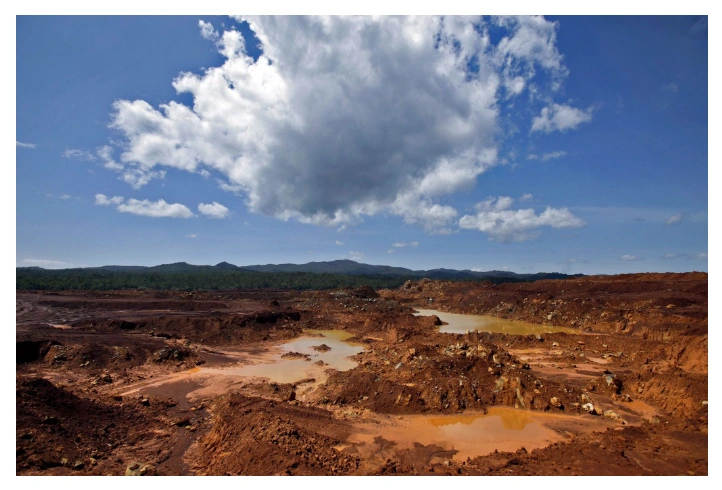
Figure 2: Moa Mine in Cuba [Source: Sven Creutzmann/Mambo Photo /Getty Images]
The visual of the Moa open-pit mine displays the red, iron-rich lateritic soil that holds the cobalt and nickel reserves. Miners excavate this earth and process it locally to create a mixed sulphide precipitate. The red colour of the soil directly reflects the high metallic content of Cuba’s northern coast.
Workers then transport this intermediate material over thousands of kilometres to the Fort Saskatchewan refinery in Alberta, Canada. This facility represents the only refinery of its kind in North America that can process this specific feedstock. The distance between the tropical extraction site and the subarctic refining plant illustrates the complexity of Western mineral supply lines.
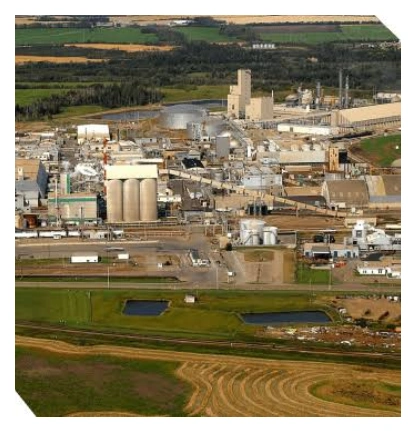
Figure 3: Fort Saskatchewan Refinery in Alberta, Canada [Source: Sherritt International]
The aerial view of the Fort Saskatchewan refinery shows the extensive industrial infrastructure, including silos and processing towers. This plant requires a continuous inflow of the Cuban mixed sulphide precipitate to sustain its daily metallurgical operations. Without this chemical input, the machinery at the Canadian site will remain idle.
The corporate negotiations occurred between offices in Toronto, Canada, and Dallas, Texas, where Gillon Capital maintains its headquarters. Legal and financial advisors coordinated these cross-border discussions to navigate the regulatory boundaries of Washington.
Sequence of Events
The timeline of this supply chain disruption accelerated rapidly during May 2026. The United States administration issued the Executive Order on May 1, 2026. Following this action, Sherritt suspended its Cuban joint venture activities on May 7, 2026, and announced its dissolution plans.
Also Read: Modernising Permitting: Inside Canada’s Open Science and Data Platform
The company scheduled a court appearance in Alberta for May 19, 2026, to seek an expedited dissolution process. However, negotiations with Gillon Capital yielded a preliminary agreement just one day later on May 20, 2026. Sherritt then withdrew its dissolution plans and announced the potential sale of the majority stake.
Prior to these events, global cobalt prices reached multi-year lows during 2024. A subsequent export ban from the Democratic Republic of Congo drove prices to approximately 56,000 dollars per tonne by early 2026. This price surge magnified the financial stakes of the Cuban mining operations.
Turning Points & Future Projections
The transaction operates through a warrant-based private placement to bypass immediate sanctions. Gillon Capital holds a warrant that it can exercise within nine months to secure the 55 per cent ownership. This mechanism provides the Texas firm with time to obtain formal U.S. government approvals.
Industry analyst Patricio Faúndez of GEM Mining Consulting noted that this case exposes a structural vulnerability in Western mineral strategy. Faúndez stated:
“The case sends a warning signal to the West: mineral security does not depend only on having plants, technology or political allies, but also on having supply chains that are traceable, financeable and legally viable,”
Without the Cuban feedstock, the Alberta refinery cannot maintain production levels.
If the U.S. government approves the deal, Washburne’s political standing may insulate Sherritt from future sanctions. This outcome would preserve North America’s domestic refining capability and secure nickel and cobalt supplies. Conversely, regulatory rejection will force Sherritt to seek alternative, more expensive sources of raw materials.
The current inventory of Cuban feed at the Fort Saskatchewan refinery remained sufficient only until approximately mid-June 2026. Consequently, any delay in finalising the Gillon Capital agreement threatens to idle the facility. This situation leaves North American battery manufacturers increasingly vulnerable to supply disruptions from other regions.
Sources
Disclaimer: This article is for informational purposes only and does not constitute financial, legal, or investment advice. The information provided is based on reported developments regarding Sherritt International Corporation, its business operations in Cuba, and related regulatory actions. Readers should independently verify all facts and consult with professional advisors before making any decisions based on the content of this article. The situation regarding U.S. sanctions and corporate agreements is subject to change and may involve complex legal and geopolitical factors.

Luke Carlino is a seasoned Copywriter, Content Strategist, and Social Media Manager specialising in Mining, Finance, and Business journalism. With more than a decade of industry experience, he brings rigorous editorial standards and commercial acuity to every project.