
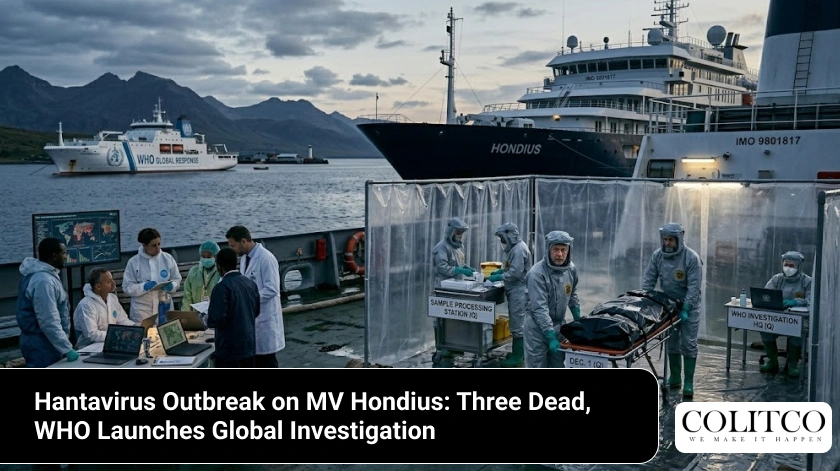
A suspected outbreak of the rare hantavirus infection on a cruise ship in the Atlantic Ocean killed three people and sickened at least three others, the World Health Organisation and South Africa’s Department of Health confirmed on Sunday. Investigators confirmed hantavirus in at least one case, with five other cases remaining under suspicion.
One patient was receiving treatment in intensive care at a South African hospital, and the WHO stated it was working with authorities to evacuate two other passengers showing symptoms from the ship. The outbreak sent shockwaves through the global health community and raised urgent questions about biosecurity protocols on international cruise vessels.
The Danger
The incident carries global significance because hantavirus, though rare, carries a high fatality risk and currently has no specific treatment or cure. More than one third of patients who experience respiratory symptoms may die from the syndrome, according to the Centers for Disease Control and Prevention.
While rare, WHO confirmed that hantavirus infections can spread between people and can lead to severe respiratory illness. This person-to-person transmission risk elevates public concern, particularly for travellers on enclosed vessels where passenger contact is close and sustained.
- Hantavirus kills over one-third of patients who develop respiratory symptoms
- No approved cure or vaccine currently exists
- The virus can spread between humans in rare circumstances
- Authorities in multiple countries now conduct contact tracing
The Ship and the Operator
The cruise operator, Oceanwide Expeditions, operates the MV Hondius, an ice-strengthened cruise ship. Around 150 tourists were on board the ship at the time of the outbreak, with online tour operators noting that the Hondius usually travels with around 70 crew members.
Two of the people who died were identified as a married couple — a 70-year-old man declared dead on arrival in St. Helena, and a 69-year-old woman who collapsed at Johannesburg’s international airport while attempting to fly to their home country of the Netherlands and died at a health facility, South African Health Ministry spokesperson Foster Mohale said.
A passenger from the UK who became ill while the cruise ship was travelling from St. Helena to Ascension Island was being treated at a hospital in South Africa. His lab results tested positive for hantavirus, Mohale said. The UK’s Foreign, Commonwealth and Development Office (FCDO) confirmed it was closely monitoring the situation.
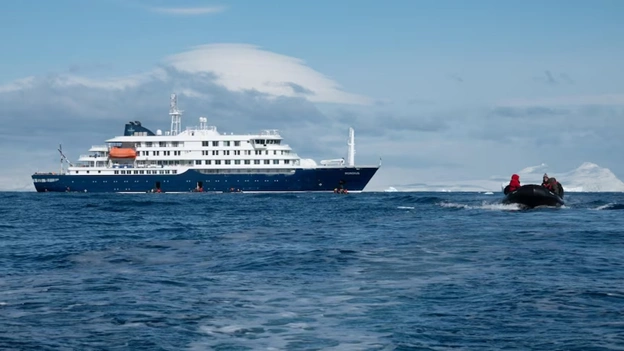
Figure 1: MV Hondius [Oceanwide Expeditions]
Where It Happened
The MarineTraffic global shipping website identified the vessel as a Dutch-flagged passenger cruise ship and located it as docked in Praia, the capital of Cape Verde, a country off West Africa, on Sunday night. Cape Verde authorities visited the ship to assess the conditions of the symptomatic passengers, but they had not authorised anyone to disembark at the time of reporting.
The husband’s remains were in St. Helena, an island midway between South America and Africa, awaiting repatriation to the Netherlands. South Africa became a key response hub, with hospitals treating patients and health authorities conducting contact tracing across the Johannesburg region.
When It Happened
The South African health department said the outbreak happened on the MV Hondius cruise ship, which had left Argentina around three weeks ago for a cruise that included visits to Antarctica, the Falkland Islands and other stops on the way to Spain’s Canary Islands on the other side of the Atlantic.
The WHO and South Africa’s Department of Health made their public announcements on Sunday, 4 May 2026. Three people had died and one was in intensive care after a cluster of hantavirus infections linked to the cruise ship in the Atlantic Ocean, the World Health Organisation confirmed.
How It Happened and How It Will Play Out
Hantaviruses are a family of viruses that are usually spread by exposure to urine, saliva or faeces from infected rodents, such as rats or mice. The presence of rodents on a ship operating in remote polar and Atlantic regions presents a plausible route of transmission, though investigators have not yet confirmed the exact source on the MV Hondius.
Symptoms usually start with fatigue, fever and muscle aches, but can also include headaches, dizziness, chills and additional problems such as nausea, vomiting, diarrhoea and abdominal pain. The disease can then progress to coughing, shortness of breath and tightness in the chest as the lungs fill with fluid.
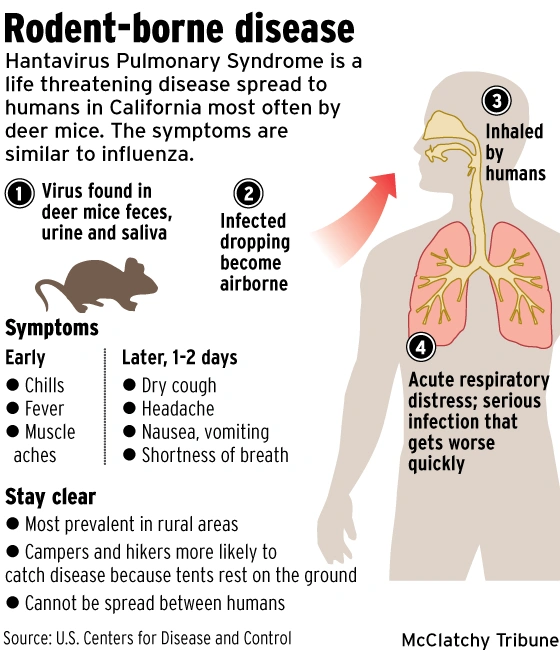
Figure 2: Hantavirus symptoms [Vanguard]
The WHO released the following statement in response to the outbreak: “WHO is aware of and supporting a public health event involving a cruise vessel sailing in the Atlantic Ocean. Detailed investigations are ongoing, including further laboratory testing, and epidemiological investigations. Medical care and support are being provided to passengers and crew. Sequencing of the virus is also ongoing.”
The WHO said it was working with national authorities and the ship’s operators to conduct a “full public health risk assessment” and provide support for those still on board. South Africa’s National Institute for Communicable Diseases, meanwhile, was conducting contact tracing in the Johannesburg region to identify whether other people were exposed to the infected passengers in South Africa.
The WHO also acknowledged a key transmission concern in its statement: “While rare, hantavirus may spread between people, and can lead to severe respiratory illness and requires careful patient monitoring, support and response.”
Also Read: Australia’s AI Mining Boom: Performance Gains and Rising Risks in 2026
There is no specific treatment or cure for hantavirus infections, but early medical attention can increase the chance of survival. Health officials across South Africa, Cape Verde, the Netherlands, and the United Kingdom are now coordinating to manage the fallout from the outbreak.
Key Facts at a Glance
- Ship: MV Hondius, operated by Oceanwide Expeditions
- Flag: Dutch-flagged passenger vessel
- Route: Ushuaia, Argentina → Antarctica → Falkland Islands → Atlantic stops → Canary Islands
- Passengers on board: Approximately 150 tourists and 70 crew
- Deaths: Three confirmed (including one Dutch couple)
- Intensive care: One British national in South Africa
- Confirmed cases: One lab-confirmed; five suspected
- Current location: Docked at Praia, Cape Verde
- Investigating body: WHO, South Africa’s Department of Health, National Institute for Communicable Diseases
The MV Hondius outbreak marks one of the first suspected hantavirus clusters recorded on a cruise vessel and sets a precedent for how health authorities manage zoonotic disease events in international maritime environments. Global health authorities will watch the outcome of virus sequencing closely, as the results could redefine biosecurity standards across the cruise industry.
Disclaimer: This article is for informational purposes only and does not constitute medical advice. For any health concerns or symptoms related to hantavirus or other infectious diseases, please consult a qualified healthcare professional or local health authorities immediately.
Sources
- https://edition.cnn.com/2026/05/03/africa/atlantic-hantavirus-cruise-ship-dead-latam-intl
- https://www.pbs.org/newshour/world/three-dead-in-suspected-hantavirus-outbreak-aboard-cruise-ship-in-the-atlantic-ocean-who-says
- https://www.sbs.com.au/news/article/what-is-hantavirus-cruise-ship-outbreak/jh25h768v
- https://www.abc.net.au/news/2026-05-04/hantavirus-outbreak-atlantic-cruise-ship-three-dead/106637434


