
Catalyst Metals has pushed expected gold production from Trident underground and Old Highway into FY28, lowering its FY27 forecast. Permitting delays and slower underground development have changed the schedule, while spending on the wider Plutonic operation continues.

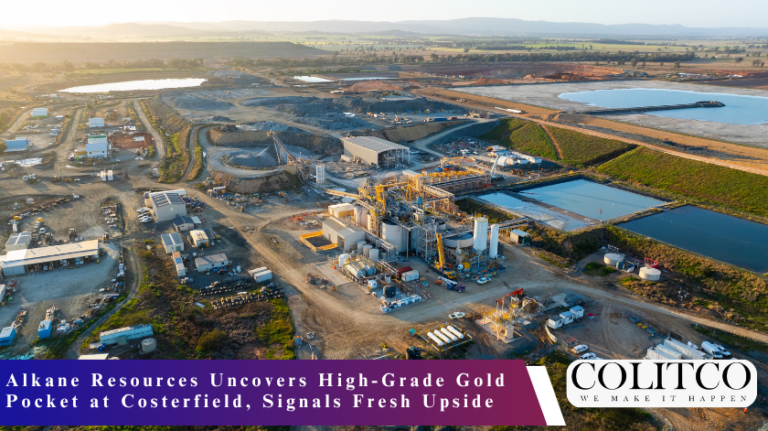
Figure 1: Plutonic Gold Mine in Western Australia. Archive image from Catalyst Metals’ project page. Credit: Catalyst Metals Limited.
Trident Needs More Development Before Production Can Begin
Trident’s underground portal started a month late. Development then advanced more slowly than expected, leaving the mine about 100 metres behind its anticipated schedule.
Early work has been confined to a single heading, with development progressing at roughly 100 metres a month. Crews have encountered varying ground conditions and used different ground-support methods.
There was also a change in the ore available early in the mine plan.
Grade-control drilling improved Trident’s overall grade and contained ounces. At the edges of the deposit, however, the results were less favourable. Some of the areas scheduled for early mining narrowed, reducing their potential contribution.
A larger resource therefore did not bring first production forward.
Catalyst has changed Trident’s bonus structure and site management, and says early signs of faster development are appearing. More headings are expected to open in the coming months. Even so, the company no longer expects underground gold production from Trident during FY27.
Old Highway’s Approvals Have Taken Longer
At Old Highway, permitting is the main reason production has moved into FY28.
Catalyst expects mining activities to begin during calendar 2027. Work is continuing on the Mining Development and Closure Plan, while the Native Vegetation Clearing Permit is expected by the end of 2026.
Ore haulage also requires a new intersection on the Great Northern Highway. Final designs have gone to Main Roads, with approval expected late in the calendar year.
Preparations at the deposit have continued. Grade-control drilling began during the September quarter, a civil contractor has been selected for the road siding, and the mining contractor process has reached preferred-contractor status.
Those steps bring the project closer to development. The dates still depend on approvals and the work that follows them.
September’s Operating Mines Had Problems of Their Own
The Catalyst Metals gold production delay comes after a weaker quarter at the existing operations.
September quarter production fell to 22,231 ounces from 31,886 in June. Catalyst blamed personnel issues for the deficit. Extended processing shutdowns lowered output.
Lower staffing meant less material moved at Plutonic Main and Plutonic East.
| September quarter measure | Reported result |
| Gold produced | 22,231oz |
| Gold sold | 27,229oz |
| Average realised gold price | A$6,116/oz |
| AISC per ounce sold | A$3,512 |
| AISC per ounce produced | A$4,267 |
| Closing cash and bullion | A$371 million |
Fewer Ounces Leave More Cost Against Each One
Catalyst Metals FY27 production guidance is A$3,600–4,100 an ounce.
Catalyst says the increase from FY26 reflects lower production across existing mines, industry inflation and the challenge of maintaining cost discipline during expansion.
The fixed-cost problem is straightforward. A mine still needs people, maintenance and supporting infrastructure when fewer ounces come through the plant. Those expenses are then spread across a smaller volume of gold.
For FY27, ore will come from Plutonic Main, Plutonic East and Keillor, supplemented by the remaining Trident open-pit stockpiles. Catalyst expects trucking of those stockpiles to finish during calendar 2026.
Keillor has reached commercial production, although power, communications and reporting issues remain. Management also flagged challenges in extracting its higher-grade crown pillar.
For another view of the relationship between production and costs, Colitco’s coverage of Evolution Mining’s FY26 gold margins examines the numbers behind reported operating performance.
Catalyst Is Spending Before the New Gold Arrives
Management has chosen to give underground development more room ahead of production. The aim is to separate development and production work areas adequately, rather than force new mines to meet earlier dates.
That approach requires continued spending.
| FY27 expenditure category | Guidance |
| Processing plant works | A$22–30 million |
| Tailings infrastructure | A$8–10 million |
| Total non-discretionary capital | A$30–40 million |
| Growth capital | A$70–80 million |
| Exploration | A$80–90 million |
The processing programme covers 29 projects. These include work on the elution circuit, tailings equipment, controls, structures and conveyors.
Catalyst is targeting annual plant throughput of 2 million tonnes. The refurbishment is intended to improve reliability as well as capacity, preparing the plant for more ore from the surrounding deposits.
Colitco’s report on how Telfer supports Greatland’s expansion looks at another gold producer balancing an operating mine with substantial development work.
The Balance Sheet Gives Management Time
Cash and bullion increased by A$40 million during the September quarter, reaching A$371 million.
Catalyst reported A$80 million of operating cash flow under its stated measure, which is after sustaining capital, corporate costs and working-capital movements. It then reinvested A$13 million in growth, A$10 million in non-discretionary capital and A$17 million in exploration.
The company remained debt-free. Its revolving credit facility doubled to A$200 million and was extended to four years, with nothing drawn at quarter-end.
The 200,000-Ounce Plan Still Needs a Revised Timetable
Plutonic Belt reserves have reached 2 million ounces. Catalyst continues to target approximately 200,000 ounces of annual production for roughly ten years.
The company says the underlying reserve base and production ambition remain intact. What is less settled is the sequence for getting there.
For the Catalyst Metals ASX outlook, the next useful evidence will be development metres at Trident, approvals at Old Highway and a recovery in ore movement at the operating mines. Plant reliability will matter alongside all three.
ALSO READ: St Barbara Wins Approval to Restart Touquoy Gold Mine Operations in Nova Scotia
FAQs
Q1. What is Catalyst Metals’ FY27 production guidance?
Ans. Catalyst expects 90,000–105,000 ounces of gold, with AISC of A$3,600–4,100 an ounce.
Q2. Why has Trident underground production been delayed?
Ans. The portal started late, development progressed more slowly than planned, and drilling reduced the expected contribution from some early mining areas.
Q3. When is Old Highway expected to produce gold?
Ans. Its previously anticipated FY27 production has moved into FY28. Catalyst expects mining activities to commence during calendar 2027, subject to progress on approvals and development.
Q4. Did Catalyst scrap its long-term growth target?
Ans: No. The corporation still wants 200,000 ounces a year, but its research and manufacturing plan is altering.
Disclaimer
This post provides information, production, development, and cost forecasts are uncertain. Company news and circumstances should be considered before investing. Each investment has risk.

Luke Carlino is a seasoned Copywriter, Content Strategist, and Social Media Manager specialising in Mining, Finance, and Business journalism. With more than a decade of industry experience, he brings rigorous editorial standards and commercial acuity to every project.