
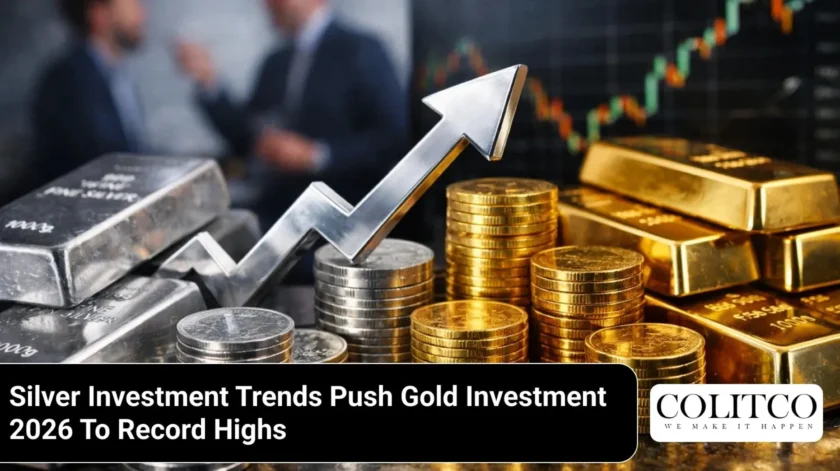
Precious metals have been performing a theatrical performance in the international media markets, with investors seeking a way out and stability. The foundations of silver investment have become acute since the beginning of 2026 due to the increased level of geopolitical risks and currency issues.
Gold has increased over a quarter in the current month and hit almost under $5,595 (£4,060) a pound. The prices have since fallen to $5,250 (£3,810) but are nearly doubled compared to the previous year. Silver demonstrates even better dynamics because it gained momentum since it was lower than $30 (£22) per ounce, and now it has gone over 118 (£86) per ounce.
The quick increase is a symptom of increased retail and institutional buyer apprehension. This is because investors are increasingly preferring investments in tangible assets as compared to volatile currencies and bonds.
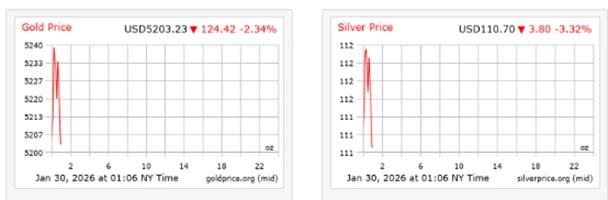
Gold and silver bars will be shown due to an increase in demand for safe assets. [Gold Price.org]
Political And Policy Risks Support Safe Haven Demand
According to analysts, aggressive policymaking has shaken up world markets and undermined trust in the conventional financial systems. Uncertainty has been heightened by trade tariffs, diplomatic pressure and pressure on the Federal Reserve.
All this elicits concerns regarding inflation and the stability of the economy in the long term. Consequently, numerous investors have been shifting funds towards metals that can be regarded as secure investment opportunities 2in 026.
Gold has traditional hedging properties against crisis and inflationary shocks in purchasing power. Silver is also a recipient of this same sentiment and is relatively cheaper and more available.
The transformation indicates that the level of trust in institutions has been eroded in various economies. Markets are also becoming keen to price metals as a form of insurance against policy surprises.
What Role Do Central Banks Play In Demand?
The central banks have silently increased their bullion reserves to avoid being dependent on the US government bonds. The data provided on a quarterly basis showed that official purchases were 863 tonnes, even though they were 21 per cent less than the previous year.
The slower purchasing is still beneficial to the global demand. Governments are trying to minimise dollar-related asset exposure to increasing volatility. The ownership of gold is more liquid and free of sovereign credit risk.
This cumulative institutionalisation of the long-term price floors. These signals are frequently tracked by retail investors, and their own holdings are increased. Combined, official and unofficial demand puts pressure in an upward direction on both metals.
The Central banks are buying more bullion to reduce currency exposure. [CoinBazaar]
Retail Investors Fuel A Speculative Frenzy
It has been boosted by a wave of smaller investors in the past few months. Numerous customers react to threatening news and need instant security. Still others play momentum, looking to get gains as the prices increase on a weekly basis.
There are reports of high levels of transactions online and through bullion dealers. The fact that silver is cheaper attracts first-time investors as they feel that its price is less expensive. This openness extends the participation of the younger groups.
Analysts refer to the trend as parabolic and caution that there will be volatility in the short-run. Despite this, robust flows are esteemed indicators of conviction in metals as feasible safe investments in 2026. This behaviour reflects on the previous commodity booms in the past, fuelled by fear and opportunity.
How Is The Dollar Influencing Gold Investment in 2026?
The demand for precious metals in the global markets is also influenced by the movement of currencies. The dollar has depreciated as the Federal Reserve’s independence and stability have become an issue.
The euro was trading at a price above 1.20 (1.20.30 pounds sterling) and the pound at 1.38. When the dollar is weakened, then gold and silver become cheap to foreign consumers.
The effect of this move is an increase in purchases worldwide and the encouragement of higher prices. The other aspect that is considered by investors is the use of metals as a safeguard against the possible debasement of the dollar.
When people lose confidence in paper money, it is usually the bullion that gains. The correlation indicates the reason why the gold investment in 2026 will still stand steady, even with equity market resilience.
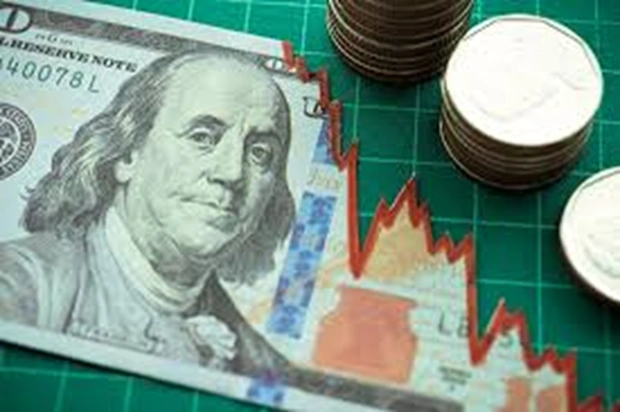
Fluctuation of currency,y exerting stress on the US dollar and increasing metals. [Bureau of Labour Statistics]
Outlook Points To Continued Strength In Metals
Market strategists believe that volatility will continue as geopolitical tension and elections are about to occur. The share markets are high, although they are also in need of hedges against sudden shocks. The precious metals can provide diversification and liquidity in times of uncertainty.
Institutional and household demand indicate structural support of the rally. Although corrections can take place, the long-term basics are positive. Patterns in investment in silver thus seem to be long-term and not short-term.
To the closest investors, the bullion is one of the most reliable safe investment choices in 2026. The next months will determine whether confidence in currencies is going to stabilise or keep washing away.
Also Read: Historic $5,000 Gold Peak Signals New Era for Commodity Markets
FAQs
Q1: Why are silver prices rising faster than gold?
A1: Silver is cheaper and attracts more retail participation during speculative rallies.
Q2: Is gold still considered a safe investment in 2026?
A2: Yes, many investors treat gold as protection against inflation and currency weakness.
Q3: How do central banks affect metal prices?
A3: Reserve purchases increase demand and support long-term price stability.
Q4: Are precious metals safer than stocks right now?
A4: They reduce risk exposure but should complement diversified portfolios.