

The September reports offer three clues to what could move ASX mining stocks next. PLS has concentrate to sell, Catalyst has gold it will reach later than planned, and Capstone has a mill that has yet to settle into its new operating rate.
In this article, Colitco looks at which developments change the cash shareholders can reasonably expect and which merely shift a receipt from one quarter to the next.
Figure 1: 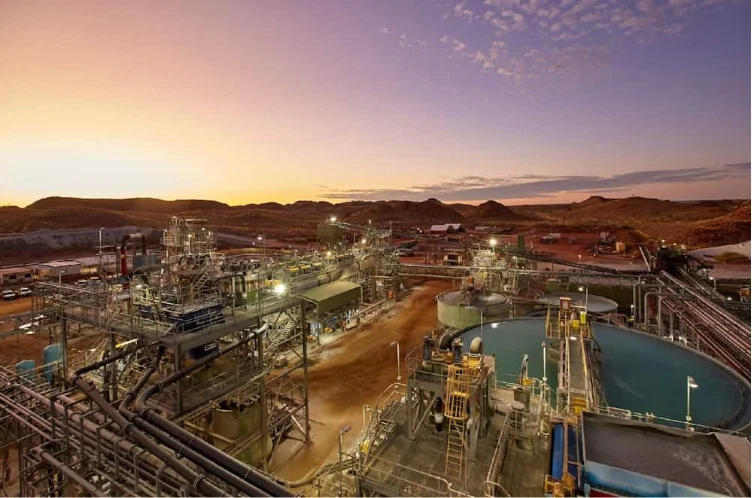 Credit: © International Lithium Association (ILiA).
PLS Can Catch Up a Cargo. The Selling Price Is Another Matter
PLS Group’s Pilgangoora operation produced a record 267,600 tonnes of spodumene concentrate in the September quarter, 25% more than in June. Yet revenue fell from A$743 million to A$563 million.
Part of the explanation was sitting at Port Hedland. A 15,000-tonne cargo scheduled for late September moved into October. PLS recorded sales of 223,600 tonnes for the quarter, against 249,900 tonnes in June. Had the cargo sailed on time, September sales would have reached 238,600 tonnes. Even on that basis, they would still have fallen short of June.
Then there was the price. PLS received an estimated US$1,809 a tonne, down from US$2,107. Moving a ship forward a few days would have put more sales into the September accounts. It would have done nothing about the US$298 fall in the price received per tonne.
For someone valuing the business, the December report poses a more useful question than whether production sets another record: at what price did PLS sell the additional tonnes? Colitco’s breakdown of the Pilgangoora quarter also looks at how much lower operating costs helped.
Catalyst’s Gold Is Still in the Ground. Its Payment Date Has Changed
Catalyst Metals had previously indicated that it could produce 130,000–150,000 ounces in FY27. On 30 October, it issued guidance of 90,000–105,000 ounces. That takes 42,500 ounces out of the midpoint for the year.
Old Highway took longer to permit. At Trident, the underground entrance started late and crews then advanced more slowly than planned.
Drilling produced an awkward result for the schedule: it improved the grade estimate for the deposit overall, but some of the first areas due to be mined turned out to be narrower. Better ground elsewhere could not supply the missing early ounces.
Catalyst now expects production from Trident underground and Old Highway in FY28.
Why revise a valuation if the gold is still there? Because a shareholder waiting an extra year for a receipt owns a different stream of cash flows.
Meanwhile, fewer ounces from the operating mines must bear the cost of keeping the site running. For a closer look at the revised schedule, see why Catalyst moved the two mine contributions into FY28.
Capstone’s Best Day at Mantoverde Is Only One Day
In October, Capstone Copper put 53,412 tonnes of ore through its Mantoverde concentrator in a single day. The expanded plant’s design rate is 45,000 tonnes a day. The company expects to sustain that lower figure from early 2027.
Multiplying the October record by 365 would skip all three considerations.
There is money riding on the distinction. Capstone reported record quarterly adjusted EBITDA of US$358.3 million and generated US$226.6 million from operating activities. After sustaining and expansion investment, free cash flow was negative US$26.3 million.
A quarter of negative free cash flow during construction does not settle whether the investment was worthwhile. A run of production reports showing additional copper from Mantoverde, alongside the remaining cost of delivering it, would give shareholders a firmer answer.
A Better Mine Plan Can Still Leave Less Value per Share
Funding is another reason ASX mining shares can move before a company sells an extra ounce or tonne. Consider a developer with 100 million shares on issue. An investor holding one million shares owns 1%. If the company issues another 25 million shares and that investor buys none, the same holding becomes 0.8%.
That calculation alone does not tell the investor whether they are worse off. The company now has the money it raised. If the proceeds finish a processing plant and carry the business through to customer receipts, a smaller stake in a funded mine may be worth more than a larger stake in an unfinished one.
The question for anyone researching mining stocks to buy is what the raising actually pays for.
Which Figures Could Change the Next Valuation?
| Company | Figure to check in the next update | Why it matters |
|---|---|---|
| PLS Group | Tonnes shipped and realised price per tonne | A delayed cargo can lift the next quarter’s sales volume even if the price received keeps falling. |
| Catalyst Metals | Metres advanced at Trident and permitting progress at Old Highway | These show whether the two projects are moving closer to producing gold in FY28. |
| Capstone Copper | Average Mantoverde throughput, copper recovery and capital still to spend | Together they show whether the expansion is beginning to earn a return. |
A good result alone need not move a share price. If investors already assume Mantoverde will sustain 45,000 tonnes a day, achieving it may simply confirm the valuation they have given Capstone.
A lower average, stronger recovery or a change in the remaining bill could give them reason to revise it. The useful comparison is between what the mine delivers and what shareholders were counting on.
ALSO READ: Evolution Mining FY26 Results: The Gold Margins Are Speaking
FAQs
Q1. How does repricing affect mining companies?
It indicates the market values its shares differently. A new pricing, manufacturing timeline, or financial need might affect purchasers’ earnings.
Q2. Can a miner produce more yet earn less?
Yes. Company revenue relies on product sales and pricing. PLS produced more concentrate in September but sold fewer tons at lower prices.
Q3. Why does mining delay matter more than shipping delay?
Your delayed cargo may be ready for sale. A mining delay may delay extraction, forcing the corporation to spend for development before selling.
Q4. Which expenses are excluded from EBITDA?
Interest, tax, depreciation, and amortization are excluded from EBITDA. The company’s mining maintenance and expansion costs are likewise not disclosed.
Disclaimer
This post contains general information, not stock advice. Production goals and project timelines are business estimates and may vary.

Luke Carlino is a seasoned Copywriter, Content Strategist, and Social Media Manager specialising in Mining, Finance, and Business journalism. With more than a decade of industry experience, he brings rigorous editorial standards and commercial acuity to every project.