

The acquisition of Amazon Globalstar is a breakthrough into the low Earth orbit market. The ~$11.60 billion deal strengthens Amazon’s satellite ambitions significantly. Investors reacted swiftly, and the stock shot up by approximately 4%.
The company also wants to diversify its broadband services into wider connectivity services. This change is in line with the increasing need for satellite-based communication.
The takeover indicates the long-term investment in space infrastructure. It also presents Amazon as being opposed to the new entrants in satellite services. Market players consider the move to be timely. The project underscores the desire by Amazon to diversify technology.
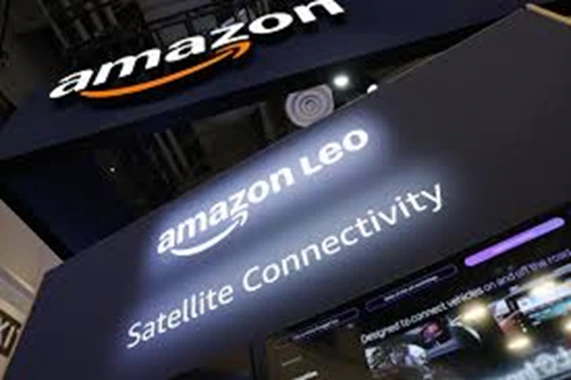
Amazon’s satellite ambitions expand with Globalstar acquisition. [Courtesy: Business Standard]
Why Does The Deal Accelerate Direct-To-Device Connectivity?
Amazon’s Globalstar acquisition helps to speed up the direct-to-device connectivity. The technology enables gadgets to connect to tower-free satellites. It is a significant change in mobile communication infrastructure.
Globalstar can offer Amazon a better entry point in this segment. The firm is able to take advantage of the available capabilities to expand at a higher rate. Direct connectivity enhances reliability in remote or challenging environments.
It also minimizes reliance on the conventional telecom networks. This benefit may open new sources of revenue in the world. The move helps Amazon to develop its long-term connectivity ecosystem strategy.
How valuable are Globalstar’s Spectrum And Satellite Assets?
Globalstar adds very important spectrum to Amazon’s portfolio. Its L and S band licenses are limited and of strategic high value. These bands can also give reliable connections without necessarily having a perfect line-of-sight.
They also aid smaller devices in having effective connectivity. Also, Globalstar has 24 satellites presently. It has agreements on approximately 50 additional satellites, which further increase its capacity.
These resources are in addition to the existing constellation of satellites (around 200) within Amazon. The synergistic infrastructure enhances the competitiveness of Amazon. Ownership of the spectrum decreases the need to enter into partnerships.

Satellite spectrum plays a critical role in global connectivity expansion. [Courtesy: SatNow]
Where Does This Place Amazon In The Satellite Market?
Amazon is now in a better position in the satellite ecosystem. The acquisition increases its presence in orbit and spectrum ownership. Similar technologies are also being heavily invested in by the competitors.
This enhances competition in the LEO market. The size and investment that Amazon has give it an edge. The company is able to incorporate satellite services in its ecosystem.
This covers the logistics, cloud computing, and consumer devices. The relocation is also in line with the growing need for connectivity worldwide. Investors are optimistic about long-term market leadership.
When Could Amazon Monetise Its Satellite Investments?
The Amazon Globalstar acquisition aids in a gradual monetisation plan. The firm intends to roll out the wider system in 2028. Direct-to-device services will increase in the long run.
Niche and enterprise applications can be pursued early. Infrastructure expansion could be followed by consumer applications. The current partnerships can help increase the revenue faster. Scaling is, however, very expensive and is executable.
A multi-year development schedule should be anticipated by investors. Valuation changes will be mainly determined by progress updates.
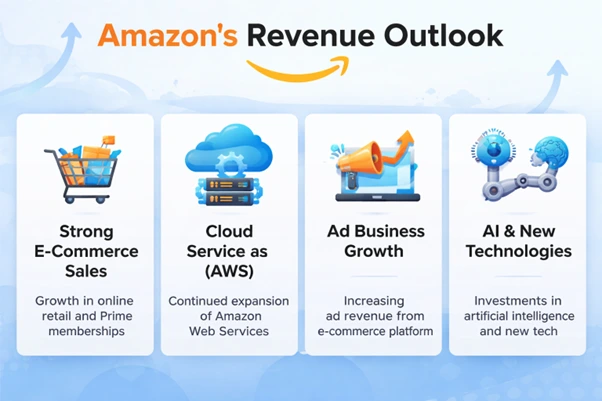
Satellite deployment timelines will shape Amazon’s revenue outlook.
How Does Apple Partnership Enhance Amazon’s Opportunity?
The collaboration with Apple is a strategic plus to Globalstar. It offers access to real-life direct-to-consumer usage information. It has such features as Emergency SOS, messaging, and location services.
These applications show usefulness in satellite connectivity. This experience can help Amazon to improve its offerings. The relationship can be extended to wider service integration.
Future opportunities are mapping and applications connectedness. Nonetheless, such services need to be sustained in order to be scaled. The collaboration enhances the innovation trajectory of Amazon in the long term.
Also Read: Amazon Eyes Third-Party Sales of Its AI Chip Racks as Demand Overwhelms Supply
FAQs
Q1. What is Amazon’s Globalstar acquisition value?
A1: The deal is valued at ~$11.60 billion. It strengthens Amazon’s satellite and connectivity capabilities.
Q2. Why did Amazon’s stock rise after the announcement?
A2: Shares increased about 4% due to positive investor sentiment. Markets see long-term growth potential.
Q3. What is direct-to-device satellite connectivity?
A3: It allows devices to connect directly to satellites. This removes reliance on traditional cell towers.
Q4. When will Amazon’s satellite services scale significantly?
A4: Major expansion is expected around 2028. Full monetisation will likely take several years.
Disclaimer
This article is for informational purposes only and does not constitute financial advice. Market conditions can change rapidly. Investors should conduct independent research before making decisions. The analysis is based on publicly available information and may not reflect all risks or developments. Always consult a qualified financial advisor for personalised investment guidance.
Sources


