
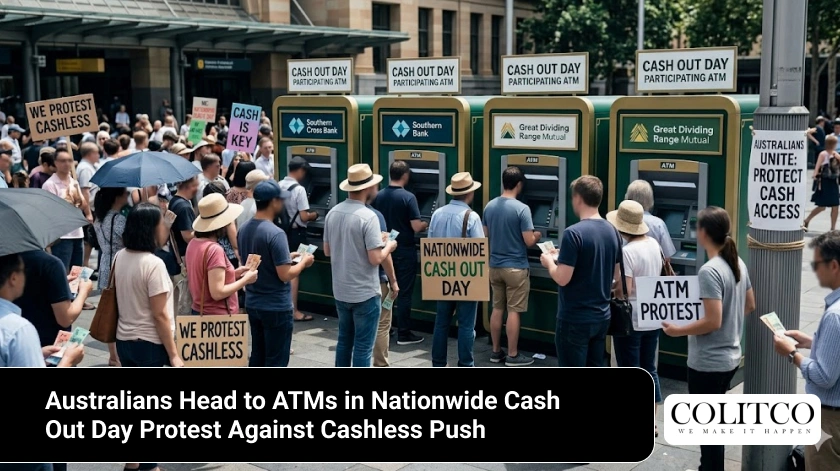
Australians across the country lined up at ATMs, bank branches, and supermarket checkouts on Tuesday as part of Cash Out Day, a grassroots protest demanding that banks and the federal government protect access to physical currency in the face of Australia’s accelerating shift towards digital payments.
The Protest
A grassroots movement urged Australians to put pressure on the federal government and major banks simply by withdrawing cash on Tuesday, with 28 April designated as national Cash Out Day, where Australians headed to their nearest ATM or bank branch to make a withdrawal. Dubbed “Cash Out Day,” pro-cash advocates spearheaded the initiative to highlight the ongoing demand for physical currency and resist the push towards a cashless society.
“Cash-Out Day is our opportunity to show banks and politicians that Australians value the ability to access and use cash,” said Jason Bryce, founder of advocacy group Cash Welcome. “Cash is legal tender, and both banks and retailers must respect the public’s right to use it.”
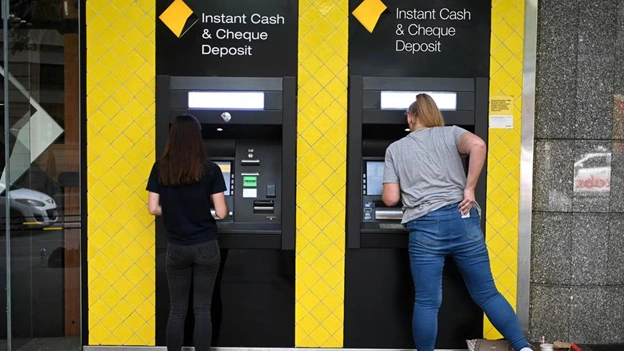
Figure 1: Millions are expected to withdraw cash from ATMs as part of national Cash Out Day [Dan Peled]
The Stakes
About 15 per cent of transactions in 2025 were made with cash — up 2 per cent from 2023, according to an RBA study, and in-person transactions jumped closer to one in five transactions. The study also found that about half of Australians use cash at least once per week, with older Australians using physical money more than younger residents.
Cash continues to be vital for an estimated 7 per cent of Australians, or more than 1.5 million people, who rely on it for 80 per cent of their face-to-face transactions. A 2025 poll of more than 21,510 Yahoo Finance readers found 89 per cent of respondents felt it was important to vocalise their need for physical currency, underlining that the issue resonates well beyond the movement’s core organisers.
- Cash usage is rising, not falling, for the first time in years
- Approximately 900,000 to one million Australians make an ATM withdrawal on a normal day
- Half of all Australians use cash at least once per week
- New legislation set for January 2026 will mandate cash acceptance at essential services
Who Is Involved
Cash Welcome founder and financial journalist Jason Bryce said this Cash Out Day was a major opportunity to keep the cash option in Australia. “It has had an impact, there was a very successful Cash Out Day a couple of years ago which led to the government announcing a cash mandate,” he told NewsWire. “This is just an easy way for consumers to send a message to the banks that we have a right to access our money in our local community.”
National Seniors Australia chief executive Chris Grice warned that older Australians still needed access to cash. “Not all seniors are comfortable using debit or credit cards, or banking online, because they’re not tech savvy, they’re fearful of potential scams, and cash is what they’ve always known,” he said. He said the NSA mantra was “use it or lose it.” “For the first time in years, Australians are using cash more often and for greater amounts,” he said.
The Australian Banking Association (ABA) and the Reserve Bank of Australia (RBA) represent the institutional counterpart to the movement. “While Australians are increasingly opting for digital transactions, we are not moving to a cashless society,” an ABA spokesperson said. “Cash remains available and accessible for those who prefer it.”
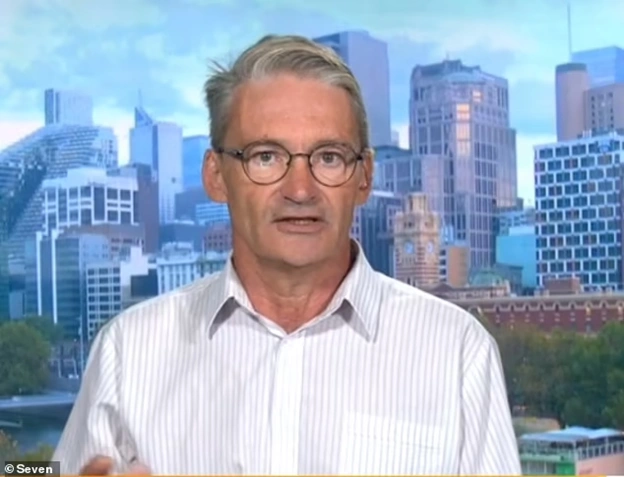
Figure 2: Cash Welcome founder and financial journalist Jason Bryce [Daily Mail]
The Ground
In pubs across Sydney, on farms in rural Queensland, and in suburban Melbourne cafés, Cash Out Day became the dominant topic of conversation this autumn. Participants withdrew money from ATMs, bank branches, and supermarket eftpos terminals in cities, regional towns, and rural communities across Australia.
Bryce started his Cash Welcome campaign after a local bank removed a branch and closed down four ATMs, restricting access to cash in his local community. “Despite the fact it was crowded, with queues out the door on pension day, they didn’t have a decline in foot traffic, they just wanted to cut costs,” he said. The protest drew participation from every state and territory, with regional communities facing the sharpest reduction in banking infrastructure taking particular interest.
The Moment
Advocates planned to withdraw large sums of money from ATMs and banks on Tuesday in another round of Cash Out Day, with these grassroots protests starting the previous year as a form of speaking out against the cashless revolution. April 28 served as the designated date for this year’s national Cash Out Day.
The 2025 event follows a prior protest held on 2 April 2024, which the ABA confirmed produced no measurable spike in withdrawals. Organisers pressed ahead in 2025 with renewed momentum, pointing to the government’s pending cash mandate legislation as proof the movement produces results.
How It Happened and How It Will Play Out
Mr Bryce said for anyone who wanted to participate in Cash Out Day, it was as simple as removing $20 from an ATM, bank or eftpos retailer. “The convenience of tap and go is fine, nobody is talking about taking it away from transaction options, but we need to have a choice of how we pay and everyone needs to use cash every now and then,” he said.
Cash advocate Jason Bryce believes as many as two million people will take part in today’s protest. “Use [cash] or lose it,” he told Yahoo Finance. “It’s like a vote. It’s almost like we’re voting to keep cash on Tuesday.”
Since Bryce’s first protest the previous year, the government moved to force essential services — like supermarkets, mechanics and doctors — to carry and accept cash. New legislation proposed for January 2026 would mandate cash acceptance at essential services including supermarkets, petrol stations, and pharmacies.
Grice said Cash Out Day is not just about cash, but it points to a much wider problem anchored by physical money. “It’s branch closures, ATM removals, some bank branches not handling cash,” he said. “It’s non-bank ATMs charging fees. Retail not accepting cash, or they charging fees. Cheques being removed.”
The Broader Picture
The Reserve Bank of Australia reports that cash use dropped sharply — from 70 per cent of payments in 2017 to just 13 per cent in 2022. The ABA projects this figure could fall to as low as 4 per cent by 2030.
- In February 2025, Australians made 28.6 million ATM withdrawals
- Cash payments made up 13 per cent of all transactions in 2022, down from 70 per cent in 2007
- 72 per cent of Australians qualify as low-cash users, up from 50 per cent in 2019
- High-cash users — those using physical money for more than 80 per cent of transactions — fell from 14 per cent to 7 per cent between 2019 and 2022
Mr Bryce said the numbers were clear: more Australians want to use cash and he hoped the banks responded by reopening branches and providing more ATM options. “Cash users across the country should feel validated by the news that proves cash still has a solid place in the economy. Add to this the Cash Mandate introduced in January this year and cash is certainly making a comeback.”
“For many Australians, cash is more than a payment method — it’s a financial lifeline,” said Treasurer Jim Chalmers and Assistant Treasurer Stephen Jones in a joint statement. The federal government’s move towards legislating a cash mandate signals that the pressure from movements like Cash Out Day translates into policy outcomes — a point Bryce and his supporters point to as evidence that consumer action works.
Sources
- https://www.news.com.au/finance/money/spending/aussies-urged-to-withdraw-cash-from-atms-in-massive-grassroots-cash-out-day-protest/news-story
- https://au.finance.yahoo.com/news/cash-protest-to-drain-atms-in-defiant-act-against-controversial-trend-use-it-or-lose-it-055904090.html
- https://www.myassignmentspro.com/blog/australias-atm-uprising-millions-to-withdraw-cash-in-nationwide-protest/
Disclaimer: This article is for informational purposes only and reports on a grassroots movement and public sentiment regarding the use of cash in Australia. It includes information and opinions provided by advocates and industry representatives. This content should not be considered financial, legal, or political advice. Readers are encouraged to conduct their own due diligence and consult with relevant professionals before making decisions based on this information.


