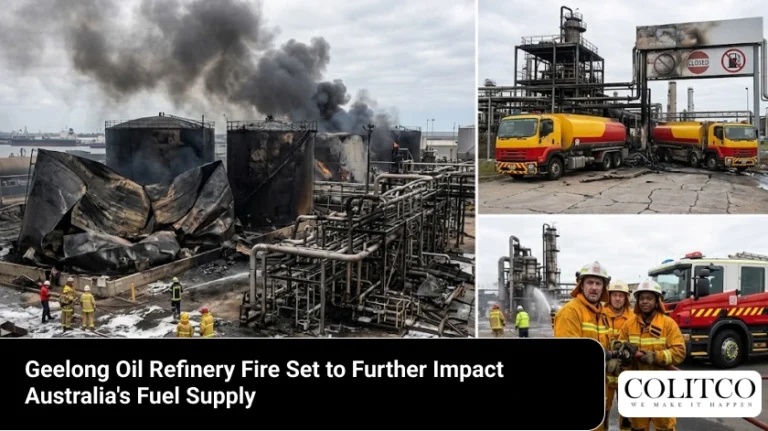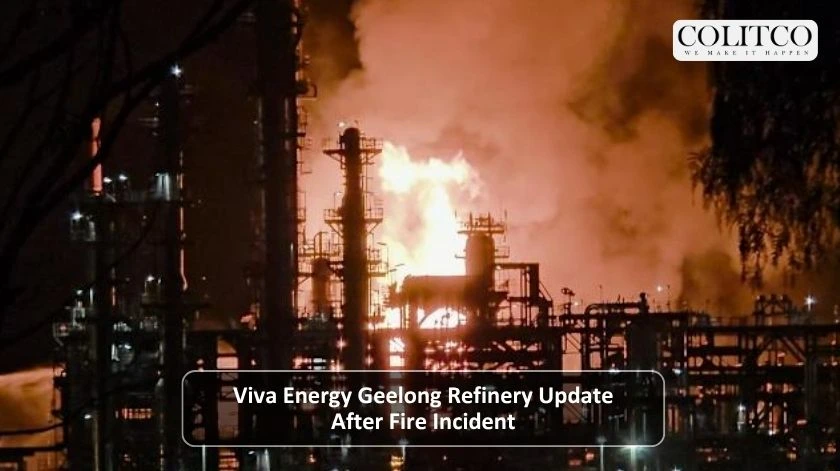
Viva Energy has provided a new update in the wake of the Geelong Refinery fire on 15 April 2026. The company is steadily moving towards recovery work. Safety and regulated restoration of affected units are some of the priorities that operations teams are putting.
The Alkylation unit is kept isolated to be inspected and planned to be repaired. Preliminary reports indicate that there are no significant barriers to the resumption of key refinery operations. The company is still concerned with ensuring that there is continuity in supply in Australia.
The recovery timeline has been closely followed by the market observers. The update gives an insight into what is expected in production and the time required to repair. The refinery is important to the stability of fuel supply in the region.
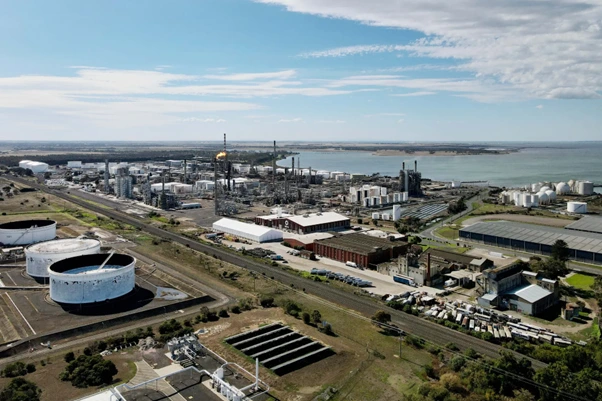
Geelong Refinery operations continue under controlled recovery measures after the April incident. [Courtesy: Bloomberg]
What Happened During The Geelong Refinery Fire Incident
This fire took place on 15 April 2026 at the Geelong Refinery plant. The accident had a serious effect on the Alkylation unit. This unit is very important in purifying high-octane petrol constituents.
After the incident, emergency response units put the area under control. The company soon started implementing safety measures and operational shutdown measures. The investigations started as soon as possible to find out the root cause.
Late operational disturbances were not reported in other units other than the affected one. The response of the company was to avoid escalation and safeguard the infrastructure around. This accident resulted in a thorough inspection of refinery systems and safety measures in the future.
Why The RCCU Restart Is Critical For Production Recovery
A smooth restart of the RCCU is central to restoring refinery efficiency and market balance. Key highlights include:
- The Residue Catalytic Cracking Unit remains the core driver of recovery, converting heavy residues into high-value refined fuels.
- Viva Energy confirmed that restart preparations are progressing, with inspections and preparatory works advancing without delays.
- Repairs to impacted systems are expected to take approximately six weeks, supporting a targeted restart timeline.
- The company anticipates the RCCU will resume operations during June, marking a key operational milestone.
- Production levels are expected to rise sharply post-restart, helping restore normal refinery throughput.
- Market analysts view this restart as critical for supply stability, with potential easing of pricing pressures.
Where The Recovery Efforts Are Focused Within The Refinery
The focused area of recovery efforts is still in the affected area of the zone of the Alkylation unit. Engineers are separating the unit from the larger refinery network. This isolation provides safe inspection and repair operations.
Further emphasis is laid on related systems that are connected to the RCCU. The teams are undertaking structural and mechanical evaluations on the infrastructures that are affected. The refinery is operating partially in the uninfected regions.
This gives the opportunity to produce the important fuels in the course of recovery. The company is ensuring that it is adhering to safety compliance during the process. The recovery operations are meant to ensure that the downtime is minimised and the operational integrity of the whole facility is maintained.
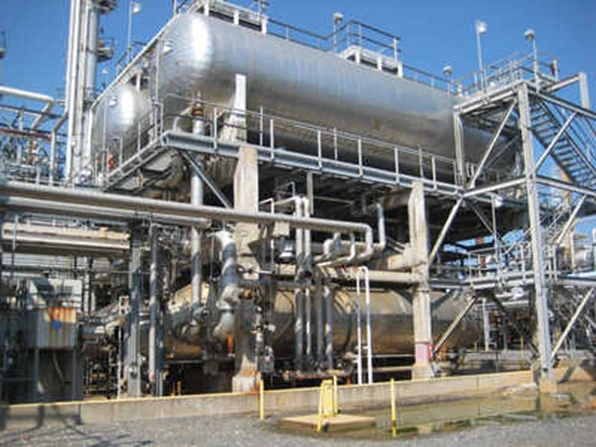
Engineers focus on Alkylation unit repairs within isolated refinery sections. [Courtesy: Phoenix Equipment]
When Will Production Return To Normal Levels
Viva Energy anticipates a recovery plan to be implemented on a phased basis over the next few weeks. It will be about six weeks to repair the RCCU to restart. The unit will likely restart its activities in June 2026.
Following a restart, production should exceed 90% of total capacity. The actual production is still lower because the RCCU was offline. Production of diesel and jet fuel remains at around 80% capacity. Production of petrol is also at a lower point, at around 60 percent.
These provisional levels will be expected to improve over time. The final inspections and successful system integration will determine the full operational capacity.
How Viva Energy Is Managing Fuel Supply Stability
The company has assured adequate levels in terms of fuel stock to handle the low level of production. Its customer network is stable in its supply chains. Viva Energy anticipates that there will be a normal fuel supply throughout the recovery period.
This stability is assisted by strategic inventory management. There is no breakdown of distribution networks. The company is liaising well with partners and suppliers. This will make sure that there is always demand for diesel, petrol, and jet fuel.
It is this assurance that continues to support market confidence. The update underscores how the company managed to stay resilient and handle operational issues without jeopardizing the continuity of supplies.
Production Capacity Impact And Interim Output Levels
Although the RCCU is still offline, the production capacity has been modified. Production of diesel and jet fuel is operating at around 80 per cent capacity. The petrol production is currently at about 60 per cent.
These levels indicate the lack of contribution of the Alkylation unit. The company is focusing on fuel classes with high demand. This will serve to balance supply in key sectors. After RCCU restarts, the output will be increased to more than 90% capacity.
This is an important milestone in the recovery in order to achieve full production efficiency. Such interim measures are expected to cause minimal disruption to long-term supply owing to these interim measures.
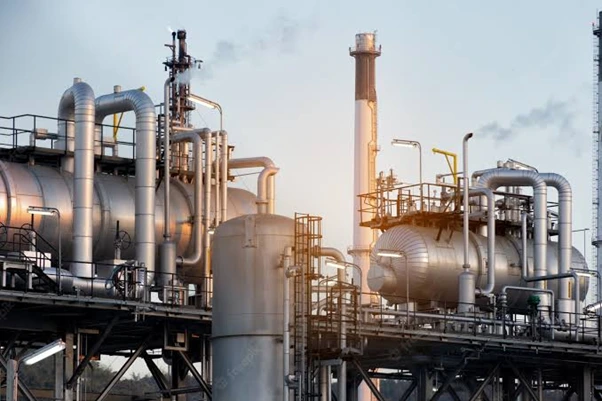
Refinery output continues at reduced levels while key units undergo repairs. [Courtesy: Dombor Valve]
Ongoing Investigation Into The Cause Of The Incident
Viva Energy is still in the process of investigating the root cause of the fire. The company is undertaking a complete technical audit. The investigation can be assisted by outside specialists.
This is aimed at establishing factors that contribute to it and avoiding its recurrence. Improved safety is likely to follow depending on the findings. The preliminary conclusions have not been announced by the company yet.
The level of transparency is also significant in terms of the confidence of the stakeholders. Findings can also be subject to review by regulatory bodies once available. The research will influence future working standards and safety improvements in refinery systems.
Insurance Engagement And Financial Considerations
The company has been able to interact with insurers after the incident. Coverage is offered on property damage and business interruption claims. The financial assessments are being conducted in tandem with repair evaluations.
This could be compensated by insurance assistance on certain losses incurred in its operations. It will cover the extent to be determined by final damage reports. Players in the market are taking keen note of the possible financial effects.
The cost estimates are yet to be announced by the company. Investors are waiting to have additional information on recovery costs. Engagement in insurance acts as a cushion against the financial burden that may occur when one gets into an accident.
Market Outlook And Industry Implications
The Geelong Refinery is crucial in the fuel industry of Australia. Short-term supply reactions might be affected by temporary shortfalls in production. But, sustained fuel reserves lower short-term market demand.
The anticipated June restart favours a steady prospect. The response is considered to be effective and timely by the industry stakeholders. The incident highlights the importance of refinery resilience.
It further highlights the importance of effective safety mechanisms. The effects in the long term are likely to be still minimal. Clear communication and planned recovery under Viva Energy support market confidence.
Also Read: Viva Energy Appoints Teresa Rendo as CEO of Convenience and Mobility
FAQs
Q1: What caused the Geelong Refinery fire?
A1: The exact cause remains under investigation. The incident occurred on 15 April 2026 and impacted the Alkylation unit.
Q2: When will the refinery return to full capacity?
A2: The RCCU is expected to restart in June. Production should exceed 90% capacity after repairs.
Q3: How much production is currently affected?
A3: Diesel and jet fuel operate at approximately 80% capacity. Petrol production is around 60%.
Q4: Will fuel supply be disrupted in Australia?
A4: No major disruption is expected. Viva Energy confirmed sufficient stocks to maintain normal supply.
Disclaimer
This article is based on publicly available company updates and recent disclosures. It does not constitute financial or investment advice. Readers should verify details independently before making decisions. Market conditions may change rapidly, affecting the outcomes discussed. The information reflects the situation at the time of writing and may be updated by the company without prior notice.
Source Links