
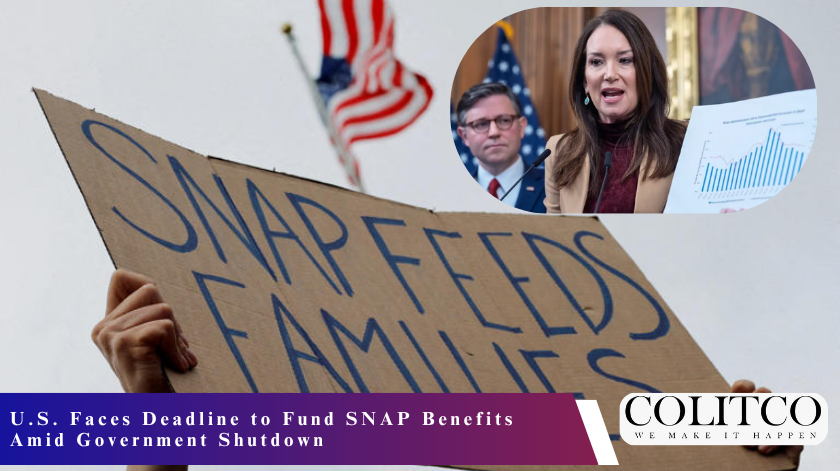
The United States government faces a critical deadline to address SNAP benefits deadline 2025. The reason is that the government shutdown persists, and millions of Americans need food aid due to the financial crisis and unemployment. Therefore, protecting people’s ability to purchase groceries and other essential products over the next few weeks is crucial.
Figure 1: SNAP food assistance program graphic.
SNAP benefits are typically provided at the beginning of every month, and any delay can quickly leave a large number of households in financial strain, as most beneficiaries have limited budgets. The expected delay has created both administrative and logistical problems with fund allocation, and there is still a question regarding November disbursements. The initiative offers food security to families/individuals belonging to low-income households and is generally considered essential for the country’s social welfare. Specifically, more than 40 million people across the country use SNAP benefits, and the programme costs approximately USD 8 billion per month nationally.
Federal Court Intervention in the SNAP Program Government Shutdown
Furthermore, various federal courts have issued opinions regarding the suspension or postponement of SNAP payments during a funding pause. On Friday, 31 October 2025, U.S. District Judge John McConnell of Rhode Island and U.S. District Judge Indira Talwani of Massachusetts issued separate rulings. According to the statutory authority, the ruling also instructed the administration to exercise legally permissible options.
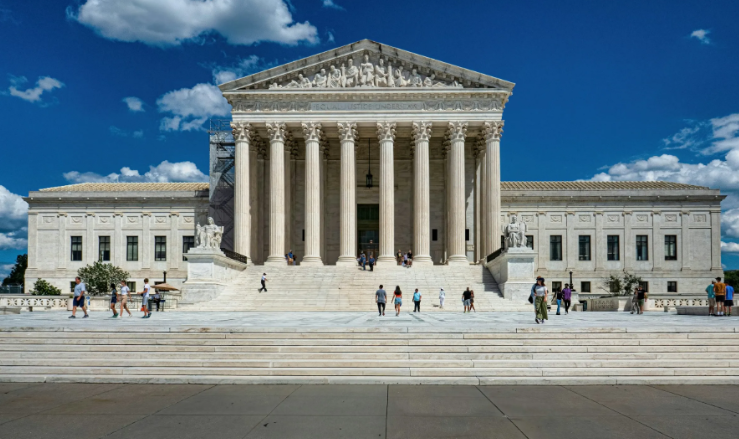
Figure 2: U.S. federal courthouse exterior.
Moreover, they clarified that contingency cash provided by an appropriation grants the amount to complete its obligations in the absence of plain authorisation. The court cited prior advice that such funds may be utilised for financially restricted periods to fill in funding silences. The complainants stated that stopping payments might hamper food security and citizens’ well-being, especially for families living under or above the poverty line.
Funding Challenges Affecting Food Aid Funding
Government agencies have acknowledged that the available reserves are insufficient to meet the nationwide monthly programme’s costs. The U.S. Department of Agriculture (USDA) has a USD 5 billion contingency fund for the programme, but the Trump administration reversed an earlier agency plan to use that money to keep SNAP running. Although the contingency sources could be briefly utilised to fill in for stoppages, they were not set up to underwrite continuous operations during prolonged suspension periods. This forces agencies to consider legal mandates, practical constraints, and funding options.
Growing State-level Impact of the SNAP Benefits Deadline 2025
As the SNAP program government shutdown persists, the need for emergency food aid has escalated in regions. Food banks and national charitable groups have reported increased visitor numbers, with major charitable networks reporting that the usual pace at which current inventories are depleted is being exceeded. To keep pace, volunteers have extended operating hours, and rationing systems have been implemented in several distribution centres to guarantee equitable access.
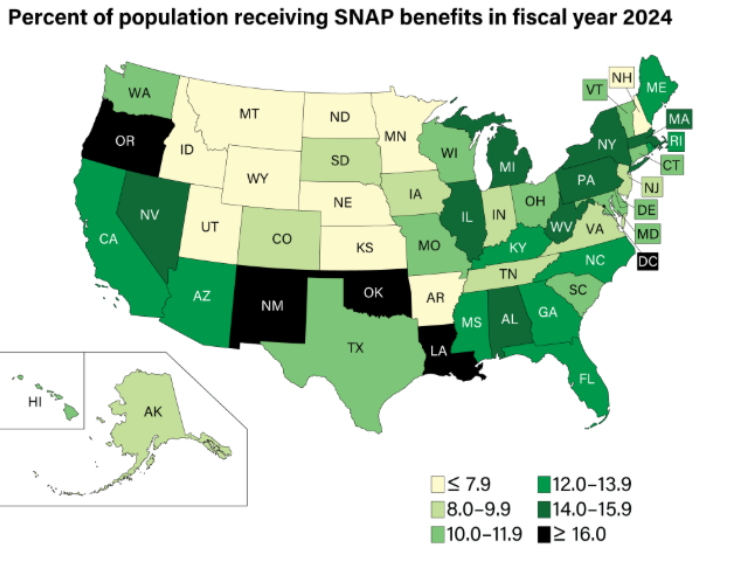
Figure 3: State-wise SNAP beneficiary percentages for fiscal year 2024.
State authorities have also indicated that the continuation of uncertainty threatens the stability of local food systems. SNAP is an integral part of anti-poverty efforts in several states, and there is a systemic impact of disruptions on family nutrition, academic retention, and health outcomes. Last year, SNAP assisted nearly 42 million people, about two-thirds of whom were families with children.
Strain on Support Networks Linked to USDA Food Aid Funding
Most of these causes so far have only raised concerns, but charitable organisations are already reporting that they are approaching capacity. Meanwhile, in some places, the operation of USDA food aid funding emergency distribution centres has been completely disrupted by supply shortages caused by a sharp increase in demand.
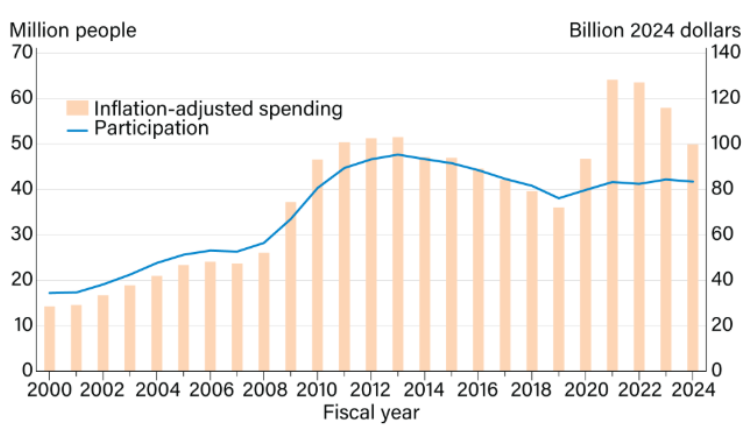
Figure 4: SNAP participation and inflation-adjusted spending, 2000–2024.
Thus, SNAP program government shutdown situations show how quickly pressure can accumulate if federal programs are cancelled. In any case, all participants in the food field will agree on one thing. As the conversation about the necessity of organising additional state contingency systems became relevant with renewed vigour.
Political and Legal Outlook for the SNAP Programme
Federal officials argue that some of the reserves are historically planned for use in emergency spending, such as natural disasters. However, legal observers point out that previous administrations have used similar funds to sustain USDA food aid funding for nutrition assistance during appropriations gaps.
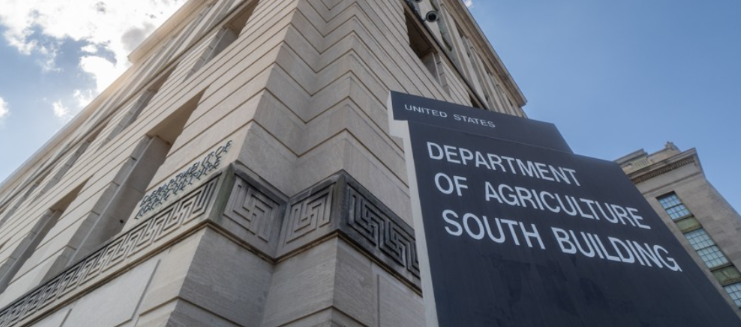
Figure 5: U.S. Department of Agriculture South Building.
Current constitutional examinations are expected to influence how federal administrative divisions construe their power to withhold and use backups in subsequent shutdowns. Judge McConnell ordered the administration to make a full SNAP payment by the end of Monday, 03 November 2025, or a partial payment by Wednesday, 05 November 2025. Though the court has not enforced critical restrictions on the executive, they have reiterated that legally accessible accounts must be utilised before reductions are considered.
Legislative Efforts to Prevent Nutrition Programme Disruptions
Several lawmakers have suggested standalone legislation to temporarily fund nutrition programmes independently of broader budget negotiations. It is because people worry about how the wave of interruptions can harm families’ budgets, increase healthcare expenditure, and depress local economies. However, the timing remains uncertain with other legislated needs and no indication that Congress will speed up to pass, while there are no agreements on either side.
Policy experts have explained how nutrition assistance functions as an economic bandage, reducing demand for retailers, logistics networks, and produce vendors. If the benefits of USDA food aid funding are interrupted, this can affect local communities, reducing the demand for perishable goods and boosting waste.
How SNAP Payment Delays Influence Diet and Public Health?
There are measurable improvements in childhood nutrition, educational outcomes, and overall household stability associated with the SNAP benefits deadline 2025. Disruptions that result in a decrease in the value of benefits paid into a household can lead to underconsumption of fresh produce and an increase in the proportion of calories consumed from low-cost processed foods and expansion of food insecurity.
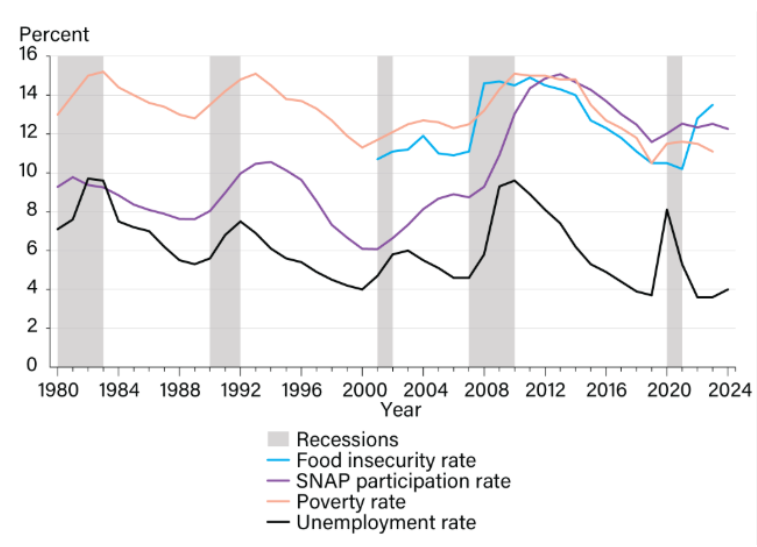
Figure 6: SNAP participation, poverty, unemployment, and food insecurity trends, 1980–2024.
Moreover, the SNAP program government shutdown-like scenario can affect public health and may further stress healthcare systems. Since households receiving SNAP have limited savings, they are particularly sensitive to timing changes. Even a short delay can alter dietary behaviours, meal frequencies, and purchasing choices.
Looking Ahead as the SNAP Benefits Deadline 2025 Approaches
As the SNAP benefits deadline 2025 approaches, federal agencies are subject to enforcement action. Negotiations are expected to take place, as well as administrative appeals. Government delays on funding have yet to show any immediate signs of being solved, so uncertainty might be long-lasting. Food security has a substantial impact on health and quality of life. The dangers are definite, quantifiable, and present at kitchen tables across the nation.


