

Australia’s financial intelligence agency, AUSTRAC, has intensified its review of cryptocurrency firms operating across the country. The agency is preparing the industry for a sweeping overhaul of anti-money laundering and counter-terrorism financing rules. Regulators have made clear that compliance expectations are already active, not future obligations.
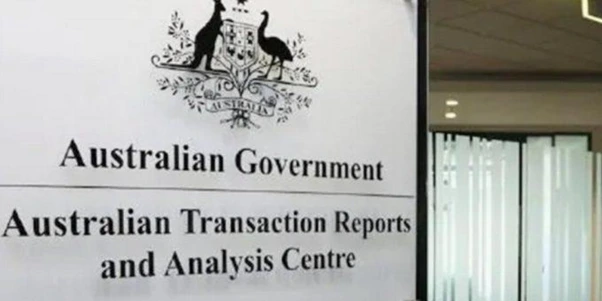
AUSTRAC is increasing oversight of Australia’s crypto sector ahead of major compliance deadlines in 2026. [Linkedin]
The reviews target digital currency exchanges, virtual asset service providers (VASPs), and cash-intensive businesses. AUSTRAC identified these sectors as priority risk areas in its 2025–26 regulatory agenda. Enforcement actions have followed.
What Triggered the Regulatory Crackdown
AUSTRAC released its regulatory priorities for the 2025–26 financial year in July 2025. The agency flagged the digital currency exchange sector and virtual asset service providers as requiring stronger risk management. That assessment quickly translated into targeted enforcement.
The Australian government also announced plans to grant the AUSTRAC CEO new powers. These powers would allow the agency’s chief to restrict or ban high-risk products, services, and delivery channels outright. The proposal specifically targets financial crime risks linked to products such as crypto ATMs.

AUSTRAC introduced tighter transaction limits and identity checks for crypto ATM users across Australia. [ABC News]
AUSTRAC CEO Brendan Thomas addressed the threat directly, stating that older Australians remain most at risk. He noted that this demographic makes up 72 percent of crypto ATM users. In response, AUSTRAC capped cash transactions at crypto ATMs at AU$5,000 and tightened identity verification requirements.
The Two Regulatory Timelines Crypto Firms Must Track
Australian crypto firms now face two separate but overlapping regulatory deadlines. The first involves AUSTRAC’s anti-money laundering and counter-terrorism financing obligations. The second involves licensing requirements under ASIC’s Digital Assets Framework, which takes effect in April 2027.
AUSTRAC’s obligations are live now. Firms cannot treat the April 2027 ASIC deadline as their starting point for compliance preparation. Transaction monitoring is mandatory. Compliance officers must be in place. The Travel Rule takes effect on 1 July 2026.
The long-standing “digital currency exchange” label is also being retired. Australia is replacing it with the internationally recognised term “virtual asset service provider,” or VASP. This shift aligns Australia with global Financial Action Task Force (FATF) standards.
Critical AUSTRAC Compliance Deadlines for 2026
The compliance calendar is already running. On 31 March 2026, digital asset businesses became required to register with AUSTRAC and establish formal anti-money laundering programs. Firms that missed this date risk operating unlawfully.
By 30 May 2026, all reporting entities must have notified AUSTRAC of their appointed compliance officer. AUSTRAC expects this officer to be fully operational by 1 July 2026. The agency views this appointment as a foundational governance requirement, not an administrative formality.
From 1 July 2026, the Travel Rule becomes enforceable. Every VASP operating in Australia must transmit originator and beneficiary data with each transfer. Firms must also conduct due diligence on counterpart VASPs and implement risk-based policies for self-hosted wallet transfers. Registration closes on 29 July 2026. After that date, operating without registration becomes illegal.
Self-Hosted Wallets Draw Special Attention
Transfers involving unverified self-hosted wallets carry specific reporting obligations. Firms providing services linked to these wallets must notify AUSTRAC within 10 business days. This is not a one-time notification requirement.

Self-hosted wallet transfers now carry additional reporting and due diligence obligations under AUSTRAC rules. [Freepik]
Regulators expect firms to embed this trigger into their compliance policies before July 1. Failure to do so constitutes an ongoing breach, not a procedural oversight. Compliance technology providers have flagged this requirement as one of the most operationally demanding aspects of the new framework.
ASIC Adds Licensing Pressure With June Deadline
While AUSTRAC manages the AML/CTF side, ASIC is enforcing its own deadline simultaneously. Existing crypto firms dealing in financial products must lodge a complete Australian Financial Services Licence application by 30 June 2026. Missing this deadline removes ASIC’s no-action protection and exposes firms to immediate enforcement.

ASIC’s Digital Assets Framework will require qualifying crypto firms to obtain an Australian Financial Services Licence. [The West Australian]
The Digital Assets Framework Bill 2025 requires Digital Asset Platforms and Tokenised Custody Platforms to hold an AFSL. This brings crypto businesses under the same licensing obligations that govern traditional financial services firms. ASIC has been clear that blockchain is simply new infrastructure for existing financial services — not a category exempt from oversight.
Penalties for non-compliance are significant. Firms that breach the new rules face fines of up to 10 percent of their annual turnover. Smaller operators with less than AU$5,000 held per customer and under AU$10 million in annual transactions qualify for exemptions from the licensing requirements.
De-Banking Issue Surfaces in Regulatory Debate
Australian crypto firms have long struggled to maintain banking relationships. Financial institutions frequently ended those relationships, citing regulatory uncertainty around digital asset businesses. The new framework directly addresses this problem.
Once a firm holds an AFSL and operates under ASIC supervision, banks lose much of the justification they previously used to cut ties. A clearer legal status for licensed crypto businesses is expected to stabilise banking access across the industry. Whether banks respond accordingly remains to be seen.
What Comes Next for the Industry
AUSTRAC’s regulatory posture in 2026 is expected to grow more targeted. The agency will focus on digital assets, cash-intensive operations, and complex transfer arrangements. Firms that have not yet built out their compliance infrastructure face growing exposure.
ASIC will finalise its Regulatory Guide and licensing standards by early 2027. AFSL applications will open shortly after. Industry participants are encouraged to engage in the ongoing consultation process. Those who participate in shaping the standards will be better positioned to meet them.
The window for informal compliance is closing. Australian crypto firms that are not actively preparing now risk being caught on the wrong side of enforcement when the final deadlines arrive.
Also Read: What Do TPG Telecom’s 2026 AGM Changes Mean for Investors?
FAQS
Q1. What is AUSTRAC’s main focus in the crypto sector for 2026?
A1. AUSTRAC is focusing on strengthening anti-money laundering (AML) and counter-terrorism financing (CTF) compliance across Australia’s crypto industry. The regulator is closely reviewing virtual asset service providers (VASPs), digital currency exchanges, and cash-intensive businesses considered high-risk for financial crime exposure.
Q2. When does the Travel Rule become mandatory in Australia?
A2. The Travel Rule becomes enforceable from 1 July 2026. From that date, Australian VASPs must transmit originator and beneficiary information alongside digital asset transfers and conduct due diligence on counterpart VASPs.
Q3. What happens if a crypto business fails to register with AUSTRAC?
A3. Businesses operating without AUSTRAC registration after 29 July 2026 may be considered to be operating unlawfully. Firms could face enforcement action, penalties, or restrictions on their activities.
Q4. Why are crypto ATMs receiving extra scrutiny?
A4. AUSTRAC identified crypto ATMs as a potential financial crime risk, particularly for scams targeting older Australians. The agency introduced a AU$5,000 cash transaction cap and stricter identity verification requirements to reduce misuse.
Q5. What is the difference between AUSTRAC and ASIC oversight?
A5. AUSTRAC oversees AML/CTF compliance obligations, including transaction monitoring and reporting requirements. Australian Securities and Investments Commission (ASIC) manages licensing and financial services regulation under the Digital Assets Framework.
Q6. What is a VASP?
A6. A VASP, or virtual asset service provider, is the internationally recognised term for businesses offering crypto-related services such as exchanges, custody, or transfers. Australia is replacing the older “digital currency exchange” label with VASP terminology to align with global FATF standards.
Q7. What are the penalties for non-compliance under the new framework?
A7. Firms that breach the new licensing or AML obligations could face penalties of up to 10 percent of annual turnover. Enforcement risks increase after the key 2026 compliance deadlines pass.
Q8. Why is the AFSL deadline important for crypto firms?
A8. Crypto businesses dealing in financial products must lodge a complete Australian Financial Services Licence (AFSL) application by 30 June 2026 to retain ASIC’s no-action protection. Missing the deadline could expose firms to immediate regulatory action.
Q9. How do the new rules affect self-hosted wallets?
A9. Transfers involving unverified self-hosted wallets require additional reporting obligations. Firms must notify AUSTRAC within 10 business days and integrate these checks into their ongoing compliance frameworks.
Q10. Could the new regulations improve banking access for crypto companies?
A10. Potentially, yes. The new licensing framework aims to provide clearer legal status for compliant crypto firms. This may reduce “de-banking” issues where banks previously cut ties due to regulatory uncertainty.
Disclaimer
This article is published by Colitco for informational and educational purposes only and should not be considered financial, legal, regulatory, or investment advice. While every effort has been made to ensure accuracy at the time of publication, cryptocurrency regulations and compliance requirements in Australia may change without notice. Readers should consult official guidance from Australian Transaction Reports and Analysis Centre (AUSTRAC) and Australian Securities and Investments Commission (ASIC), or seek independent professional advice before making any financial, legal, or business decisions related to digital assets, crypto compliance, or investment activities.
Sources
https://www.chainalysis.com/blog/australia-crypto-crossroads-2026/


