
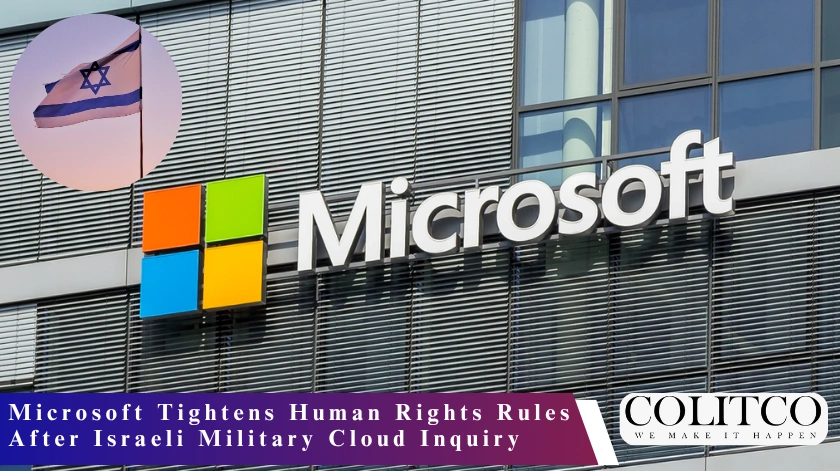
Microsoft has closed a formal review into how the Israeli military used its cloud services. The company now plans to strengthen its human rights oversight across national security contracts.
The review began last year after a joint investigation by The Guardian, +972 Magazine, and Local Call broke the story. Those reports showed the Israeli military used Microsoft’s cloud to store millions of intercepted Palestinian phone calls.

Photo: Getty Images
Microsoft said its “factual findings remain the same” and will now act on recommendations to improve the “effectiveness of our human rights governance.” The company called the latest announcement a “final update” on the matter.
What Investigators Found About Unit 8200
The Guardian’s reporting identified Unit 8200, an Israeli military intelligence unit, as the key actor. Unit 8200 used Microsoft’s Azure cloud platform to build a large-scale surveillance system. The system let officers collect, play back, and review the content of millions of Palestinian mobile phone calls every day.
Microsoft’s review found that Unit 8200 broke the company’s terms of service. Those terms bar customers from using its technology to carry out mass surveillance. Microsoft cut off Unit 8200’s access to its cloud storage and AI services after that finding.
Sources said the intercepted call data was held in a Microsoft data center in the Netherlands. After The Guardian published its findings, Unit 8200 moved the data out of the country within days. Reports indicate the unit planned to shift the data to Amazon Web Services.
New Controls Microsoft Plans to Put in Place
Microsoft laid out its new measures in a five-page summary. The company said it will improve how it reviews contracts with national security agencies before signing them. A dedicated team is now working to make that process more effective.
The company also plans regular checks to confirm that customers follow its acceptable use policies. Those checks will apply when there are “new political circumstances or changes to sensitive projects.” Microsoft will pay closer attention to clients in conflict zones and high-risk areas.
On top of that, Microsoft will review how it handles employee security clearances in certain countries. The company said it will help staff understand how to manage those clearances while working for Microsoft. Workers have been encouraged to report concerns, even through anonymous channels.
Key Leaders Exit Microsoft Israel
The inquiry triggered a wave of departures at Microsoft’s Israeli branch. Alon Haimovich, the general manager of Microsoft Israel, stepped down from his role. Several other managers also left during the course of the review.
Microsoft did not publicly connect those exits to specific findings from the inquiry. The five-page summary released by the company makes no mention of the departures at all.
The review did look into concerns that some Israel-based Microsoft employees were not honest with headquarters. Specifically, investigators examined whether those employees had hidden what they knew about how Unit 8200 used Azure.
Protests and Internal Tension at Microsoft
The inquiry took place against a backdrop of growing unrest inside the company. Sources said investigators looked at how some Tel Aviv-based staff felt torn between their duties to Microsoft and their personal support for the Israeli military after the Hamas-led attacks on October 7.
Demonstrations took place at Microsoft headquarters in the USA and at one of Microsoft’s data centres in Europe. Shareholders, NGOs, and No Azure for Apartheid were amongst those urging Microsoft to clarify its involvement with the Israeli military.
In December, shareholders voted down a proposal that called on Microsoft to review the strength of its human rights processes. That vote drew sharp criticism from activist organizations.
Other Tech Giants Also Face Scrutiny
Microsoft is just one of the businesses criticized in their dealings for their defense contracts. The Electronic Frontier Foundation, in May 2016, signed on to an open letter from Access Now, Amnesty International, Fight for the Future, and 7amleh to the top brass at Microsoft, asking that Microsoft release all of its findings and terminate its relationship with clients that engage in serious human rights violations.
Additionally, Google, Lockheed Martin, Booz Allen Hamilton, and Palantir have all faced condemnation in regard to their defense contracts with Israel. This latest bout with the Microsoft protest is not entirely new in the discussion of what companies owe in a conflict.
Protesters converged at Microsoft’s conference this week in San Francisco, where they wielded signs that read “Microsoft powers genocide” and “cut ties with Israel now.” They have faced criticism just days before the final update of their inquiry is released.
Also Read: Data Centers Could Push Power Bills Up 57% Without Green Energy Growth
FAQs
Q1. What did Microsoft’s inquiry find?
A1. Unit 8200 violated Microsoft’s terms of service by using Azure for mass surveillance of Palestinians.
Q2. What is Unit 8200?
A2. Unit 8200 is an Israeli military intelligence unit equivalent to the US National Security Agency.
Q3. Did Microsoft cut off Israel’s access?
A3. Yes. Microsoft terminated Unit 8200’s access to its cloud storage and AI services after the inquiry’s initial findings.
Q4. Who left Microsoft Israel?
A4. General manager Alon Haimovich and several other managers departed Microsoft Israel during the inquiry.
Q5. What changes will Microsoft make?
A5. Microsoft will tighten pre-contract reviews, strengthen human rights checks, and improve oversight of employee security clearances.
Disclaimer
The information provided is not trading advice, Colitco and it’s author holds no liability for any investments made based on the information provided on this page. We strongly recommend independent research and/or consultation with a qualified professional before making any investment decisions.
Sources

Luke Carlino is a seasoned Copywriter, Content Strategist, and Social Media Manager specialising in Mining, Finance, and Business journalism. With more than a decade of industry experience, he brings rigorous editorial standards and commercial acuity to every project.