
Canadians woke up this week to a major affordability pledge that could reshape daily expenses. The proposed gas tax cut by Mark Carney has quickly become one of the most talked-about policy moves in the country.
As fuel prices continue to strain household budgets, Mark Carney has stepped forward with a plan that targets one of the most visible costs for families and businesses alike, fuel.
The announcement signals a shift in how the government plans to tackle inflation and rising living costs. It also raises questions about long-term fiscal policy and environmental commitments.

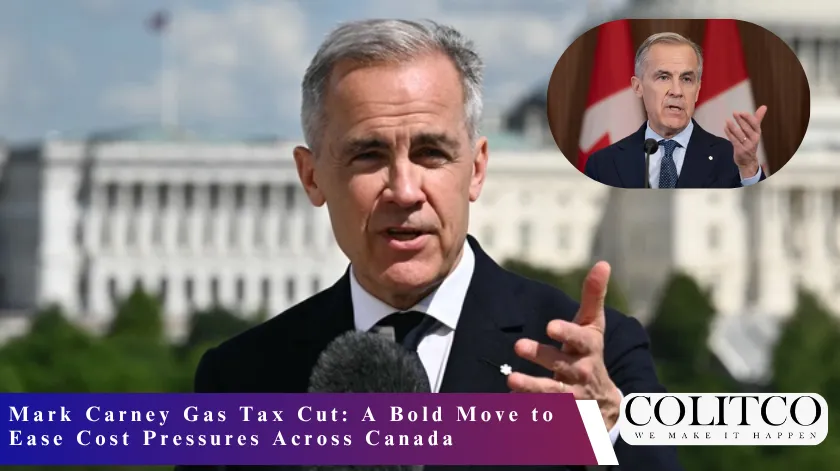
Figure 1: Prime Minister Mark Carney proposes a gas tax cut to ease rising fuel costs, address inflation, and spark debate on fiscal and environmental impacts.
A Direct Response to Rising Costs
The push behind the policy
The Mark Carney gas tax cut comes at a time when Canadians face persistent cost-of-living pressures. Grocery bills remain high. Housing affordability continues to challenge families. Fuel costs add another layer of stress.
Carney framed the fuel tax reduction as an immediate relief measure. He contended that Canadians require immediate assistance, rather than assistance that is delayed for years.
Short-term affordability has become a central political issue. The proposed gas tax in Canada aim to provide quick savings at the pump. For many households, even a small drop in fuel prices can make a noticeable difference.
How the cut works
The plan focuses on suspending or reducing specific fuel-related taxes. This includes federal levies that directly influence pump prices.
Carney’s team has suggested that the policy would remain temporary. However, the timeline may depend on economic conditions and inflation trends.
By targeting fuel taxes, the government hopes to lower transportation costs. That effect could ripple through supply chains and reduce prices for goods and services.
Economic Implications of the Mark Carney Gas Tax Cut
Relief for households and businesses
The Mark Carney gas tax cut could offer immediate financial relief. Drivers would see lower costs when filling up. Businesses that rely on transportation could also benefit.
Trucking companies, delivery services, and agricultural operators stand to gain. Lower fuel costs could reduce operating expenses and improve margins.
This relief could support consumer spending. When people save money on fuel, they often redirect it to other areas of the economy.
Concerns from economists
Not everyone supports the move without reservations. Some economists warn that cutting fuel taxes may reduce government revenue at a critical time.
Public spending remains high. Infrastructure, healthcare, and climate initiatives require consistent funding. A drop in tax income could complicate those commitments.
Others point out that lower fuel prices might increase consumption. That outcome could conflict with Canada’s emissions reduction goals.
Still, Carney has argued that the policy balances immediate needs with long-term strategy. He maintains that affordability must come first.
Political Strategy and Public Reaction
A calculated move
The Mark Carney gas tax cut reflects more than economic policy. It also carries political weight.
Carney has positioned himself as a leader who understands financial systems and everyday struggles. His background in central banking adds credibility to his approach.
The decision to focus on the gas tax in Canada resonates with voters across provinces. Rural communities, in particular, rely heavily on vehicles and fuel.
Mixed reactions across the country
Public response has varied. Many Canadians welcome the idea of lower fuel costs. Social media discussions highlight frustration with current prices and enthusiasm for relief.
However, environmental groups have raised concerns. They argue that reducing fuel taxes could slow progress on climate targets.
Some critics also question whether oil companies might absorb the savings instead of passing them on to consumers. That issue remains a key point of debate.
Impact on Inflation and the Bank of Canada
Inflationary pressures
The Mark Carney gas tax cut could influence inflation in several ways. Lower fuel costs may reduce transportation expenses. That change could help stabilise prices for goods.
Economists often link fuel prices to broader inflation trends. When energy costs drop, inflation can ease.
However, the overall impact depends on how businesses respond. If companies pass savings to consumers, the effect could be positive.
Central bank considerations
The Bank of Canada will likely monitor the situation closely. Monetary policy decisions rely heavily on inflation data.
If the gas tax cut reduces inflation, it could affect interest rate decisions. Lower inflation might create room for rate adjustments in the future.
At the same time, reduced government revenue could influence fiscal policy. Coordination between monetary and fiscal strategies will remain crucial.
Broader Economic Context
Global influences
Fuel prices do not exist in isolation. Global oil markets, geopolitical tensions, and supply disruptions all play a role.
Recent developments in energy markets have contributed to price volatility. These factors add urgency to domestic policy responses like the Mark Carney gas tax cut.
Canada must navigate both internal and external pressures. The gas tax policy represents one piece of a larger economic puzzle.
Industry perspective
Energy companies and industry groups have responded cautiously. Some support measures that stabilise demand. Others worry about long-term policy consistency.
Businesses prefer predictable frameworks. Sudden tax changes can create uncertainty, especially in capital-intensive sectors.
Still, many industry players acknowledge the need for short-term relief.
What It Means for Canadians
Everyday impact
For the average Canadian, the Mark Carney gas tax cut translates into one key outcome—lower costs at the pump.
Commuters could save money each week. Families may find it easier to manage monthly budgets. Small businesses could see improved cash flow.
These changes may seem incremental, but they add up over time.
Long-term considerations
The long-term effects remain uncertain. Temporary tax cuts often raise questions about sustainability.
Will the government reintroduce the taxes later? How will it balance lost revenue? These questions will shape future debates.
Carney has emphasised that the policy forms part of a broader affordability plan. He aims to combine immediate relief with structural reforms.
Internal Industry Developments to Watch
While the Mark Carney gas tax cut dominates headlines, other sectors continue to evolve.
For instance, developments in mining and technology highlight broader economic shifts. Readers can explore related updates such as St Barbara Touquoy restart permit approved and Nvidia quantum threat D-Wave power efficiency warning.
These stories reflect how different industries respond to changing economic conditions.
The Road Ahead
The Mark Carney gas tax cut marks a significant moment in Canada’s economic policy landscape. It addresses immediate concerns while sparking deeper discussions about fiscal priorities and environmental goals.
Canadians will watch closely as the policy unfolds. Its success will depend on execution, market response, and broader economic conditions.
For now, one thing remains clear. The debate around fuel tax, affordability, and economic strategy has entered a new phase.