Holders of BHP Group shares copped an awkward surprise in the latest operational review. The mining giant reported excellent numbers for the June quarter. Management delivered forward guidance that rattled the market. Investors sold off the stock immediately after the announcement.
Let us look at the recent numbers first. Iron ore production hit 68.1 million tonnes for the quarter. This result landed right near the consensus estimate of 68.3 million tonnes.
Copper output also beat market expectations. BHP produced 491.9 kilotonnes of copper during the period. The operations team edged past the 490.6 kilotonne forecast with ease.
Coal operations actually beat estimates outright. The BMA metallurgical coal joint venture in Queensland performed exceptionally well. This asset beat consensus figures by around 14%. The team executed a genuine recovery after Tropical Cyclone Koji.
BHP delivered record iron ore production for the full year. Management also recorded roughly two million tonnes of copper for a second consecutive year. We can deduce that the company does not face a demand problem. The past performance looks incredibly strong across the board.

Fig 1: Mike Henry, Chief Executive Officer, BHP [bhp.com]
Decoding the FY27 BHP Copper Forecast Australia
Trouble started with the outlook for the next financial year. Management guided FY27 copper production to between 1,650 and 1,800 kilotonnes.
This target represents a huge step-down for the miner. BHP will produce over 150 kilotonnes less than the FY26 output. The market hates downward revisions on critical commodities.
You need to understand the February results to see why this stung. Copper contributed 51% of group earnings in the first half of FY26. The metal overtook iron ore as the main profit driver.
Copper became future growth catalyst for the company. This shift justified a higher multiple on BHP shares earlier in the year. Investors scale back that re-rating when growth stalls. The share price drop makes perfect sense in this context.
Brokers at Ord Minnett now model a 12% slide in group copper output year-on-year. The Escondida grade decline drives most of this drop. The outage at Carrapateena also raises execution questions ahead of the upcoming site tour.
Macquarie analysts labelled this a holding year for the Western Australian iron ore business. Production stayed flat at 291 million tonnes. The FY27 guidance remains flat again due to strike risks and maintenance work. Management wants to clear the way for a 305 million tonne target in FY28.
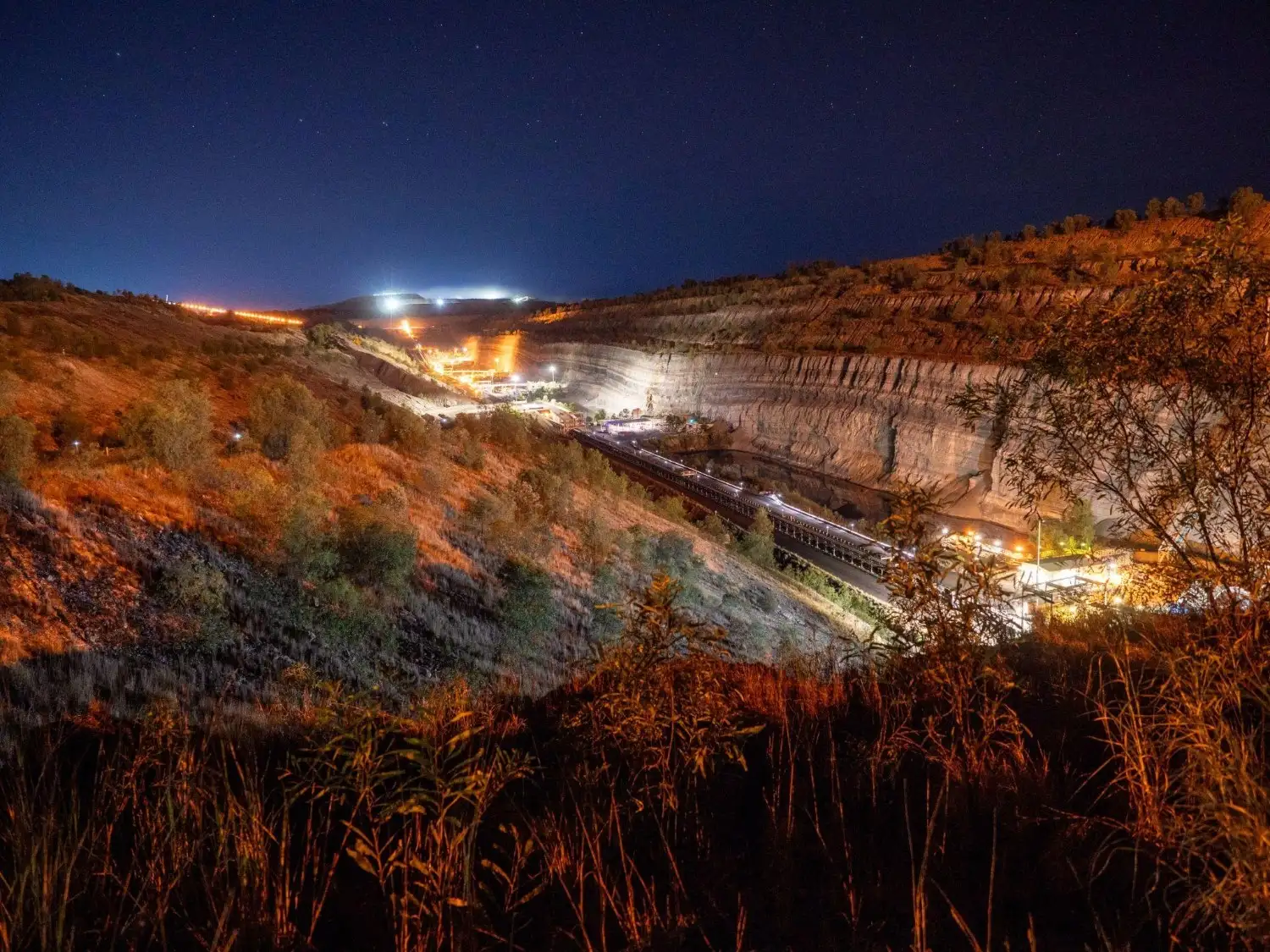
Fig 2: BMA, Australia, Broadmeadow, QLD [bhp.com]
Why Grades Fall: The Reality of Mining
We must look at the reasons behind this soft guidance. The FY27 copper guide reflects lower ore grades across key assets. Management also scheduled significant planned maintenance work.
The feed grade at the Escondida mine will fall. Analysts expect a drop from 0.90% to around 0.70% in FY27.
An unplanned conveyor failure at Carrapateena makes things worse. This mechanical breakdown will cost up to eight weeks of output. BHP also plans to build anode inventory ahead of a smelter shutdown in FY28.
These issues explain most of the production step-down. Grades decline naturally over time in every single mine. Equipment requires maintenance eventually to stay safe.
These events represent ordinary features of mining. They do not signal fundamental flaws in the broader business.
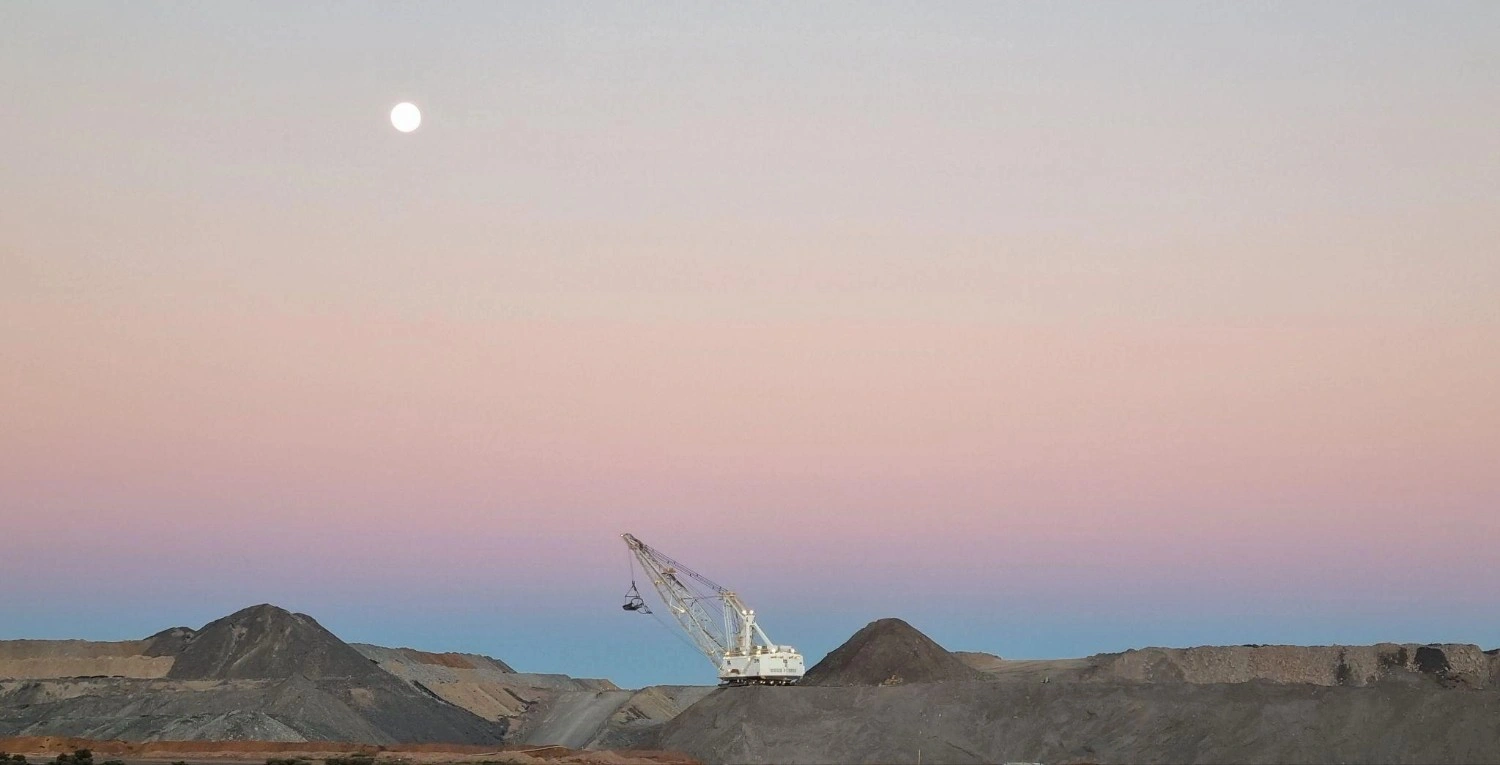
Fig 3: BMA, Australia, Caval Ridge, QLD [bhp.com]
The Balance Sheet Offset
Shareholders still received plenty of good news from the update. BHP strengthened its balance sheet significantly over the half.
Net debt plummeted to roughly $9 billion at the end of June. The company held $14.7 billion in debt just six months earlier. This result marks a 40% debt reduction in half a year.
Asset sales did most of the heavy lifting here. Management secured $5.2 billion from strategic divestments. A US$4.3 billion silver streaming deal covered BHP’s share of Antamina production.
Strong free cash flow handled the remaining debt reduction. BHP maintains a minimum 50% payout ratio on underlying profit.
Financial experts love the current balance sheet. UBS noted that net debt undershot their own $9.5 billion estimate. The asset sales and strong cash flow drove this beat.
Ord Minnett lifted its payout ratio forecast to 70% from 60%. UBS expects the final dividend could beat consensus by 16%. Shareholders will likely reap the rewards of this financial discipline.
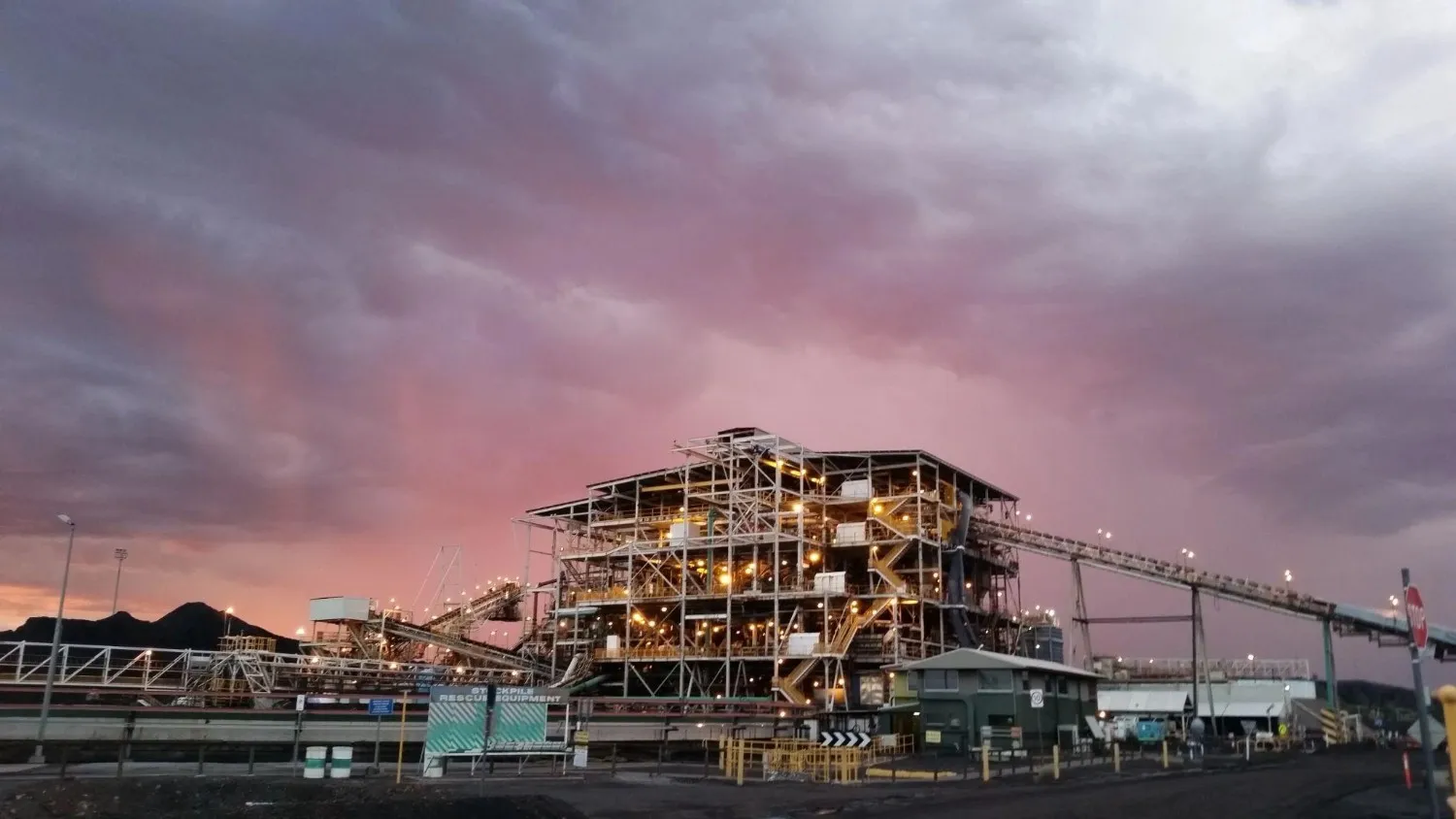
Fig 4: BMA, Australia, Goonyella Riverside, QLD [bhp.com]
BHP Copper Long-Term Opportunities
I refuse to read the soft guidance as a thesis-breaker. The BHP Copper Long-Term Opportunities remain firmly intact for patient investors.
BHP continues to push beyond its traditional iron ore roots. The ASX listed company placed copper at the very centre of its growth strategy.
Look at the Vicuña copper project in Argentina. BHP locked in 40 years of tax certainty under a new government scheme.
Management also applied to restart the mothballed Cerro Colorado mine in Chile. The Copper South Australia assets continue progressing well despite the recent outage.
BHP also looks beyond copper for future growth. The new Jansen mine in Canada marks the first move into potash. The team keeps construction on schedule. Management expects first production from this crop fertiliser project next year.
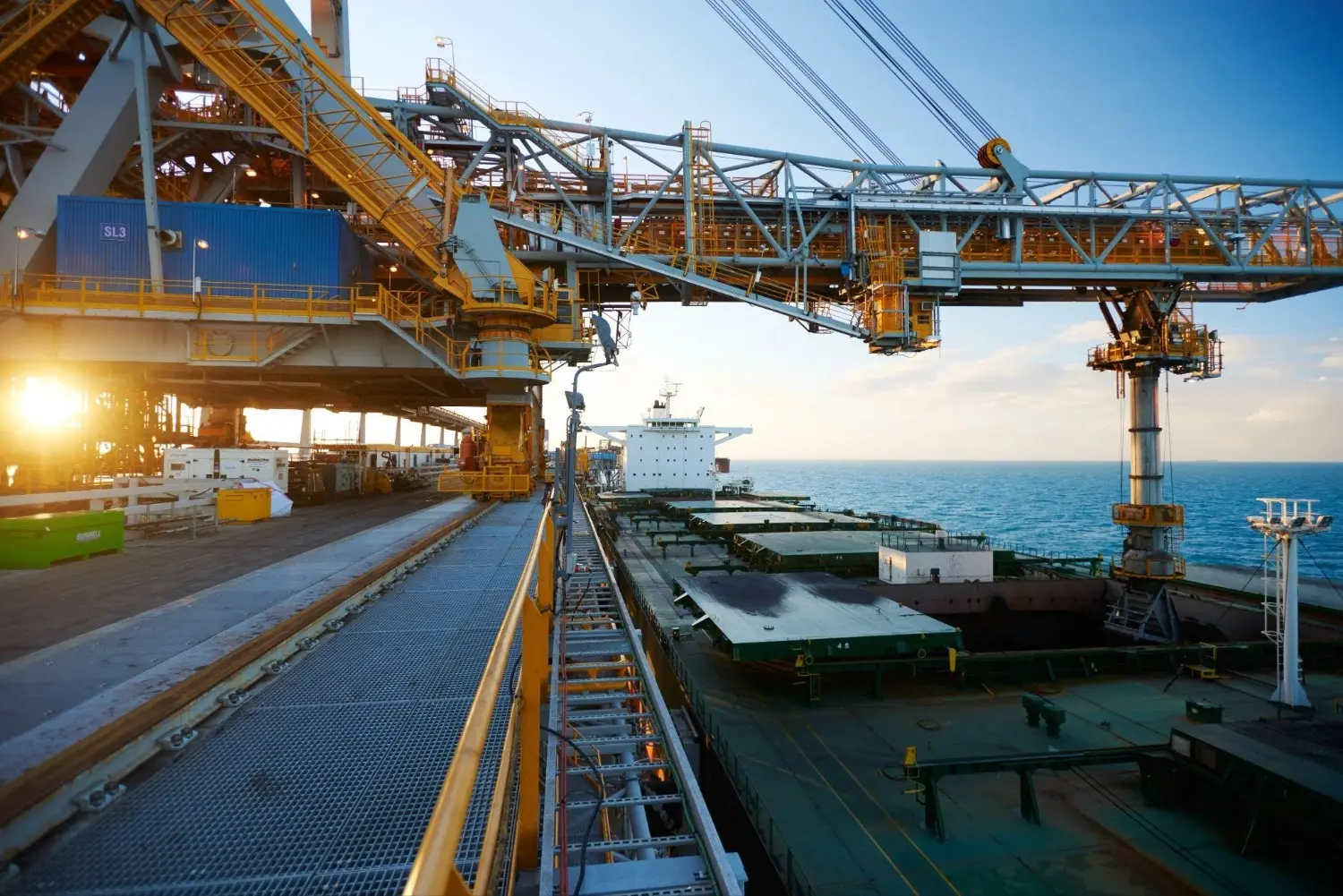
Fig 5: BMA, Australia, Hay Point Coal Terminal, QLD [bhp.com]
BHP and rival Rio Tinto both morph into copper plays right now. Rio Tinto just posted a 43% jump in half-year earnings. Copper drove 39% of those earnings for Rio.
Both mining giants commit capital to copper. You cannot ignore this structural shift in the Australian market.
Australia Copper Investment Forecast
The broader Australia Copper Investment Forecast looks incredibly bullish. Copper prices hit record highs earlier this year.
London copper futures reached an astonishing $14,527.50 a tonne in January. Prices remain up 68% since their lows last April.
Stronger prices drive the profit growth for our major miners. The industrial metal benefits directly from the global energy transition.
Artificial intelligence data centres require electrification. Copper makes all this new technology possible.
Iron ore faces a completely different reality. China sees its steel output easing back right now. New iron ore supply comes online soon from Guinea.
Copper stands out as the ultimate growth metal for the coming decades.
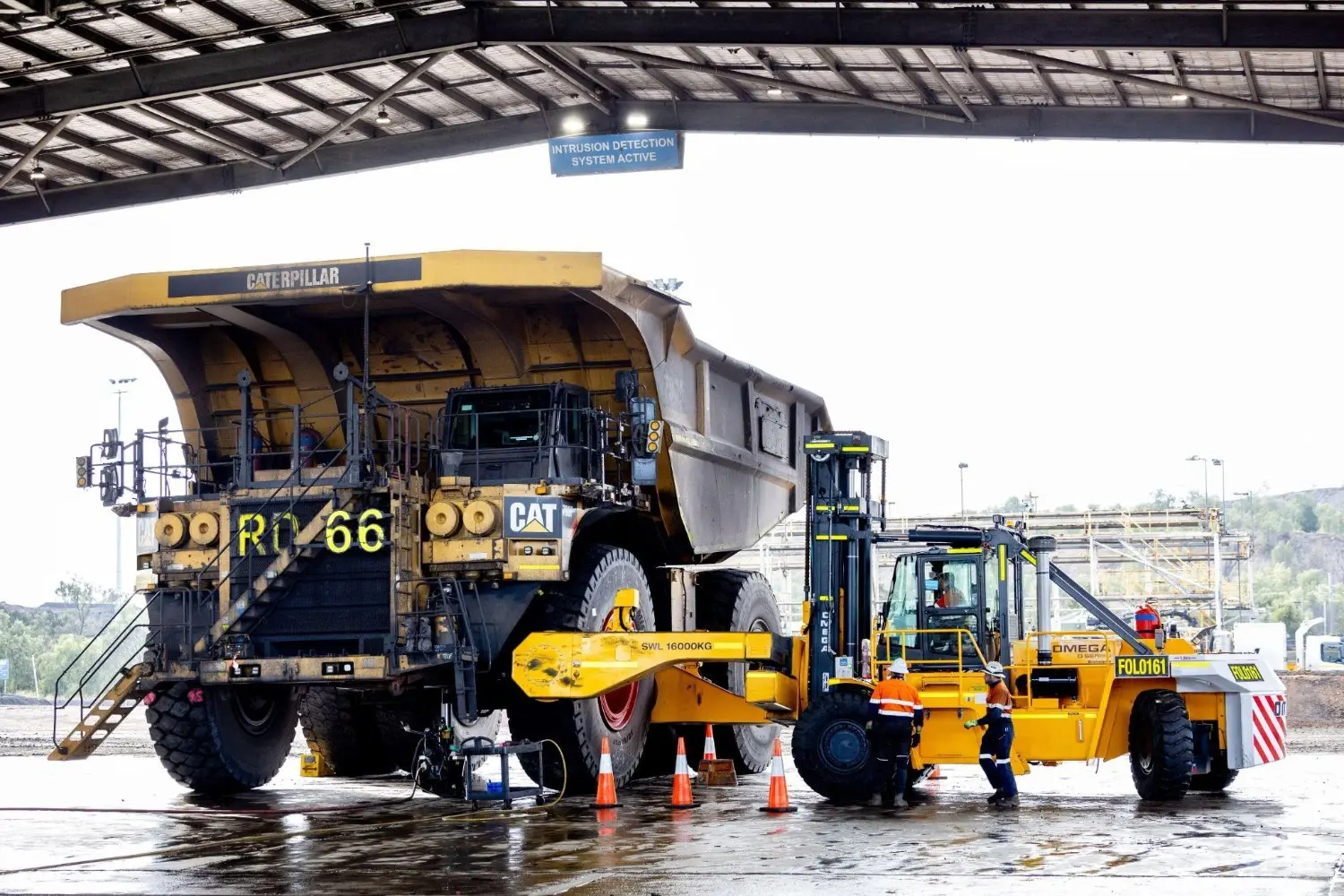
Fig 6: BMA, Australia, Peak Downs, QLD [bhp.com]
Strategic Patience Wins Out
Investors must remain patient right now. A single production dip creates market noise. The temporary decline will likely prove short-lived.
Capital discipline remains the key variable to watch. We need to see strict cost control during the upcoming site tours.
The world needs more copper than ever before. BHP owns some of the best copper assets on the planet. Smart investors look past a single year of soft guidance. They focus on the long-term structural trend instead.
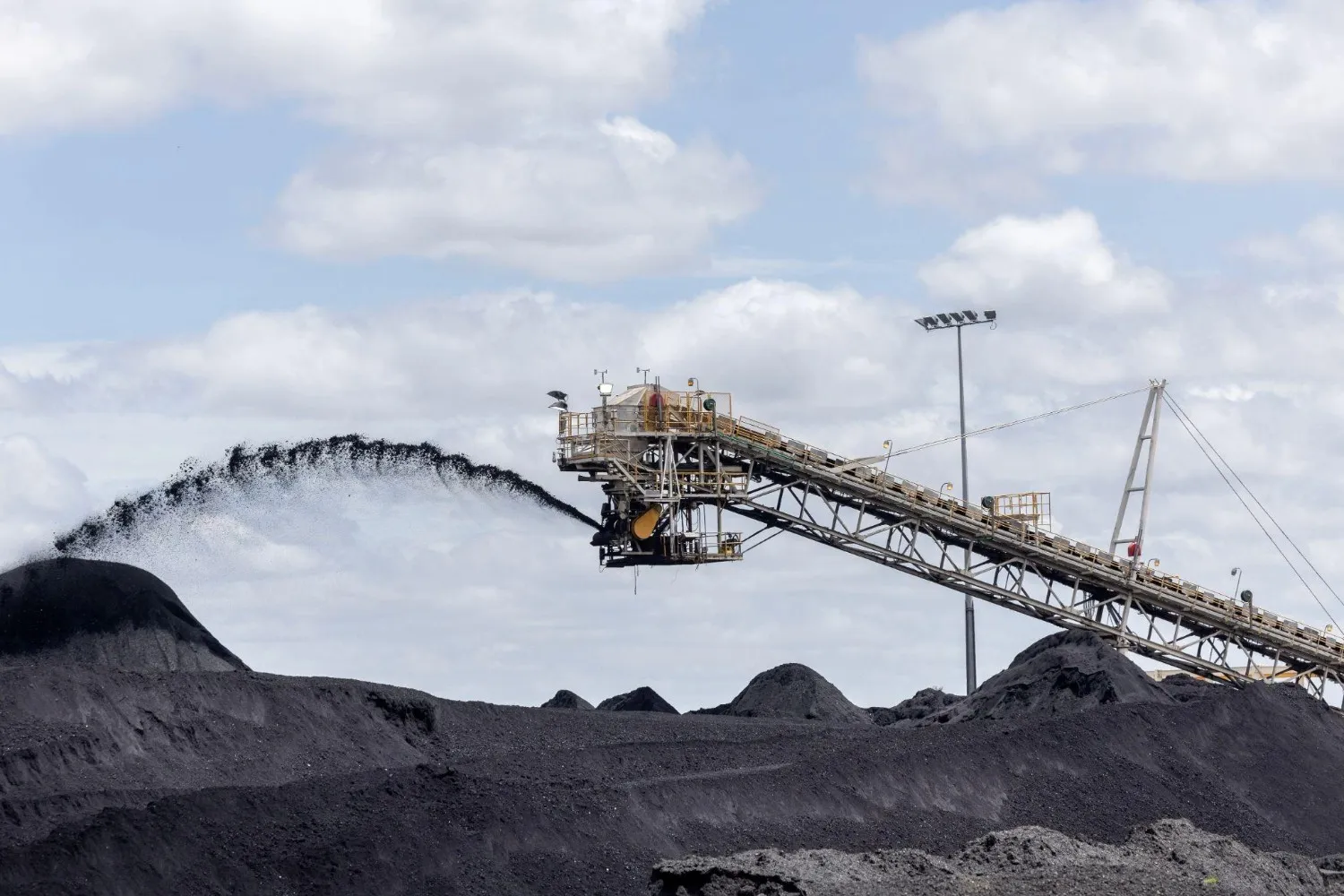
Fig 7: BMA, Australia, Saraji, QLD [bhp.com]
Also read: Australia Mining Outlook 2026: BGL Quarterly Update Points to Long-Term Expansion
Check our Home Page: https://colitco.com/
About Us: https://colitco.com/about-us/
FAQs
Q: Why did BHP stock pull back despite meeting Q4 production targets?
A: Market sentiment reacted negatively to FY27 copper guidance falling over 150 kilotonnes short of FY26 output due to lower ore grades and scheduled maintenance.
Q: Does the expected drop in FY27 copper output ruin the long-term investment thesis?
A: Not at all, since grade declines at Escondida and planned maintenance reflect standard mining cycles rather than structural business flaws.
Q: How does BHP’s updated debt position protect future dividend payouts?
A: Slashed net debt of $9 billion, down 40% in six months, gives the board significant financial headroom to maintain or raise dividend payouts.
Q: Is copper actually replacing iron ore as BHP’s main profit driver?
A: Yes, copper contributed 51% of group operating earnings in the first half of FY26, cementing its role as the primary growth catalyst moving forward.
Also read: Top ASX Rare Earth Stocks 2026 That’re Turning Into Real Returns for Australians
Disclaimer
This article is meant only for informational purposes. If you are an investor who is watching Mineral Resources Limited closely, all the data published in the content is sourced from ASX announcements and external sources. Kindly verify all information related to the share price and market data. Any investment should be made at the investor’s own risk. Colitco does not hold any position in the above-mentioned Company
Sources:
https://www.fool.com.au/2026/08/06/bhps-copper-guidance-surprise-what-does-this-mean-for-bhp-shares/

Luke Carlino is a seasoned Copywriter, Content Strategist, and Social Media Manager specialising in Mining, Finance, and Business journalism. With more than a decade of industry experience, he brings rigorous editorial standards and commercial acuity to every project.