BHP Group Limited (ASX: BHP) released its Operational Review for the year ended 30 Jun 2026 on 16 Jul 2026. Volumes of iron ore were a record, while copper fared better than expected, leaving investors plenty to digest in the BHP stock outlook Australia 2026 story.
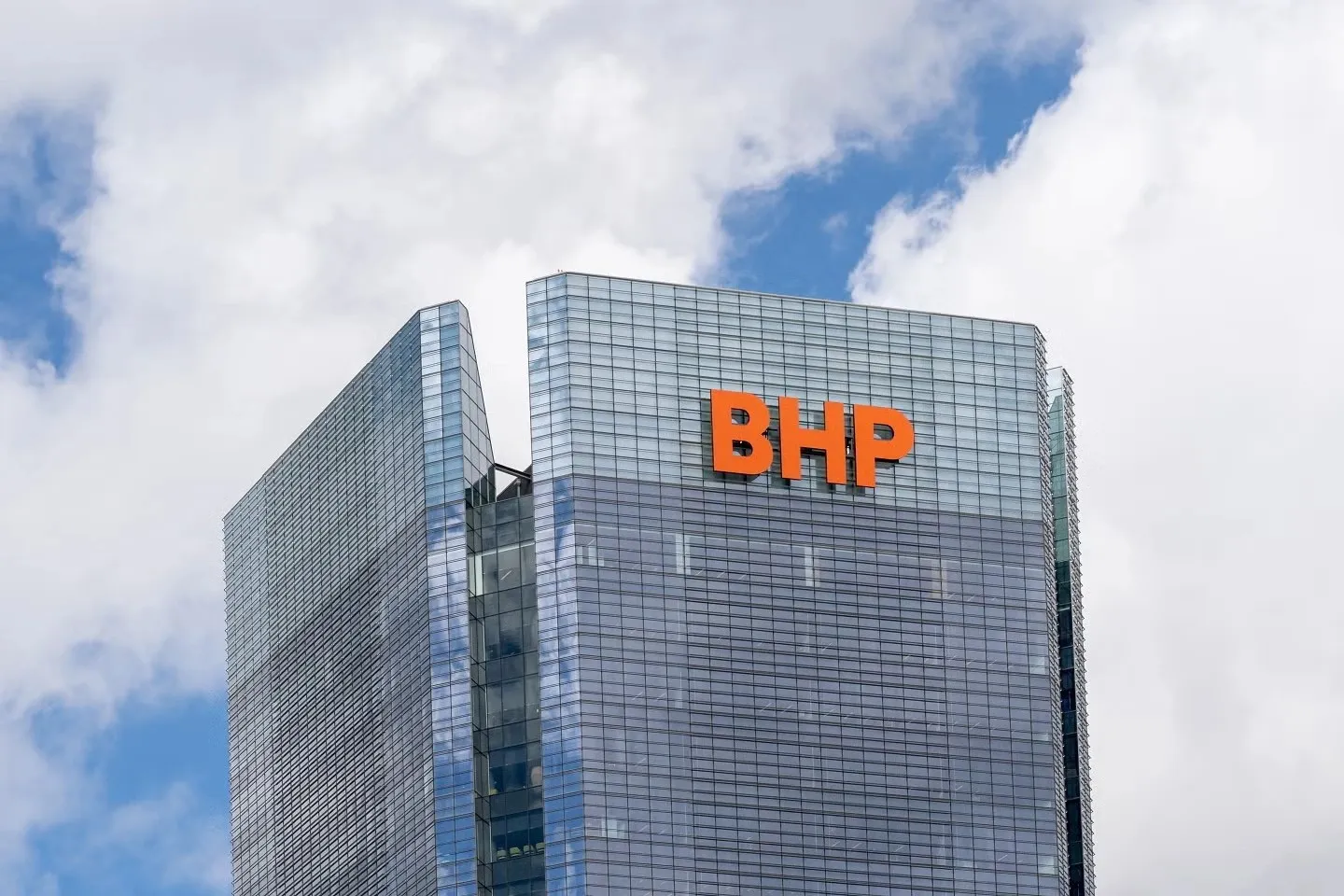
Figure 1: BHP Group Limited corporate office [Courtesy: Mining Technology]
It matters because BHP shares are up more than 50 per cent over the past year. Analysts are now split. Some think the BHP future growth potential can push the stock further. Others think the easy money has already been made.
BHP Shares Forecast 2026-27: The Headline Numbers
BHP reported record iron ore production and stable copper output, despite lower grades at Escondida. On top of that, the Company laid out a bigger copper and potash pipeline for the years ahead.
| Metric | FY26 | vs FY25 | FY27 Guidance |
|---|---|---|---|
| Copper Production | 1,952.8 thousand tonnes (kt) | -3% | 1,650 – 1,800 kt |
| Iron Ore Production | 264.7 million tonnes (Mt) | +1% | 260 – 272 Mt |
| Steelmaking Coal (BMA) | 18.6 Mt | +3% | 18.5 – 20.5 Mt |
| Energy Coal (NSWEC) | 16.4 Mt | +9% | 14 – 16 Mt |
| Net Debt | ~US$9 billion (as of 30 Jun 2026) | – | – |
These numbers are really what any BHP shares forecast 2026-27 comes down to. Copper prices helped too, averaging US$5.74 per pound, up 35 per cent on last year.
Copper Growth Behind BHP Future Growth Potential
BHP is leaning heavily on copper to justify its future growth potential. Escondida remains the anchor asset, even as feed grades decline through the medium term.
Escondida and Spence Production Plans
Escondida produced 1,261.2 kt in FY26, down 3 per cent on lower concentrator feed grade. Medium-term guidance points to 900 to 1,000 kt per annum once grades normalise further out.
Spence sanctioned two upgrade projects in June 2026, the Concentrator Upgrade Recovery project and the Chalcopyrite Leaching project. The Concentrator Upgrade Recovery project targets first production in FY28, while the Chalcopyrite Leaching project, which uses BHP’s sulphide leaching technology, targets CY28.
Chilean and US Expansion Moves
Environmental Impact Assessment for Cerro Colorado submitted by BHP in June 2026. The plan is to restart the mine and extend its life by an additional 20 years. BHP also advanced its Faraday Copper transaction in the United States.
Under that deal, BHP will hold roughly 32.5 per cent of Faraday on completion, expected in the first quarter of FY27. Vicuña in Argentina remains on track for a Stage 1 Final Investment Decision in calendar 2026.
Iron Ore Growth and the Ministers North Project
In June 2026, BHP approved the Ministers North Project on a 100 per cent basis for expenditure of almost US$0.9 billion. The Project will add about 20 million tonnes per year once it is fully operational.
Ministers North will run off existing Yandi infrastructure, which keeps costs down. That should help WAIO hold production above 305 Mtpa over the long run. First ore is targeted for FY29, with returns expected above 30 per cent.
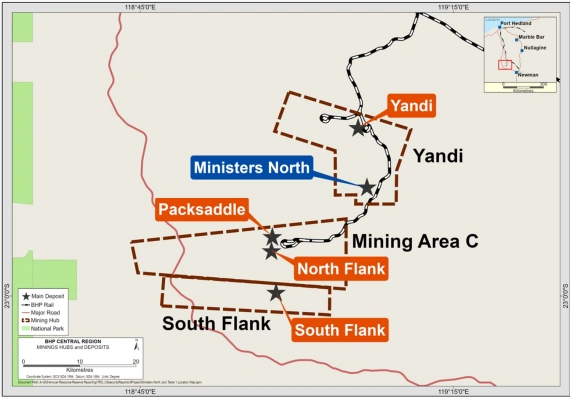
Figure 2: Location map of the Ministers North iron ore deposit in Western Australia [Courtesy: BHP]
Jansen Potash: A New Growth Leg
Jansen Stage 1 in Canada was 84 per cent complete as at the report date, carrying a Project cost of US$8,400 million. First potash production remains targeted for mid calendar 2027.
Jansen Stage 2 is 16 per cent complete, with a further US$6,900 million committed. Once both stages are running, BHP gains a genuinely new commodity outside its traditional iron ore and copper base.
Where the BHP Future Growth Potential Could Hit a Snag
Not everything in the report was a win. Jansen carried a pre- and post-tax impairment of roughly US$2,300 million, and both Jansen and WA Nickel posted negative EBITDA of around US$150 million each. Spence keeps sliding too, down 21 per cent for the year, as BHP works through harder ore deeper in the deposit.
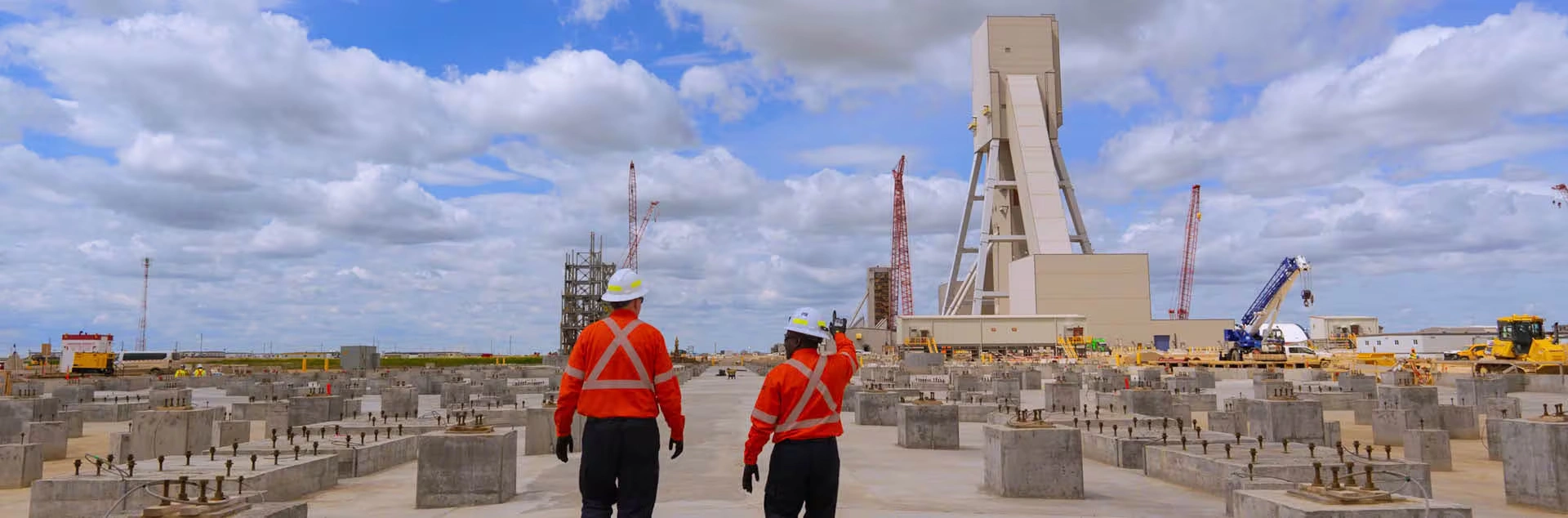
Figure 3: BHP’s Jansen Potash Project [Courtesy: BHP]
Then there was Carrapateena. An underground conveyor belt failure in July 2026 knocked out the mine’s inventory feed, with up to eight weeks of production impact expected while it gets fixed. None of this derails the BHP future growth potential story on its own, but it is a reminder that mining sector growth rarely runs in a straight line.
Industry Outlook
Steelmakers in China, Japan and South Korea have kept demand for Australian iron ore firm for two decades now. BHP expects that to hold, with South-east Asia and India stepping up as the next wave of buyers.
Electrification, population growth and the shift to cleaner energy are all pulling copper demand higher. That is the real backdrop behind BHP’s future growth potential across its copper portfolio for the next decade.
BHP Share Price (ASX: BHP)
- Last traded price: A$63.070
- Market capitalisation: A$319.21 billion
- 52-week range: A$39.300 to A$65.980
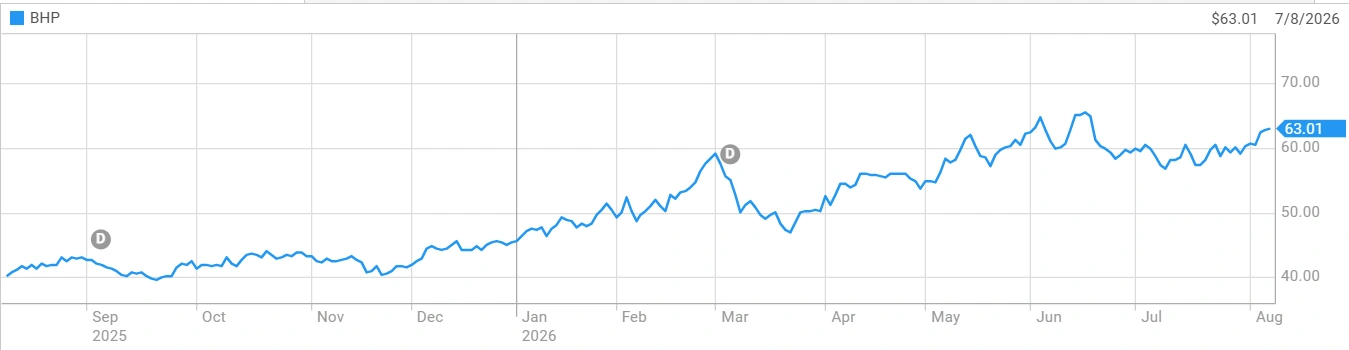
Figure 4: BHP Group Limited (ASX: BHP) share price performance [Source: ASX]
Future Direction and Impact on BHP’s Growth Strategy
Completion of Jansen Stage 1 will mark BHP’s first entry into potash, adding a fourth major commodity to its earnings base. This diversification is central to BHP’s future growth potential narrative through 2027 and beyond.
According to the ASX announcement, copper output is expected to soften in FY27 before Spence and Copper South Australia upgrades lift production from FY28. Ministers North should then support iron ore volumes from FY29 onward.
For investors weighing the BHP stock outlook Australia 2026 story, near-term copper and iron ore pricing will likely dictate share price direction. Longer term, Jansen and the copper growth pipeline carry the bigger swing factor.
ALSO READ: Culpeo Minerals Launches Entitlement Issue to Fund Copper Exploration Growth in Chile
About us: https://colitco.com/about-us/
FAQs
Q1. What did BHP report in its FY26 Operational Review?
Ans. Record iron ore production and copper output nearly flat on the prior year, alongside a strengthened copper and potash growth pipeline.
Q2. Why does Jansen matter for BHP’s future growth potential?
Ans. It adds potash as a new commodity, diversifying BHP away from its traditional iron ore and copper earnings base.
Q3. Does the Faraday Copper deal change the BHP shares forecast 2026-27?
Ans. Not dramatically on its own. It gives BHP a bigger foothold in Arizona copper, which adds a little more weight to the long-term growth case rather than shifting near-term numbers.
Q4. What could shape the BHP share forecast 2026-27 outlook?
Ans. Copper prices, the Minister’s North ramp-up, and Jansen’s first potash production are the key factors to watch.
Disclaimer
This article is meant only for informational purposes. All data published in this content is sourced from BHP’s official FY26 Operational Review and related ASX announcements. Readers should verify all share price and market data independently before making any decisions. Any investment carries risk and should be made at the investor’s own discretion. Colitco does not hold any position in the above-mentioned company.
Source
- https://cdn-api.markitdigital.com/apiman-gateway/ASX/asx-research/1.0/file/2924-03111504-3A697237&v=undefined
- https://www.asx.com.au/markets/company/BHP
- https://www.fool.com.au/2026/08/07/how-much-could-the-bhp-share-price-rise-in-the-next-year-3/

Elizabeth Jones is a finance and mining content specialist with over 10 years of experience creating clear, SEO-driven content across fintech, investing, banking, insurance, cryptocurrency, and resource markets. She transforms complex financial data and industry trends into engaging, reader-focused articles that improve understanding and audience engagement.