
The ASX crossroads is becoming clearer: investors must assess whether the economy can sustain company earnings while absorbing further monetary tightening. SPI futures pointed towards a weaker opening in the supplied market snapshot, despite modest gains on Wall Street.
Fixed-income pricing placed the probability of an upcoming Reserve Bank of Australia rate increase at 94%. Attention is also shifting towards whether another increase could follow.
Employment figures matter because they help explain how households and businesses are responding to borrowing costs. Meanwhile, renewed concerns about oil supply could complicate the inflation outlook.
Together, these forces leave Australian shares facing more than a straightforward decision about interest rates.

Figure 1: The Reserve Bank building in Sydney’s Martin Place, photographed in 2008. Image credit: Danausi, via Wikimedia Commons, public domain.
Is a Rate Increase Largely Expected, and What Comes Next?
A 94% implied probability shows that investors were heavily positioned for an increase at the time of the market snapshot. It does not represent a commitment from the central bank.
The more difficult question concerns the path beyond that meeting. Companies and households respond to the cumulative cost of borrowing, so expectations of repeated increases can matter more than one widely anticipated move.
The RBA’s monetary policy framework explains how the cash rate influences borrowing, lending, economic activity and inflation. Its objectives include inflation of 2–3% and maximum employment consistent with low, stable inflation.
For equities, this creates two considerations. Higher financing costs can affect profits, while higher interest rates can reduce the valuations investors assign to future earnings.
Employment Signals Worth Reading Beyond the Headline
The employment signals Australia produces will help investors assess whether activity remains resilient or is starting to weaken. A headline jobs figure offers only part of that picture.
- Employment growth: Strong hiring can support household income, although its implications depend on population growth and labour supply.
- Unemployment: A change needs to be considered alongside the number of people entering or leaving the workforce.
- Participation: More people seeking work can lift unemployment even when the economy adds jobs.
- Hours worked: Employers may adjust hours before changing staff numbers, making this a useful measure of labour demand.
The Australian labour force release brings these measures together. Reading them collectively helps avoid drawing a firm conclusion from one monthly movement.
How Can Strong Employment Pull Shares in Different Directions?
A healthy labour market supports spending and helps borrowers meet repayments. That can benefit businesses dependent on domestic demand.
However, unexpectedly strong employment may also reinforce expectations that restrictive policy will remain necessary. Markets could respond by raising their assumptions for borrowing costs.
Weaker employment presents the reverse tension. It may reduce concerns about further tightening while raising questions about sales, credit quality and earnings growth.
The RBA policy outlook therefore cannot be translated into a simple rule that good economic news always lifts shares. Market reactions depend on the balance between earnings expectations and interest-rate expectations.
The supplied report contains no new employment result, so it does not establish which outcome is unfolding.
Overseas Gains Offer an Uneven Lead
US equities finished the preceding Friday modestly higher, with both the Nasdaq and S&P 500 advancing. Australian futures nevertheless indicated a weaker opening.
That divergence highlights the importance of domestic conditions. A positive offshore session can support sentiment without removing concerns about Australian rates or company earnings.
Precious metals also strengthened over the preceding week despite the US Federal Reserve raising rates. Gold gained 1.47%, while silver rose 4.9%.
| Date | Event |
|---|---|
| 27 Jul 2026 | EQT submits an earlier proposal at A$22.50 per share, which the Board considers not in shareholders’ best interests |
| 29 Jul 2026 | Perpetual announces it gave EQT access to limited non-public information |
| 21 Sep 2026 | Perpetual rejects the further revised proposal and confirms the EQT process has concluded |
| Q4 2026 | Expected completion of the Wealth Management business sale |
These figures describe the supplied market snapshot, rather than live prices or confirmed opening outcomes.
How Could Oil Prices Add to Australia’s Inflation Debate?
Energy markets introduce a separate source of uncertainty.
The supplied report described a major drone attack on Moscow and a refinery strike over the weekend. Damage to refining infrastructure could affect fuel availability, although the scale and duration of any disruption remain important.
The report also identified rising premiums for oil delivered to China as sanctions and disruption affected some supply sources.
For Australian businesses, the relevant issue is whether these pressures translate into sustained fuel costs. Freight, transport and mining operations can face higher expenses when diesel becomes more expensive.
That could complicate the inflation picture even if domestic demand begins to soften.
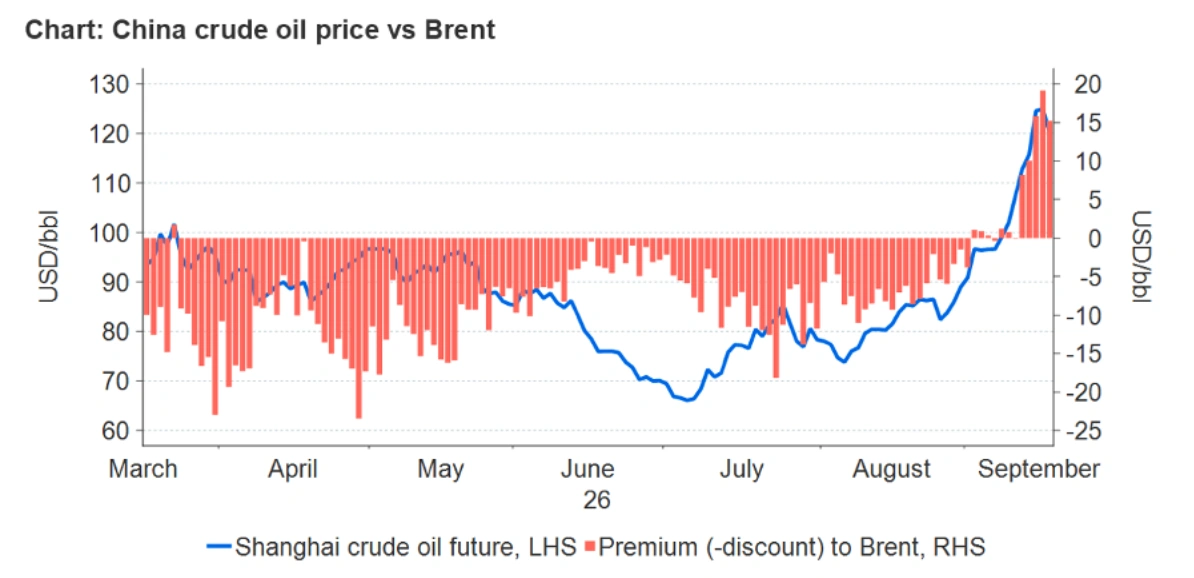
Figure 2: ANZ chart accompanying the source article’s discussion of oil-market pressures. Image credit: ANZ, via Mining.com.au.
Sectors Face Different Combinations of Pressure
The ASX crossroads will not affect every industry in the same way. These are potential transmission channels, rather than predictions of individual share-price movements.
- Banks: Higher rates can influence lending margins, but funding costs, loan demand and borrower stress also matter.
- Retailers: Employment supports customer income, while mortgage repayments and fuel bills can restrict discretionary spending.
- Property businesses: Financing costs and investor return requirements can affect earnings and asset valuations.
- Mining and energy companies: Commodity prices shape revenue, while fuel, labour and financing influence operating costs.
Even within one sector, outcomes can differ substantially. A company with limited debt and predictable cash flow may respond differently from a peer approaching a refinancing deadline.
That makes company disclosures essential when interpreting a broad market move.
Why a Priced-In Decision Can Still Move the Market
A widely expected rate increase does not remove the possibility of volatility. Investors will also examine the accompanying explanation.
Changes in the central bank’s assessment of inflation, employment or demand could alter expectations for subsequent meetings. A decision matching forecasts could therefore produce different reactions depending on its language.
The same principle applies to employment data. A result close to expectations may attract little response, while an unexpected combination of jobs, participation and hours could prompt reassessment.
For the RBA policy outlook, the important distinction is between what happens and what markets had already assumed would happen.
How Will Earnings Resilience Balance Against Higher Borrowing Costs?
Australian equities are balancing support from employment and commodity prices against the possibility of more expensive credit.
The next useful signal will be evidence that changes assumptions about earnings or the duration of tight monetary policy. Until then, confidence in one outcome should remain proportionate to the available data.
Also Read: Australia Interest Rate Forecast: The RBA’s Long Game
Disclaimer
This article is prepared for Colitco for general information and does not constitute investment advice. Market probabilities and prices reflect the referenced snapshot and may change. Sector implications are analysis, not forecasts. Readers should review current data and consider their circumstances before making investment decisions.

Elizabeth Jones is a finance and mining content specialist with over 10 years of experience creating clear, SEO-driven content across fintech, investing, banking, insurance, cryptocurrency, and resource markets. She transforms complex financial data and industry trends into engaging, reader-focused articles that improve understanding and audience engagement.