
BHP Group Ltd (ASX: BHP) and Rio Tinto Ltd (ASX: RIO) have both gained more than 40% over the past twelve months. A fresh Canaccord Genuity research report, covered on 17 Sep 2026, argues that the reason is no longer iron ore.
Nearly 60% of each Company’s EBITDA came from future-facing commodities over the six months to the end of June 2026. Copper sat at the centre of that shift. The BHP vs Rio Tinto 2026 debate has quietly become a copper debate.
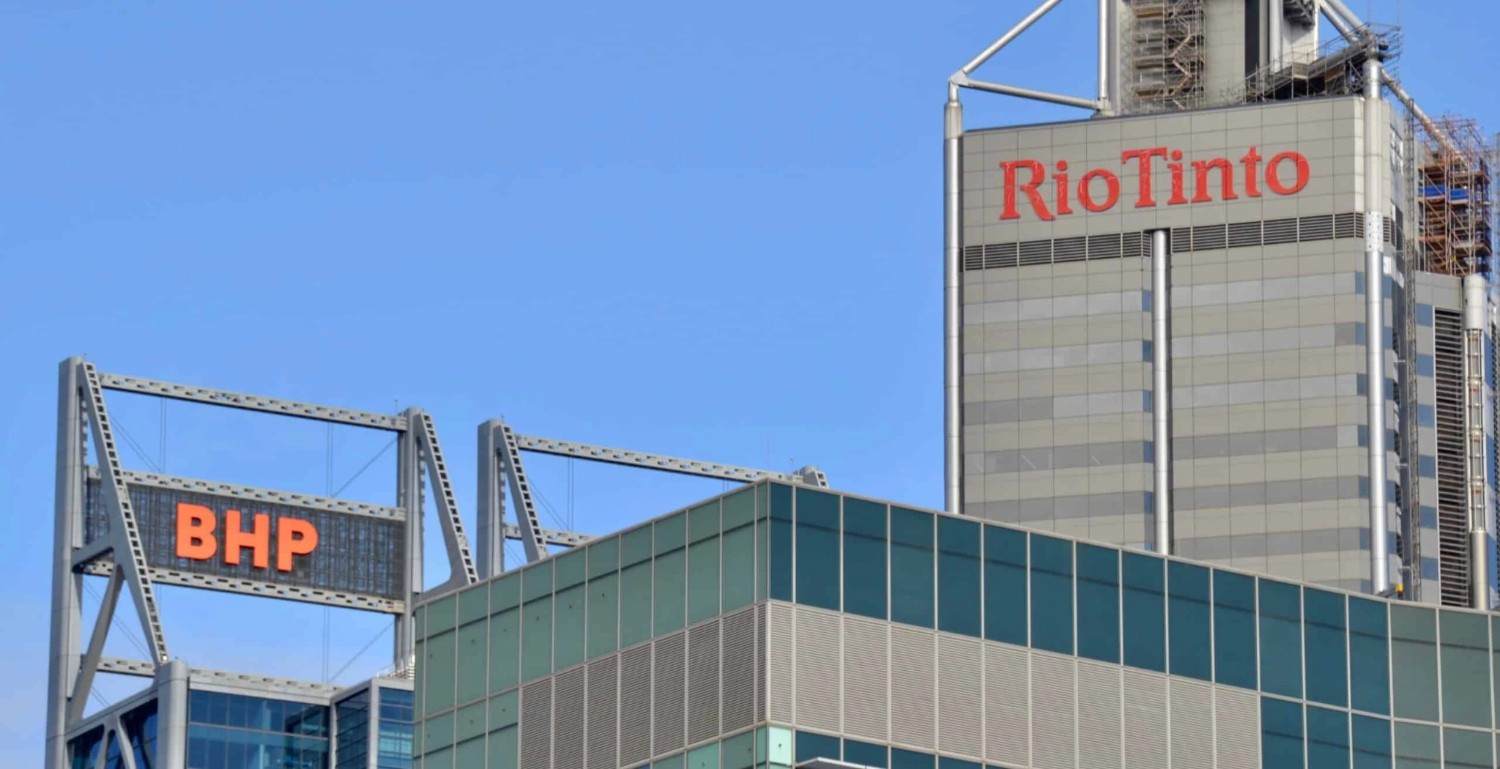 Figure 1: BHP and Rio Tinto signage on their respective Melbourne office towers [Courtesy: investordaily]
The Copper Power Shift Mining Investors Cannot Ignore
Canaccord Genuity found that copper accounted for 57% of earnings at BHP and 36% at Rio Tinto. Aluminium contributed a further 20% of Rio Tinto earnings, with lithium emerging as a meaningful third pillar.
The broker said both miners now offer upstream exposure to electrification and the artificial intelligence infrastructure build-out. In its words, their evolving earnings profiles “warrant a different valuation framework”.
Where the Earnings Actually Come From
| Measure | BHP | Rio Tinto |
|---|---|---|
| Share of earnings from copper | 57% | 36% |
| Share of earnings from aluminium | Not disclosed by broker | 20% |
| Future-facing commodities share of EBITDA (six months to end June 2026) | Nearly 60% | Nearly 60% |
| Emerging commodity flagged | Copper-focused growth | Lithium |
Why the Market Repriced Both Names
BHP and Rio Tinto have outshone the S&P/ASX 200 Index (ASX: XJO) by about 50% over the past twelve months. That happened even though iron ore prices tracked slightly lower across the period.
Canaccord Genuity noted that copper producers generally trade on higher multiples than iron ore companies. The reason is simple. Copper carries more attractive long-term fundamentals, and the market is now paying for that.
How Two Deals Rewired the Mining Sector
BHP acquired OZ Minerals in 2023, adding copper volume and South Australian scale. Rio Tinto followed with the Arcadium Lithium acquisition in 2025, buying a ready-made lithium platform.
Canaccord Genuity described both earnings mixes as the product of “years of disciplined capital allocation”. Organic project development, selective mergers and acquisitions, and commodity price tailwinds did the rest.
| Company | Deal | Year | Commodity added |
|---|---|---|---|
| BHP | OZ Minerals | 2023 | Copper |
| Rio Tinto | Arcadium Lithium | 2025 | Lithium |
Mining Investment Leadership Comes Down to Two Growth Plans
BHP has built its organic growth strategy almost entirely around copper. Projects are under development in South Australia, Chile and Argentina, giving the Company a concentrated copper runway.
Rio Tinto has taken a wider path. Canaccord Genuity described the plan as spanning “copper, Simandou in iron ore, the Arcadium portfolio in lithium, and aluminium”.
The Copper Target Both Miners Share
Despite the different routes, the destination looks remarkably similar. BHP and Rio Tinto also point to copper output growth of about 20% to 25% by 2030. This is compared with FY26 levels.
- Growth supported by brownfield expansions
- Operational ramp-ups across existing assets
- Development of each respective copper portfolio
- Comparable targets despite very different asset bases
| Growth plan | BHP | Rio Tinto |
|---|---|---|
| Primary growth commodity | Copper | Copper, iron ore, lithium, aluminium |
| Named growth locations | South Australia, Chile, Argentina | Simandou, Arcadium portfolio |
| Copper production growth target by 2030 | ~20% to 25% vs FY26 | ~20% to 25% vs FY26 |
The Broker Verdict on BHP vs Rio Tinto 2026
Canaccord Genuity called both companies compelling propositions. It still expressed a clear preference for BHP in this comparison.
The broker described BHP as the highest quality diversified miner, with a strong track record of operational delivery. It pointed to copper’s central role in the portfolio as the deciding factor.
The Case for Backing BHP
As the world’s largest copper producer, BHP offers what the broker called “one of the largest and lower-risk ways” to gain leverage to copper. That scale argument sits at the heart of its call.
For readers weighing mining investment leadership, the preference is about risk, not enthusiasm. Rio Tinto offers broader optionality. BHP offers concentrated exposure to the commodity the broker likes most.
Industry Outlook for the Mining Sector
The mining sector is being reshaped by demand themes that sit outside traditional bulk commodities. Electrification and the AI infrastructure build-out are the two structural drivers Canaccord Genuity identified.
Copper’s more attractive long-term fundamentals already support higher trading multiples across the sector. That repricing is the clearest signal of the copper power shift mining now faces.
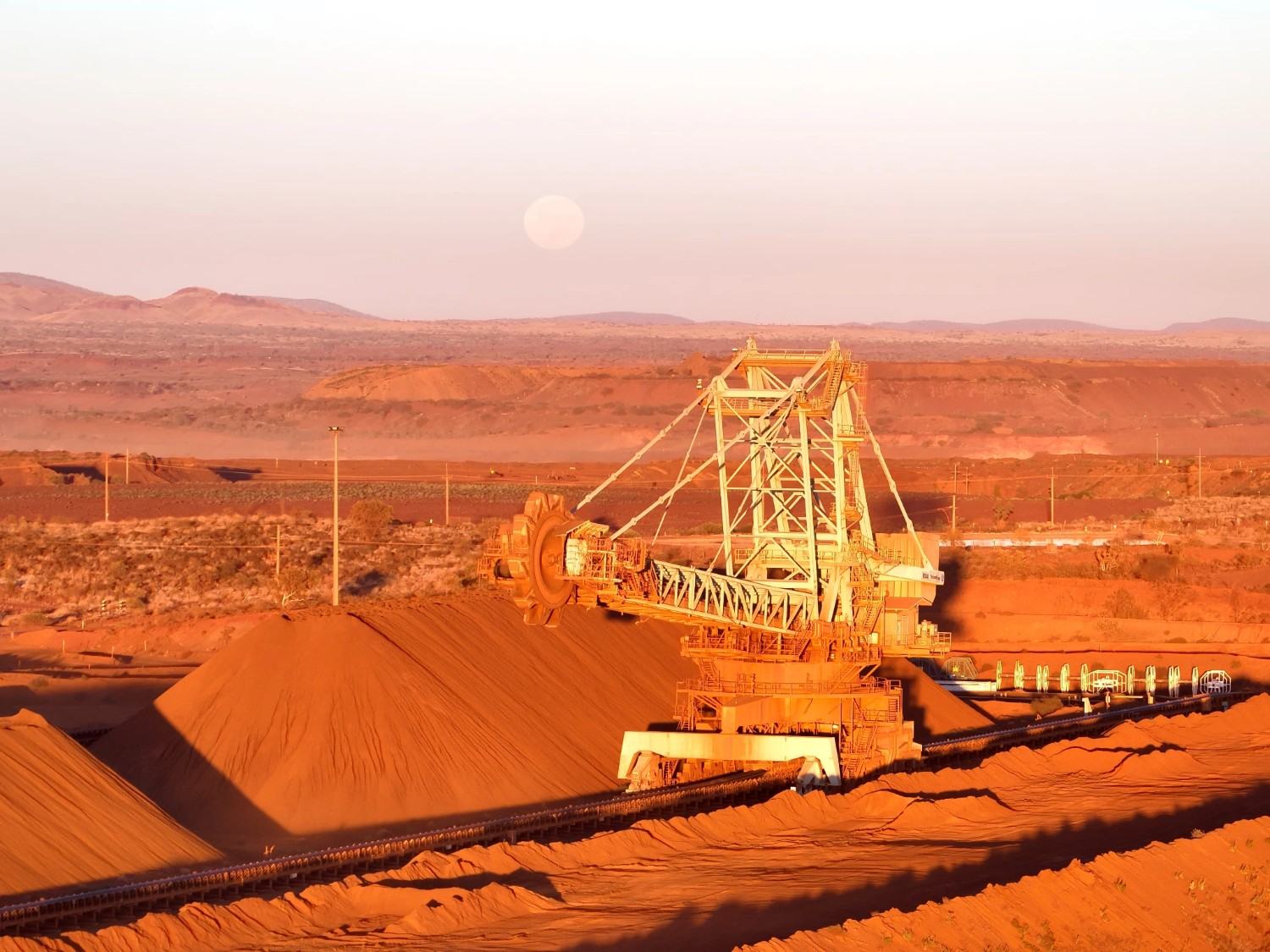
Figure 2: Mining operations underway [Courtesy: BHP]
Future Direction and Impact on Mining Investment Leadership
Copper will decide how the BHP vs Rio Tinto 2026 comparison ages over the rest of the decade. They have chosen similar growth targets through 2030.
Delivery is the variable that matters. Brownfield expansions and ramp-ups rarely arrive exactly on schedule across the mining sector.
Investors tracking mining investment leadership should watch execution against those copper targets rather than headline earnings alone. A valuation built on future-facing commodities depends on those volumes appearing.
Colitco will continue tracking both companies’ copper production milestones as the BHP vs Rio Tinto 2026 story develops through the rest of the decade.
ALSO READ: Carbonxt Secures Larger Wisconsin Public Service Order, Lifting FY27 Revenue Outlook
FAQs
Q1. What is driving the BHP vs Rio Tinto 2026 comparison?
Ans. Copper, not iron ore. Nearly 60% of each Company’s EBITDA came from future-facing commodities in the half to June 2026.
Q2. Which miner does Canaccord Genuity prefer?
Ans. BHP. The broker cited its quality, operational track record and position as the world’s largest copper producer.
Q3. What copper growth are both miners targeting?
Ans. Roughly 20% to 25% production growth by 2030, measured against FY26 levels.
Q4. Why does the copper power shift mining trend matter for valuations?
Ans. Copper producers trade on higher multiples, reflecting stronger long-term fundamentals than iron ore.
Disclaimer
This article is meant only for informational purposes. If you are an investor who is watching BHP Group Ltd and Rio Tinto Ltd closely, all the data published in the content is sourced from ASX announcements and external sources. Kindly verify all the information related to the share price and market data. Any investment should be made at the investor’s own risk. Colitco does not hold any position in the above-mentioned companies.

Luke Carlino is a seasoned Copywriter, Content Strategist, and Social Media Manager specialising in Mining, Finance, and Business journalism. With more than a decade of industry experience, he brings rigorous editorial standards and commercial acuity to every project.