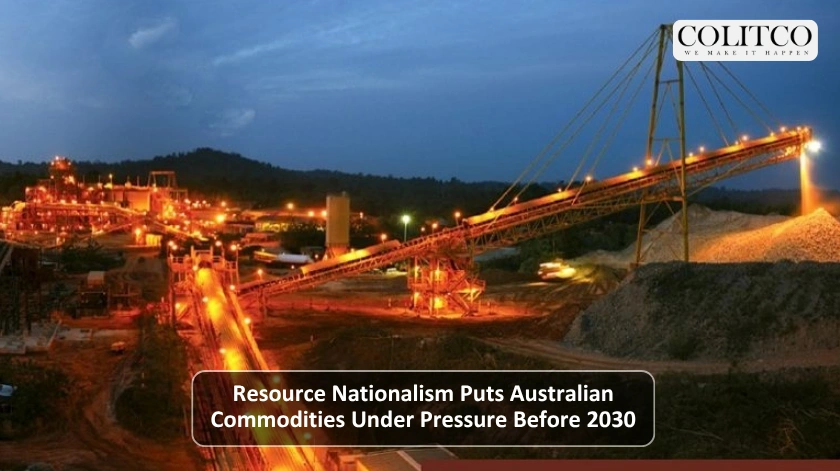
Australia is rich in large resources such as lithium, nickel, iron ore and rare earths, so over many years has applied simple rules: excavate the minerals, ship them overseas, and let world markets set prices.
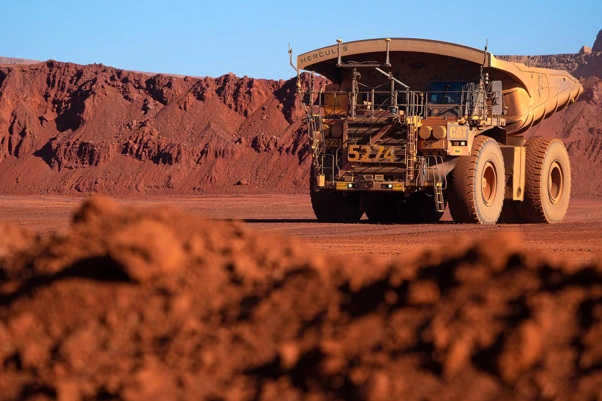
Source: BHP
This simple model is now facing serious challenges from global governments seeking to take greater control over crucial mineral assets.
Resource nationalism has moved far beyond the scope oftax and royalty disputes,and the implementation of trade measures like export restrictions, quotas, and strong domestic processing requirements serve to secure mineral wealth at home.
Australia stands at the heart of this global paradigm shift, and will probably have to contend with increasing pressure on many fronts from now to 2030.
Other Countries Are Already Setting the Rules on Critical Minerals
A few countries have introduced tough regulations to gain more control over their mining industries. Indonesia outlawed all nickel ore exports in 2020 and this caused billions of dollars of new investment to flow into the country. Since then, other resource rich countries look to Indonesia for guidance.
Democratic Republic of Congo imposed a ban on exports of cobalt in February 2005 which was later switched for production quotas. This caused supply disruption to battery producers worldwide. Vietnam went a step further in December 2025. It limited rare earth mining to companies approved by the government and banned the export of raw rare earth materials
China controls between 60 and 80 percent of the world’s rare earth processing. In October 2025, it added export controls on five more rare earth elements. A temporary pause followed as part of a deal with the United States. But the rules remain in place and could come back into force.
Australia’s Lithium Sector Earns Less Than It Should
Australia produces more lithium than any other country. Yet more than 90 percent of that output leaves as raw ore. China then turns it into the refined materials that electric vehicle makers need to buy.
This means Australia sits on the wrong side of the supply chain. The country does the mining but earns only a small share of the final value. China handles the refining, which is where most of the money is made.
The financial impact shows up clearly in state budget figures. Lithium royalties in Western Australia fell from A$563 million in fiscal 2024. They are expected to reach only A$286 million by fiscal 2026. That figure is far lower than what state officials expected just one year ago.
Nickel and Iron Ore Royalties Are Falling Fast
The nickel sector in Australia has taken a direct hit. Indonesian producers financed by Chinese funds and technologies compete at prices that Australian miners can’t beat. Subsequently the majority of Australian nickel mines and processing facilities in Western Australia have closed down.
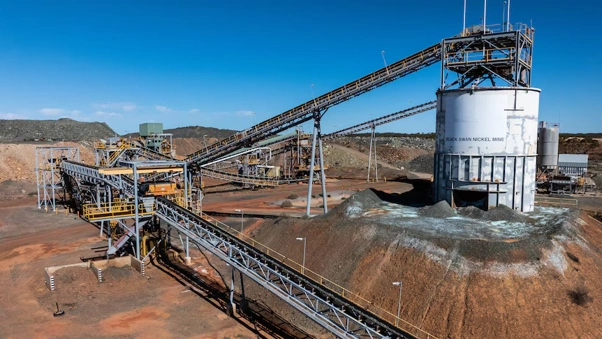
Source: ABC News
BHP paused its Nickel West business. Several smaller miners shut down completely. The global nickel market is worth US$37 billion, but Australian producers struggle to compete at current price levels.
Iron ore points in a similar direction. Export earnings are set to drop from A$116 billion in fiscal 2024-25 to A$107 billion by fiscal 2026-27. Royalties in Western Australia are forecast to fall from A$10.36 billion in fiscal 2024 to A$5.77 billion by fiscal 2029. US tariffs on Chinese goods add more risk. Those tariffs could reduce China’s steel output and cut its need for Australian ore.
Australia Builds a Minerals Reserve but Critics See Gaps
Australia’s government will allocate $1.2 billion towards the Critical Minerals Strategic Reserve in the 2025-26 budget, which is expected to be operational in the latter half of 2026.
31 minerals have also been identified by the government in which it wishes to promote domestic processing. In October 2025, Australia and the US agreed a joint $1.5 billion deal which they stated would assist in developing mineral supply chains free from Chinese influence.
But critics point out that most government money still goes to mining companies that extract raw ore. Since 2019, the government has committed over AU$6 billion in loans to the sector. Very little of that money has gone toward building the refining and processing plants that would let Australia earn more from its minerals at home.
Copper Attracts Investors as Other Metals Struggle
2025 investor demand, conversely, appears to have far greater conviction, with both lithium and nickel battling challenging conditions. World mine supply of copper declined in 2025 for the first time since 2017. The markets estimate a shortfall of 30% in ten years.
Falling ore quality, higher production costs, and long project timelines all add to the copper supply problem. Australian copper projects face less competition from state-backed rivals than nickel or lithium projects do.
Governments throughout the world are beginning to treat critical minerals as a national security issue, and not simply a trade issue. The challenge for Australia prior to 2030 is developing an on-shore processing capacity commensurate with the large on-shore resource base.
Investors tracking Australian news are closely watching how resource nationalism and falling royalties reshape the sector before 2030.
FAQS
Q1. What is resource nationalism?
A1. When governments restrict mineral exports or force local processing to keep more value at home.
Q2. Why are lithium and nickel struggling?
A2. Australia ships raw ore abroad while China handles the profitable refining. Indonesian producers have undercut Australian nickel miners out of the market.
Q3. What is Australia doing about it?
A3. It has committed A$1.2 billion to a minerals reserve and signed a A$1.5 billion deal with the US. But most funding still goes to mining, not refining.
Disclaimer
The information provided is not trading advice; Colitco and its author hold no liability for any investments made based on the information provided on this page. We strongly recommend independent research and/or consultation with a qualified professional before making any investment decisions.
Source
https://www.mining.com/resource-nationalism-redraws-critical-minerals-playbook

Luke Carlino is a seasoned Copywriter, Content Strategist, and Social Media Manager specialising in Mining, Finance, and Business journalism. With more than a decade of industry experience, he brings rigorous editorial standards and commercial acuity to every project.