
Fortescue’s announcement puts the borrowing amount, two interest rates and a six-year repayment term on the same page. Each tells shareholders something different. The rate after swaps explains part of the cost; the use of the money will explain what the borrowing achieves.
In this article, Colitco looks at how the transaction works and what remains to be disclosed.
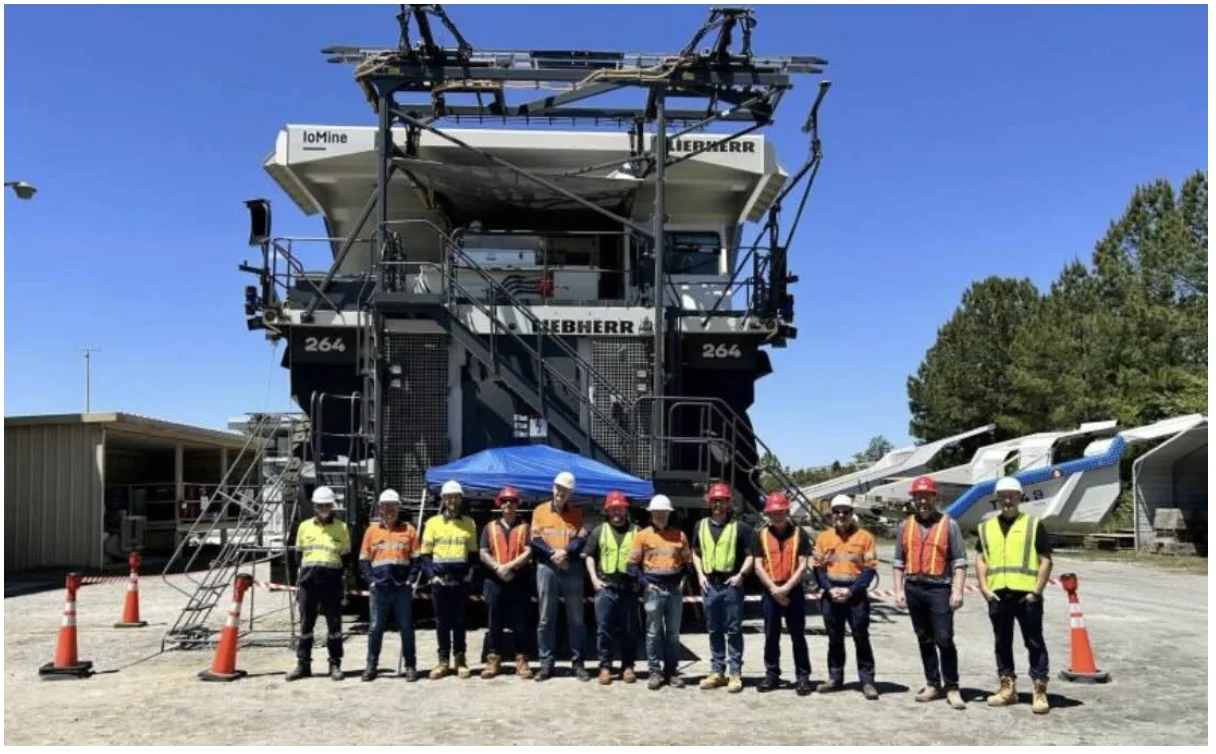 Figure 1: A Liebherr battery-electric haul truck fitted with Fortescue’s power system during trials in the United States. Archive photograph published in May 2026. Credit: Fortescue, via The Driven. The financing announcement does not earmark proceeds for this equipment.
Raising US Dollars And Converting The Payment Obligations
The transaction starts in the US debt capital markets.
Fortescue Treasury Pty Ltd, a wholly owned subsidiary, will issue US$1.5 billion of notes guaranteed by Fortescue Ltd. Investors receive a 7% annual coupon. Their notes mature on 15 November 2032.
Fortescue announced successful pricing on 5 November 2026, with settlement expected a week later, subject to customary closing conditions.
Alongside the issue, the company has entered into cross-currency swaps covering the entire principal and associated interest payments. Those swaps run for the six-year life of the notes.
This is the important step in the Fortescue debt financing arrangement. Once the notes and swaps are considered together, Fortescue has an effective fixed-rate offshore renminbi liability of approximately CNH9.95 billion.
The rate on that liability is about 3.9% a year.
Bondholders still hold US-dollar notes paying 7%. The currency agreements change Fortescue’s overall payment position; they do not rewrite the coupon investors agreed to receive.
Locking In The Effective Rate Through To 2032
Fortescue has covered both parts of the borrowing: the interest along the way and the principal due at the end.
There is no portion of the US$1.5 billion principal left outside the swaps described in the announcement. Nor do those swaps expire before the notes mature.
Item | Terms Announced |
Issuer | Fortescue Treasury Pty Ltd |
Guarantor | Fortescue Ltd |
Notes principal | US$1.5 billion |
Annual coupon | 7.0% in US dollars |
| Swap coverage | Full principal and associated interest |
| Effective CNH principal | Approximately CNH9.95 billion |
| Effective fixed CNH rate | Approximately 3.9% annually |
| Maturity date | 15 November 2032 |
| Expected settlement | 12 November 2026, subject to customary conditions |
CNH refers to offshore renminbi.
For the treasury team, the arrangement provides a defined effective principal and fixed interest rate in that currency. Those are commitments it can include in its financial planning for the next six years.
Chief Financial Officer Apple Paget said the issue extends Fortescue’s debt maturity profile and preserves flexibility for operations and future investment.
Her comments concern the financing package. They do not mean every Fortescue loan now costs 3.9%, or that the company has changed the terms of all its existing debt.
Changing The Currency Behind The Borrowing Cost
The two rates invite an obvious calculation: subtract 3.9% from 7%, then multiply the difference by the amount raised.
That would be too simple.
The 7% coupon applies to US-dollar principal. The effective 3.9% rate applies to the CNH obligation created by the swaps. A direct subtraction does not establish a guaranteed saving measured in US dollars.
Using the rounded figures in the release, the CNH arrangement implies roughly CNH388 million in annual interest. That is an illustrative calculation, not a separately published payment schedule.
The currency matters when interpreting that amount. A fixed CNH payment can have a different US-dollar value as exchange rates move.
This is where Renminbi financing needs to be assessed within the company’s wider finances. How will Fortescue obtain the currency for the payments? How does the obligation sit alongside its receipts and other currency arrangements?
The two-page release does not answer those questions. It gives the effective rate and principal, but not a complete account of Fortescue’s currency management.
Shareholders have enough information to understand the structure. They do not yet have enough to calculate a fixed six-year US-dollar saving.
Leaving Room To Replace Existing Debt
Fortescue has described the use of proceeds as general corporate purposes, which may include repayment of indebtedness.
That wording leaves the allocation open. There is no named loan being replaced, no mine expansion assigned a sum and no equipment order attached to the raising.
The distinction is useful when reading the US$1.5 billion headline. Some of the money could replace existing borrowing. Some could remain as cash before being used. The release does not divide the proceeds between those possibilities.
It follows that the issue size cannot simply be treated as the increase in net debt. That depends on repayments, cash retained, fees and subsequent spending.
For investors reviewing Mining company debt financing, the next useful detail is often the obligation being retired. Its interest rate, currency and remaining term provide a basis for comparison with the new borrowing.
Fortescue has not supplied that comparison yet. Until it does, describing the whole raising as funding for expansion would go further than the announcement.
Giving The Business A Longer Repayment Timetable
The principal falls due in November 2032. That gives this borrowing a six-year term.
A longer repayment term can help it manage those competing demands. Fortescue says this transaction extends its maturity profile.
There is still an annual financing bill, however, and the principal eventually has to be repaid or refinanced. The mine operations must generate enough cash to support those commitments alongside everything else.
For shareholders, that means reading the funding terms with the production and expenditure reports. The transaction explains how money is being borrowed. Operating results show how the business is earning the money needed to service it.
Making The Use Of Proceeds The Next Test
The first checkpoint is settlement, expected on 12 November. Successful pricing on 5 November does not mean settlement has already taken place.
After that, investors can follow the proceeds through subsequent disclosures. Any repayment announcement should identify which liabilities have gone. The accounts should help show the remaining cash, debt and the treatment of the swaps.
The notes themselves are senior unsecured obligations, guaranteed by Fortescue Ltd. They rank equally with existing and future senior unsecured indebtedness. No specific pledged asset secures them.
Colitco’s assessment is that Fortescue has used US debt-market access to arrange an effective fixed-rate CNH borrowing with a 2032 maturity. The structure is clear enough.
What shareholders still need is the application of the funds. Knowing which debt was replaced, or which corporate needs were funded, will allow a more complete judgment than the difference between the two interest rates.
ALSO READ: ASX Mining Valuations: What Could Drive the Next Repricing?
FAQs
Q1. Are these renminbi bonds?
No. Fortescue is issuing US-dollar notes and using cross-currency swaps to create an effective offshore renminbi liability.
Q2. Will investors receive the 7% coupon or the 3.9% rate?
The notes carry a 7% coupon. Approximately 3.9% is Fortescue’s effective fixed CNH financing rate after the swaps.
Q3. Do the swaps cover the whole borrowing?
Yes. The announcement says they cover the full US$1.5 billion principal and associated interest payments for six years.
Q4. Has Fortescue said which debt it will repay?
No. Repayment is a possible use of the proceeds, but no particular borrowing is identified.
Disclaimer
This article provides general information, not personal financial advice. Settlement remains subject to customary conditions. The interest calculation uses rounded announced figures and does not represent a guaranteed US-dollar cost or saving.

Luke Carlino is a seasoned Copywriter, Content Strategist, and Social Media Manager specialising in Mining, Finance, and Business journalism. With more than a decade of industry experience, he brings rigorous editorial standards and commercial acuity to every project.