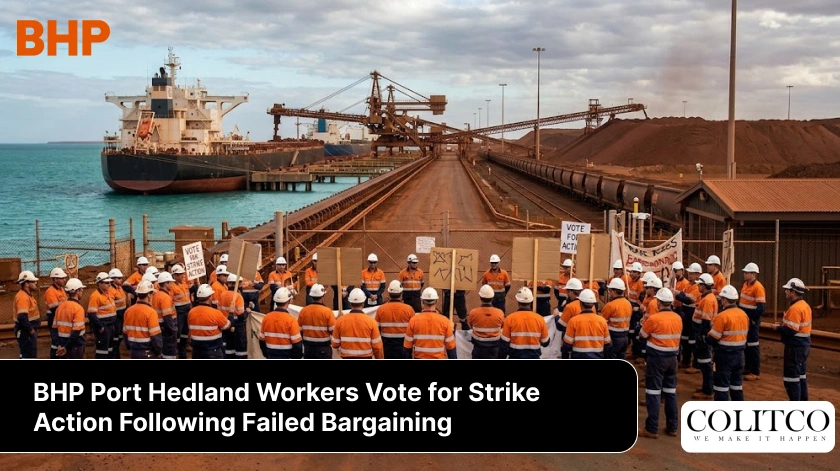
Hundreds of BHP workers at Port Hedland voted in favour of strike action. The workforce took this step after months of enterprise bargaining failed to yield an agreement. The ballot results show support for work stoppages that range from 30 minutes to 24 hours.
The Electrical Trades Union confirmed every single member voted for the industrial action—that is a 100 per cent endorsement from the 100 workers who cast their ballots. This call means the staff could be putting down tools at the facility in just a few days.
The Australian Manufacturing Workers Union also held a vote among its members, with over 100 workers having their say. The union reported that 89 per cent of them are backing the strike proposals, showing they’ve had a gutful of the current situation.
The organisations seek an enterprise agreement to replace individual contracts. Representatives state that contract structures create wage variations among workers with matching skills. The workers demand pay increases and conditions to address living costs in Western Australia.
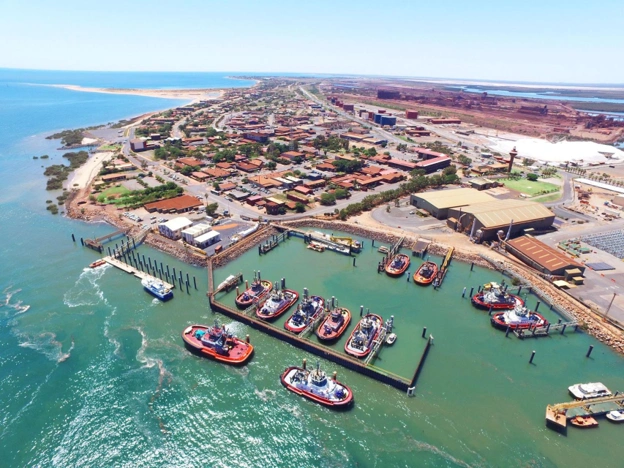
Figure 1: Port Hedland [Source: Town of Port Hedland]
The voting process followed guidelines under national legislation. The ballot provider tallied the responses and delivered the outcomes to the union offices on Thursday. The figures confirm a mandate for protected industrial action across both organizations.
The details of the ballots comprise the following points:
- The Electrical Trades Union recorded a 100 per cent vote in favour of industrial action among its 100 voting members.
- The Australian Manufacturing Workers Union achieved an 89 per cent yes vote from its participation base of more than 100 members.
- The ballot measures allow for rolling stoppages that span from 30 minutes to 24 hours.
- The workforce requires a five-day notification timeframe before initiating any work stoppage at the port.
Union leaders emphasize that workers did not make this decision without consideration. The personnel participated in discussions before initiating the ballot process. The vote reflects the consensus among the maintenance and operations staff at the terminal.
The dispute traces back to disagreements over contract parity. Employees claim that BHP maintains different wage structures for people who perform the same tasks. The unions intend to address these differences through the collective bargaining mechanism.
The Ripple Effect
Port Hedland handles the logistics for the iron ore industry in Australia. Any suspension of activities at this location affects the supply chain for steel production. Markets monitor these developments because disruptions influence commodity prices and trade balances.
Steel manufacturers across Asia rely on the arrival of vessels from this facility. A stoppage alters shipment schedules and reduces inventory levels for buyers. Investors track the situation because iron ore sales generate revenue for corporations and governments.
The dispute highlights economic trends regarding profits and expenses. BHP reported a profit of A$15 billion, or $10.73 billion, during the financial year. Workers demand a share of these funds to manage inflation and living expenses.
The outcome of this dispute could establish a precedent for resource operations in the Pilbara region. Labour negotiations across the mining sector often follow the trends that industry participants set. Analysts watch the standoff to assess future operating costs in Western Australia.
Consumers feel the impact of industrial disputes through variations in currency values and stock market performance. The mining sector contributes a portion of the gross domestic product. Stability within this export corridor supports economic metrics and revenue collections.
International trade partners depend on Australia for the supply of raw materials. Delays in shipments disrupt production schedules in factories across the globe. Therefore, communities outside Australia observe the situation to anticipate economic changes.
Key Players
The industrial dispute involves BHP, a listed mining company. The company manages extraction and export networks across the Australian continent. Executives supervise the operations that deliver products to markets.
Two labour organisations represent the interests of the port employees. The Electrical Trades Union manages the representation for the personnel. The Australian Manufacturing Workers Union coordinates the action for the staff.
The state secretaries of both unions lead the negotiations with the employer. Adam Woodage directs the operations for the Western Australian branch of the Electrical Trades Union. Steve McCartney serves as the state secretary for the Australian Manufacturing Workers Union.
Figure 2: BHP currently sits at the centre of this controversy [Source: WSJ]
The enterprise agreement covers a total of approximately 450 port workers. This figure excludes contractors who perform tasks at the facility. The remaining workforce comprises supervisors, managers, and non-union personnel who run the operations.
The following entities maintain a stake in the resolution of this industrial standoff:
- BHP Group Limited operates as the employer in this industrial dispute.
- The Electrical Trades Union represents approximately 200 staff members within the port workforce.
- The Australian Manufacturing Workers Union protects the interests of more than 100 mechanical and maintenance employees.
- The Australian mining sector relies on the throughput of this export hub to sustain economic metrics.
Company management represents the interests of shareholders and clients. The team formulates the bargaining positions and responds to claims. These managers hold the responsibility for maintaining targets during periods of unrest.
Government agencies also monitor the interactions between the company and the unions. The Fair Work Commission oversees the legal requirements of the bargaining process. Officials track the dispute to evaluate the potential impact on public infrastructure.
Ground Zero: Port Hedland
The voting and the dispute center on Port Hedland in Western Australia. This location serves as the terminal for bulk commodities. The port features loading berths, stockpiles, and machinery to process ore.
The facility connects to the Pilbara region through a rail network. Trains transport the iron ore from mines across kilometres to the coast. The infrastructure handles the volume of BHP’s iron ore exports from Western Australia.
The isolation of the town creates economic challenges for the workforce. Housing costs, food prices, and utility fees in the region exceed averages. These conditions influence the wage demands that the unions present during negotiations.
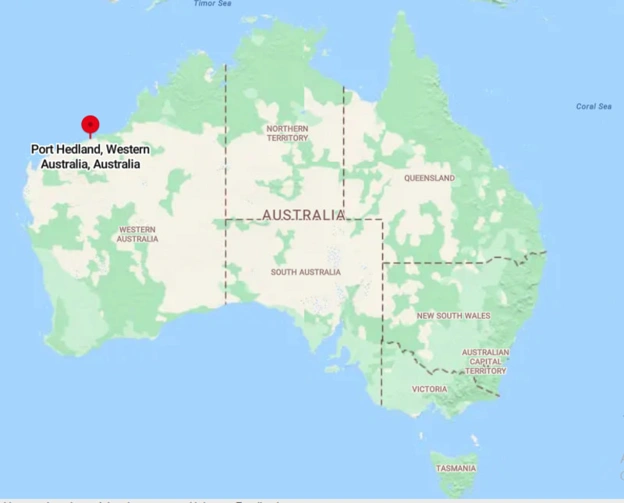
Figure 3: Location of Port Hedland [Source: whereig]
The layout of the infrastructure concentrates operations within an industrial zone. Any stoppage at the terminals or berths halts the logistics chain. The nature of the operations increases the leverage of the maintenance crews.
The Pilbara environment demands maintenance protocols to combat dust and heat. Technicians perform duties to prevent equipment failures across the conveyor networks. Their workspace spans the entirety of the port installations.
The shipping channels at the port accommodate bulk carriers daily. Tugboats guide these vessels through the harbour to ensure transit. The efficiency of this coordination determines the export capacity of the nation.
A Long Time Coming
The unions announced the results of the ballots on Thursday, 11 June 2026. This announcement followed a process that began earlier in the year. The Electrical Trades Union initially lodged papers with the Fair Work Commission in May 2026.
The enterprise bargaining process commenced approximately seven months prior to the vote. Both parties held multiple discussion sessions throughout the first half of 2026. The lack of progress during these meetings prompted the unions to seek approval for industrial action.
The legal framework requires the unions to provide a five-day notice period before commencing strikes. Consequently, work stoppages could begin within the coming days. The authorization for this action remains valid for a window under workplace laws.
The timeline reflects a period of frustration among the employees. Workers attended meetings over several months to voice concerns regarding contract disparities. The escalation to a vote marks a transition from discussions to campaigning.
Also Read: Australia Economic Outlook 2026: Westpac Highlights Consumer Resilience Amid Slower Spending
The winter export season represents a period for commodity shipments from the region. Weather conditions usually allow shipping volumes during the middle months of the year. The timing of the strike increases the pressure on the company to find a resolution.
The dispute intensified during the weeks leading up to the ballot closure. Both sides maintained their positions despite attempts to find a compromise. This deadlock eventually led to the vote that concluded on Thursday afternoon.
The Road Ahead
The dispute escalated when negotiations over the agreement reached an impasse. Union representatives accused the company of tactics and failing to offer terms. The workers then voted to secure protection for their campaign.
The unions plan a strategy rather than an immediate shutdown of the port. The actions include bans, restrictions, and 24-hour stoppages. This approach allows representatives to increase pressure if the company refuses concessions.
Adam Woodage explained the position of the workers during the bargaining process. “We have attempted to negotiate a resolution for more than six months, but BHP’s obstructive conduct has meant we don’t have anyone to negotiate with,” Woodage said. He previously stated, “Our members haven’t taken this lightly. BHP have stalled negotiations for up to six months. There’s been little movement from the company, and what movement has come has been an insult to our members.”
Steve McCartney delivered a statement regarding the sentiments of the manufacturing union members. “Members have had enough,” McCartney said. “They are demanding to be heard and they are demanding a fair agreement.”
McCartney highlighted the financial pressures that the employees experience in the current economic environment. “More than 100 workers are standing up for fair wages and conditions during a cost-of-living crisis,” the state secretary noted. The union plans to enforce the strike mandate unless BHP improves the offer.
BHP executives developed plans to mitigate the impact of work stoppages. A spokesperson confirmed that the company possesses strategies to maintain operations. These measures aim to protect the supply chain and fulfill contracts during disruptions.
The Fair Work Commission can intervene if the industrial action threatens the economy. The tribunal has the authority to suspend or terminate strikes under provisions of the Fair Work Act. Both parties may also return to the table to draft a compromise.
The industrial action will unfold through coordinated actions by both unions. Representatives will determine the timing of bans to maximize the impact on schedules. The coming weeks will show whether the parties achieve a settlement or experience delays.
Sources
- https://www.mining.com/web/bhp-workers-vote-for-strike-action-at-australian-iron-ore-export-hub/
- https://discoveryalert.com.au/bhp-port-hedland-strike-iron-ore-export-hub
- https://www.miningweekly.com/article/bhp-electrical-workers-vote-yes-to-strike-at-key-australian-iron-ore-export-hub-2026-06-11
Disclaimer:
This article provides a summary of reported events regarding industrial relations at BHP’s Port Hedland facility as of June 2026. The information is based on public statements from union representatives and general industry reports. It is not intended to provide legal, financial, or investment advice. Readers should consult official sources, such as the Fair Work Commission or company statements, for the most current and verified details regarding labor negotiations and potential operational impacts.

Luke Carlino is a seasoned Copywriter, Content Strategist, and Social Media Manager specialising in Mining, Finance, and Business journalism. With more than a decade of industry experience, he brings rigorous editorial standards and commercial acuity to every project.