The Dorado oil project advanced toward development approval following an update from the joint venture partners on Friday, 5 June 2026. Carnarvon Energy Chief Executive Officer Philip Huizenga confirmed that the asset now occupies the top position among development priorities for the operator, Santos Limited. The joint venture targets the final investment decision for the offshore field in late 2027.
Santos executives outlined the asset potential during an investor briefing day. They highlighted the commercial returns of the concept and its contribution to supply. The company prioritises this development to generate cash flow from liquid reserves.
Assessments credit the Dorado discovery with a gross 2C contingent resource of 344 million barrels of oil equivalent. This calculation includes 162 million barrels of light oil and condensate alongside 748 billion cubic feet of gas. The partners completed pre-front-end engineering and design studies to determine the framework for resource extraction.
The announcement signals a resumption of project timelines after economic shifts paused the engineering pipeline. Executives report alignment on an asset configuration to minimize upfront capital expenditure. This step prepares the petroleum field for production.
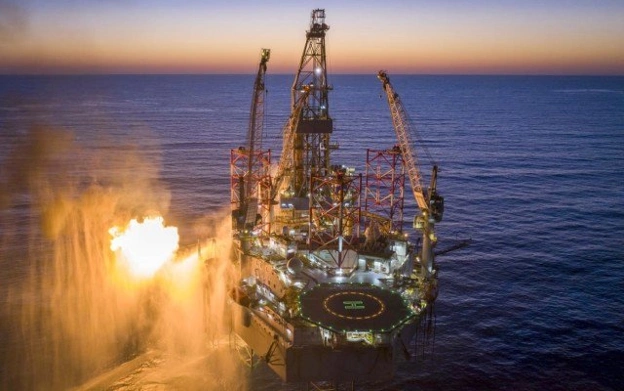
Figure 1: Dorado Oil Field [Source: Smallcaps]
Significance of the Dorado Project
The project addresses the energy security framework within Australia. The nation currently imports a percentage of its liquid fuel requirements from overseas refineries. Bringing this volume of domestic crude online alters the supply equation.
The Dorado project holds significant importance for Australia’s energy infrastructure and economic landscape:
- Boosts Domestic Supply: The project provides a direct source of fuel for Western Australian infrastructure, reducing dependence on international shipping lanes and ensuring operational continuity for industrial and transport sectors.
- Economic Benefits: Extraction activities generate state revenue through the Petroleum Resource Rent Tax system, create jobs during fabrication and installation, and offer procurement opportunities for local supply chains.
- Market Stability: Domestic production shields industries from global oil price volatility, helping to manage manufacturing costs and logistics, which benefits both businesses and consumers.
- National Energy Security: By increasing domestic volume, the project helps Australia meet International Energy Agency mandates for maintaining a ninety-day emergency fuel reserve, strengthening national compliance.
Key Stakeholders
Three companies hold equity positions in the petroleum retention licences. Santos Limited operates the asset and maintains an eighty per cent ownership share. Carnarvon Energy Limited holds ten per cent, while Taiwan enterprise CPC Corporation controls the remaining ten per cent.
| Company Name | Equity Stake (%) | Role |
|---|---|---|
| Santos Limited | 80% | Operator |
| Carnarvon Energy Limited | 10% | Joint Venture Partner |
| CPC Corporation | 10% | Joint Venture Partner |
Representatives from these organizations form the joint venture operating committee to manage cash allocations. Philip Huizenga oversees exploration strategy for Carnarvon Energy and coordinates with directors regarding drilling timelines. The National Offshore Petroleum Safety and Environmental Management Authority exercises regulatory oversight over all offshore activities.
Contractors will enter the project to manufacture the production infrastructure. The joint venture will award fabrication tenders for the wellhead platform and the storage vessel. Service operators in Western Australia will supply transport vessels and helicopter logistics.
Financial institutions monitor the capital requirements of the partnership to assess credit risk. Shareholders track the progress reports to evaluate asset valuations on the Australian Securities Exchange. The sector watches the project as an indicator of resource investment trends.
Equity partners share capital costs according to their percentage holdings. Santos handles operations under the joint operating agreement. The responsibility for field maintenance rests on all three participants.
Project Location
The Dorado field lies within the Bedout Sub-basin under Commonwealth waters off the Western Australian coast. The location sits approximately 140 kilometres north-west of Port Hedland. Water depths across the project zone measure between 70 and 120 metres.
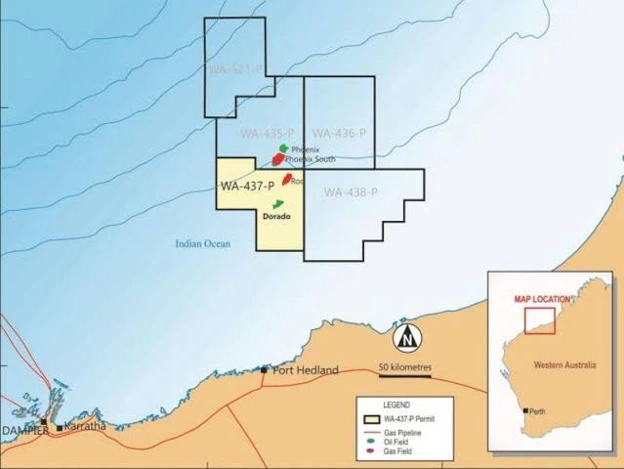
Figure 2: Dorado Oil Field Location Map [Source: Offshore Technology]
The boundaries of title WA-437-P define the zone where drilling crews confirmed the reservoir. The field occupies a position within the Roebuck Basin, separate from existing shelf pipelines. This location requires self-contained facilities to process and store the extracted fluids.
Geologists map the oil accumulation inside the Archer Formation, specifically within the Caley Sandstone Member. Shales above the reservoir form a seal that retains the hydrocarbons under the ocean floor. This architecture preserves the fluid contents under reservoir pressure.
The geographic positioning places the project close to Asian trade routes. This proximity facilitates the logistics of equipment delivery and future product marketing. The nature of the basin requires dedicated infrastructure hubs on the coast.
Port Hedland serves as the principal export hub for the Pilbara region. The town contains the port facilities and transport infrastructure required to support offshore logistics. Managing operations from this location reduces transit times for service vessels.
Project Timeline
Explorers discovered the petroleum system in 2018 during the drilling of the Dorado-1 exploration well. Wells in 2019 verified the continuity and thickness of the sandstone layers. The joint venture deferred the final investment decision in 2022 due to cost escalation across the global supply chain.
The partners signed a rig contract to secure machinery for the next phase. The agreement contracts the Transocean Equinox drilling rig to begin operations in April 2027. This campaign will test structures to evaluate the total basin capacity.
- 2018: Drillers discover the Dorado reservoir field via the Dorado-1 well.
- 2019: Appraisal wells confirm sandstone continuity across the block.
- 2022: Inflation forces a deferral of the project timeline.
- 2026: Partners sign the Transocean Equinox rig contract.
- Late 2027: Venture targets the final investment decision.
Philip Huizenga commented on the timing during his interview: “We are very excited to have signed the contract for the Transocean Equinox, the critical step for the Company to return to drilling in 2027.” The statement locks in the operational window for the engineering teams.
The timeline places the financial sanction for the late months of 2027. Engineering and fabrication will require three years of work following that milestone. The operators forecast the commencement of oil production around 2030 based on this sequence.
Also Read: How Venezuela Plans to Clear Crime Syndicates for International Mining
Market conditions in 2022 altered the financial viability of the production model. Supply chain pressures inflated the costs of raw materials and engineering labour. The optimization strategy addresses these factors by downsizing the infrastructure requirements.
Operational Strategy
The venture will use a phased extraction strategy to manage the reservoir architecture. Phase one focuses on liquid oil and condensate production to generate cash flow. The facility will reinject the gas back into the sandstone layers to maintain pressure and accelerate oil recovery.
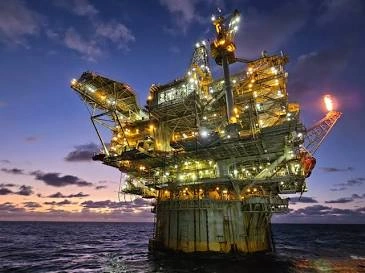
Figure 3: Offshore Production Concept [Source: Wikipedia]
The engineering concept utilizes a wellhead platform connected to a floating production, storage, and offloading vessel. The joint venture altered the design parameters to restrict the production rate to 60,000 barrels of oil per day. This modification allows the integration of a redeployed floating vessel instead of a new hull.
The development sequence follows specific stages:
- Drill development wells using the semi-submersible platform.
- Lay subsea flowlines to connect the wellhead to the vessel.
- Separate the fluids into oil, gas, and water components.
- Offload the stabilized crude oil to trading tankers for export.
Phase two will implement gas export infrastructure after liquid extraction rates decline. This phase will require environmental approvals and an offshore project proposal. The system will deliver gas to the Western Australian domestic market via a future pipeline connection.
The partners will fund the drilling costs from existing cash balances. Carnarvon Energy holds ninety-eight million dollars in cash reserves to meet its twenty-million-dollar share of exploration expenses. This financial position allows execution without immediate capital raisings.
Sources
- https://oilprice.com/Latest-Energy-News/World-News/Australias-344-Million-Barrel-Oilfield-Could-Finally-Get-the-Green-Light.html
- https://www.nsenergybusiness.com/projects/dorado-oil-and-gas-project/
- https://info.nopsema.gov.au/offshore_projects
Disclaimer: This article is provided for general informational purposes only and does not constitute financial, investment, or legal advice. All project timelines, resource estimates, and corporate developments are subject to change based on market conditions, regulatory approvals, and operational factors. Readers should consult with qualified professionals before making any investment or strategic decisions based on this information.

Luke Carlino is a seasoned Copywriter, Content Strategist, and Social Media Manager specialising in Mining, Finance, and Business journalism. With more than a decade of industry experience, he brings rigorous editorial standards and commercial acuity to every project.