

Super Retail Group Ltd fell sharply on Thursday after a trading update was issued by the retailer, which investors were not happy with. The ASX-listed firm had less sales momentum for its major brands in the second half of FY2026.
Operating costs began to climb, too, and that added to concerns. Shares fell 13% to a 52-week low of $10.08 at the opening of trading. Investors embraced any sign of consumer slowing and retail conditions declining.
Pressure from inflation, rising fuel prices, and declining confidence among consumers was increasingly evident in the retail market around the country, the update said.

Super Retail shares fell sharply after weaker trading conditions impacted investor confidence. [Courtesy: Finance News Network]
Why Are Super Retail Shares Crashing Across The ASX?
The Super Retail stock price plunged in the wake of the company’s post-market trading update on Wednesday evening. Management noted that the first 18 weeks of the H2 were like-for-like sales growth of just 0.4%. Sales growth was 1.9% for the total.
Retail investors were disappointed in the slowdown across all four retail brands. The Middle East crisis dampened consumers’ confidence, the company added.
Higher fuel prices, inflationary pressures, interest rates, and fuel availability issues negatively affected spending activity. The Easter trading period was hit hardest by duller trading conditions for consumers across the country, management said.
How Did BCF Become The Weakest Performing Brand?
BCF was the worst performer on the Super Retail Group portfolio in the second half of FY2026. The outdoor retail company saw like-for-like sales drop 3.3% for the first half of the year.
High fuel prices and fuel supply restrictions negatively impacted customers’ participation in outdoor activities, management said. During the Easter holiday and because of school holidays, regional consumers trimmed their travel plans.
The retailer also pointed to the poor trading calendar, due to the separation of Easter and Anzac Day. This had an impact on a lot of purchases. The lower level of BCF activity was seen by investors as a reflection of more sluggish discretionary spending activity throughout Australia’s retail sector.
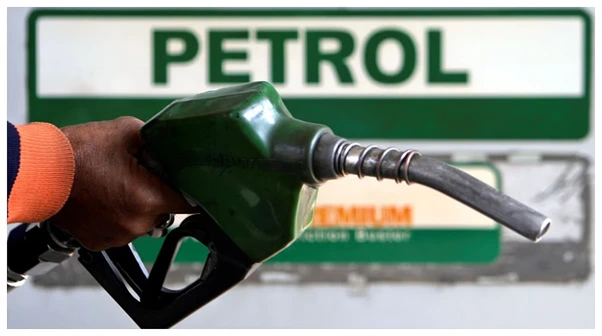
BCF experienced declining sales as high fuel prices reduced outdoor travel activity. [Courtesy: Free Press Journal]
What Happened Across Supercheap Auto, Rebel, And Macpac?
There were mixed results among the other retail brands in the most recent trading period. Supercheap Auto posted 1.6% like-for-like sales increases for the second half to date. Management did report some less favorable trading conditions, however, in March and April. Demand levels for discretionary items, such as power tools, were lower.
Those drops were partly offset by demand for fuel-related products and DIY products. Rebel more than held its own with a like-for-like growth of 1.4% and an increase in market share. The sports goods category saw a drop in performance in March and April, however.
Like-for-like sales growth was 2.5%, but the downturn in business as a result of lower outdoor activity didn’t help the momentum build in advance of the winter trading period, the critical period for outdoor apparel and equipment sales.
Why Are Rising Costs Adding Pressure To Super Retail Shares?
There’s another big factor that’s weighing on Super Retail shares as they crashed today, and that’s margin pressure. The retailer explained that group gross margins during the second half continued to be slightly lower than in the previous comparable period.
The rising cost expectations of the companies for FY2026 also weighed on the investor sentiment. Costs, which were previously expected to be $66 million, have been revised to total and unallocated costs. That is up from its previous guidance of $60 million. However, management blamed the increased costs on project investments.
This encompasses the move to a new Victorian distribution centre and the roll-out of a new HR Core and Payroll system. Increased costs led to doubts about the prospect for profitability and earnings growth.
How Are Consumer Spending Conditions Affecting Retail Stocks?
Cautious household spending behaviour continues to put pressure on Australia’s retail sector. Larger household unit expenses, high interest rates, and continued inflation pressure continue to impact consumers.
The rise in fuel has also helped to cut back on a few categories of discretionary spending. Spending in outdoor and travel-related areas was especially soft over the past few months.
Super Retail Group’s update emphasized the impact of external economic factors on consumer buying habits. Retailers are getting under investor scrutiny for broader economic weakness.
Weaker sales numbers at Super Retail Group added to concerns over declining discretionary spending in Australia. Consumer confidence continues to take a hit in uncertain economic times, driving retail shares to continue to be sensitive.
Rising living costs and inflation continue impacting Australian retail spending patterns. [Courtesy: ET Auto]
What Does The Trading Update Mean For Investors?
The new trading update could be a cause of more investor caution on exposure to the retail sector in the coming months. Super Retail Group is exposed particularly to consumers’ discretionary spending trends.
The slow sales growth and increasing operating expenses may impact FY2026 earnings performance. Investors also may be concerned about future “margin pressures” if inflationary pressures persist.
Some analysts might see the selling off as an opportunity, as the share price has dropped significantly, but there is a possibility of the trading improving in the future.
But the guarded tone in the consumer sentiment comments from management hinted at perhaps not a rosier picture for retail activity in the near term. The market will be watching closely to see if sales continue to pick up in the crucial winter trading season.
Can Super Retail Group Recover From This Market Sell-Off?
Super Retail Group continues to operate a number of recognised retail brands which have strong market presence throughout Australia. Despite soft sales in the category, Rebel maintained its market share.
Macpac also posted good growth in advance of the winter season. But there is a challenge for management to keep costs down and satisfy a more subdued demand environment. Investors are well aware of the need to monitor whether the VC change in the distribution centre will lead to better long-term efficiency measures.
Consumer confidence recovery could also be affected by future interest rate changes, as well as the price stability of fuels. Super Retail’s capacity to control margins and keep a lid on sales growth will be crucial in determining the share price’s recovery from the steep plunge in the market on Thursday.
Also Read: Super Retail Group Appoints Paul Bradshaw as Chief Executive Officer
FAQs
Q1: Why Did Super Retail Shares Fall 13% Today?
A1: Super Retail shares fell after weaker sales growth and higher operating costs disappointed investors. The stock dropped to a 52-week low of $10.08 during Thursday trading.
Q2: Which Brand Performed Worst In The Trading Update?
A2: BCF delivered the weakest performance with a 3.3% decline in like-for-like sales. High fuel prices and weaker outdoor activity affected customer spending.
Q3: What Are Super Retail Group’s Updated FY2026 Cost Forecasts?
A3: The company increased total group and unallocated cost expectations to $66 million. Previous guidance estimated costs at $60 million.
Q4: How Did Other Super Retail Brands Perform?
A4: Supercheap Auto grew sales by 1.6%, Rebel increased 1.4%, and Macpac achieved 2.5% growth. However, all brands experienced softer trading conditions during March and April.
Disclaimer
This article is for informational purposes only and does not constitute financial advice, investment guidance, or a recommendation to buy or sell securities. Market conditions and company performance may change rapidly. Readers should conduct independent research and consult a licensed financial adviser before making investment decisions related to Super Retail Group Ltd or any ASX-listed company.
Source Links
- https://www.fool.com.au/2026/05/07/why-are-super-retail-shares-crashing-13-today/
- https://www.superretailgroup.com.au/


