Rio Tinto (ASX: RIO) published its 2026 Half-Year Results on 29 July, and there was truth be told a fair bit for shareholders to get their heads around. Copper EBITDA surged whilst the productivity programme hit new milestones, as well as a more focused capital allocation was put in place for the company.
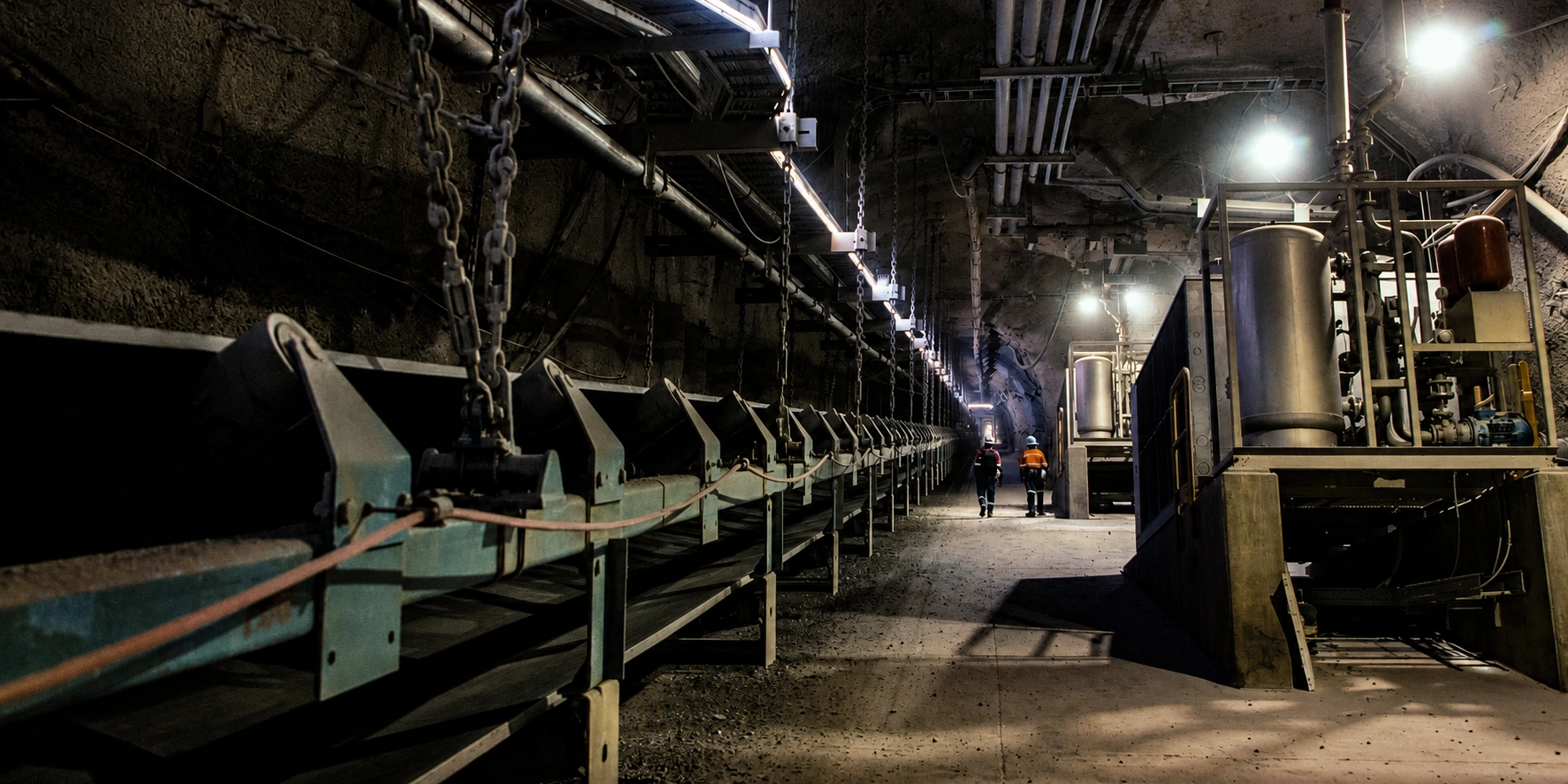
Figure 1: Underground conveyor system at the Oyu Tolgoi copper mine in Mongolia [Courtesy: Rio Tinto]
This Rio Tinto half-year results 2026 story matters for anyone tracking the diversified mining sector. Copper has now arrived as the Company’s clear growth engine, and its future strategy and mining pipeline point to real earnings expansion from 2028.
Rio Tinto Revenue Growth 2026: The Headline Numbers
| Metric | H1 2026 | vs H1 2025 |
|---|---|---|
| Underlying EBITDA | US$14.8bn | +28% |
| Cash Flow from Operations | US$9.2bn | +32% |
| Free Cash Flow | US$3.8bn | +75% |
| Underlying ROCE | 17% | +3pp |
| Net Debt | US$14.1bn | -2% |
| Dividend Payout Ratio | 50% | Flat |
Driving Outstanding Performance: The Productivity Push
Rio Tinto’s cost-cutting programme is gathering pace. The company had banked US$870 million in annualised productivity savings by the end of June 2026, spread across more than 80 initiatives.
Management is targeting a run rate of US$1.8 billion by the end of the year, roughly triple the US$650 million rate recorded at December 2025.
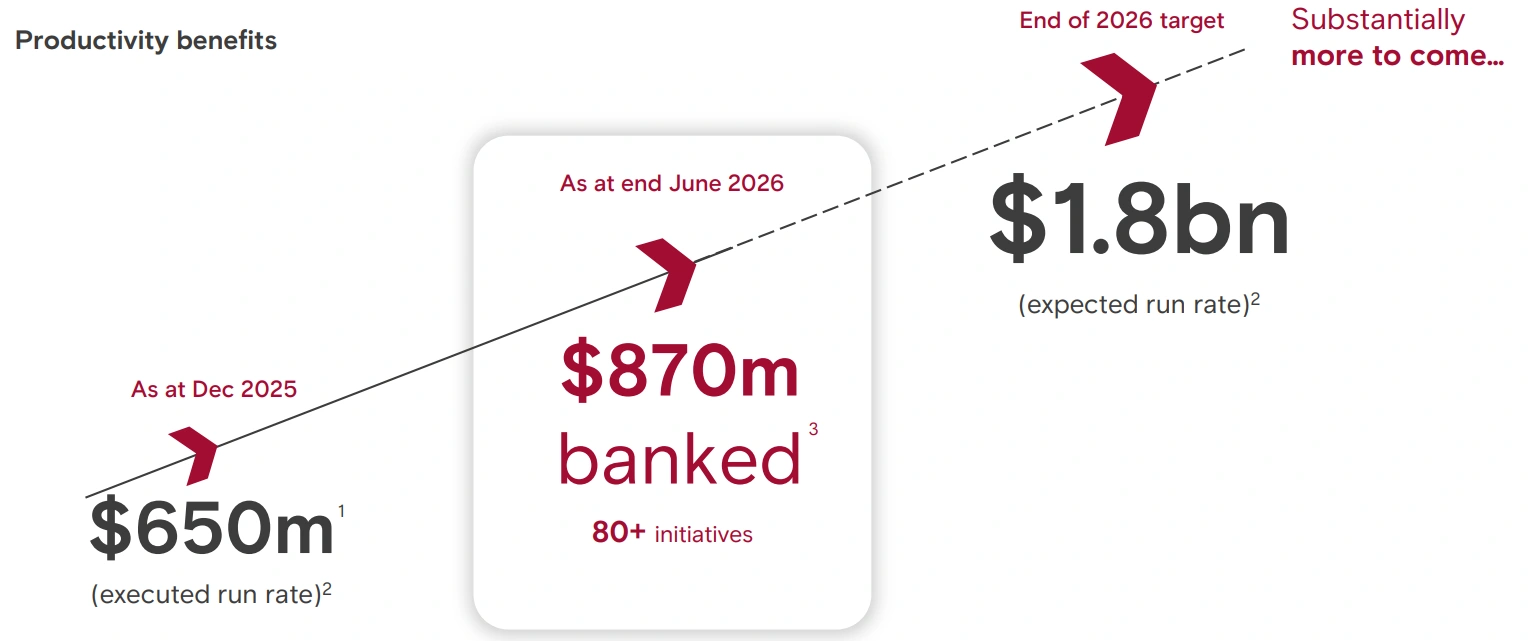
Figure 2: Rio Tinto’s productivity savings run rate, tracking toward a US$1.8 billion target by end of 2026 [Courtesy: Rio Tinto]
A few specific wins stood out in the results:
| Division | Initiative | Annual Saving | Impact |
|---|---|---|---|
| Copper | Faster development rates, Oyu Tolgoi underground | ~US$80m | >15% uplift in drawbell development |
| Iron Ore | Improved system resilience and availability | ~US$55m | +12% increase in plant operating time |
| Aluminium | Sharpened contractor management in smelters | ~US$40m | -20% in operator rates |
Rio Tinto Future Strategy Mining: Where the Growth Is Going
- Kennecott aims for a 40-50% increase in production from 2025 to 2028
- Beyond current mines, growth options being progressed at Resolution, La Granja and Winu
- Exploration projects and Nuton leaching technology add further upside
- Iron ore growth now depends heavily on Simandou in Guinea
- High-grade ore started shipping from Simandou during the half
- Lithium still a smaller piece of the business, but growing fast
- In-flight lithium projects targeting around 200ktpa of capacity by 2028
- Room to scale lithium further toward 470-520ktpa
Capital spending guidance stays disciplined:
| Period | Capex Guidance | Focus Areas |
|---|---|---|
| 2026/27 | Up to US$11bn | Sustaining, replacement, growth |
| 2028+ | Up to US$10bn | Step-down in spend, capacity for high-return options |
Management also flagged a plan to release US$5-10 billion in cash from the existing asset base by the end of 2026.
Balancing Growth With Shareholder Returns
Earnings here is what makes this result interesting, in that Rio Tinto is trying to do two competing things at once: fund a significant copper and lithium growth pipeline while also maintaining shorter-term shareholder satisfaction. Only a few miners implement that balance seamlessly, particularly with bulging commodity prices.
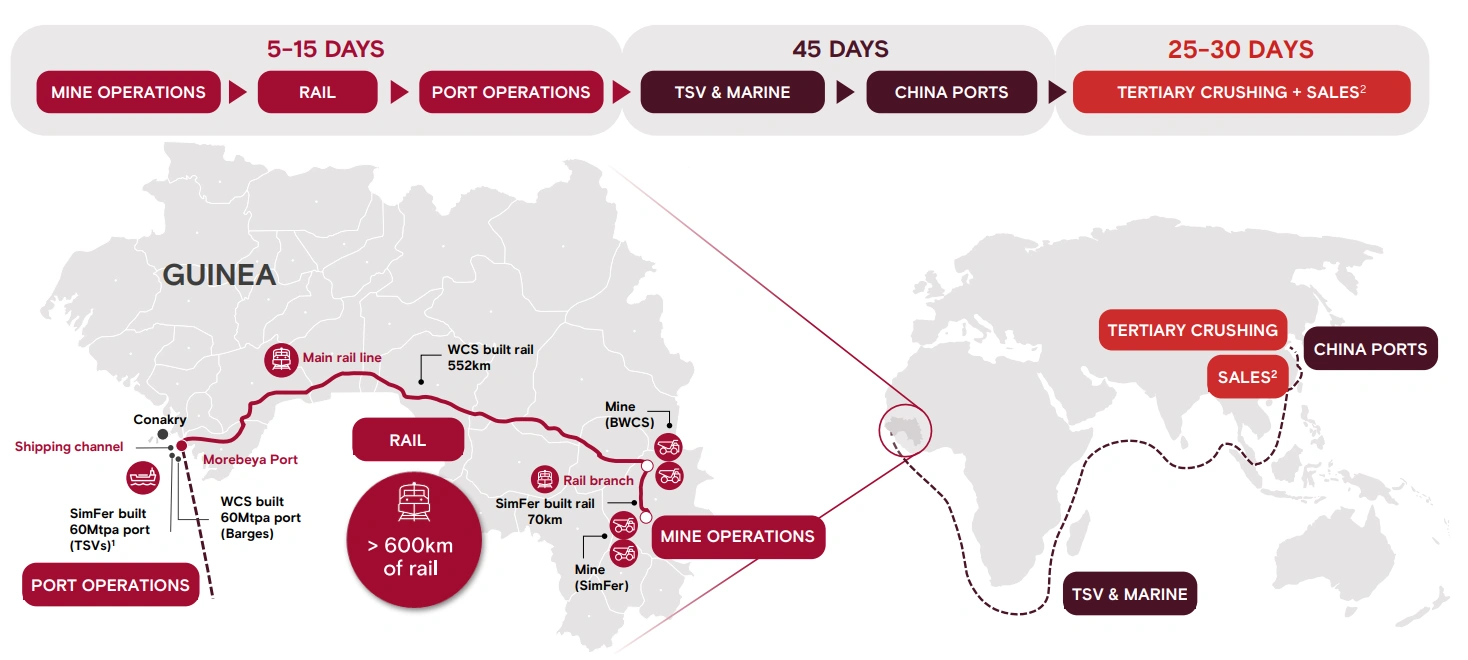
Figure 3: Simandou’s end-to-end value chain, from mine to China ports [Courtesy: Rio Tinto]
The Single A credit rating gives the company room to keep investing without stretching the balance sheet too thin. And the fact that dividends have stayed near the top of the payout range for a decade suggests management isn’t planning to sacrifice returns just to chase growth.
For investors looking to invest in the mining sector, the real question is not whether Rio Tinto can grow; it clearly can. It is whether that growth arrives on schedule, and whether copper prices hold up long enough to make the current spending pay off.
Rio Tinto Share Price (ASX: RIO)
- Last traded price: A$166.94
- Market capitalisation: A$59.31 billion
- 52-week range: A$110.31 to A$195.84
- Interim dividend declared: US$3.4 billion, up 43% year-on-year
- Dividend payout ratio: 50% for H1 2026
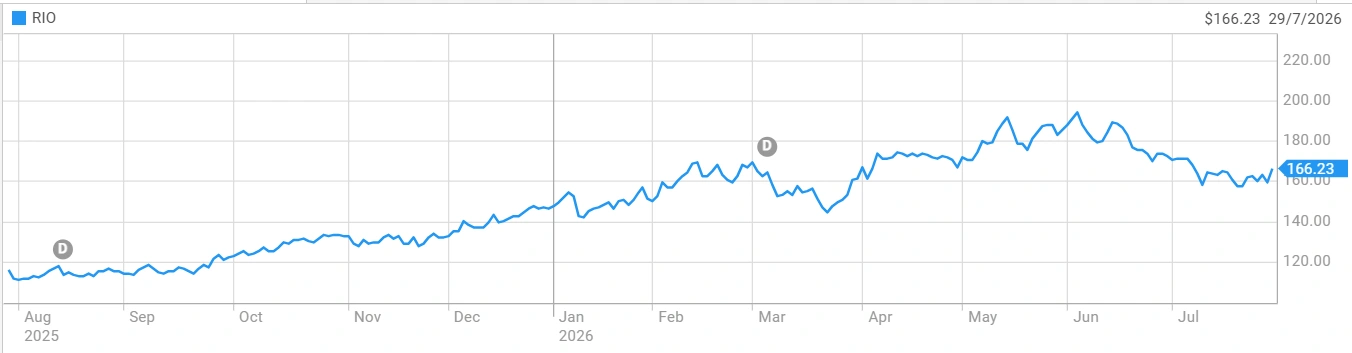
Figure 4: Rio Tinto (ASX: RIO) share price movement over the past 12 months [Courtesy: ASX]
Segment Snapshot
| Segment | Production H1 2026 | EBITDA H1 2026 | vs H1 2025 |
|---|---|---|---|
| Iron Ore | 164.5Mt (shipped) | US$6.8bn | -1% |
| Copper | 442kt | US$5.7bn | +84% |
| Aluminium | 1.7Mt | US$3.1bn | +31% |
| Lithium | 27kt LCE | US$0.2bn | +419% |
Future Direction and Impact on Rio Tinto’s Growth Strategy
Completion of the Oyu Tolgoi ramp-up will mark a major step toward the Company’s stated copper-first strategy.
According to the ASX announcement, Rio Tinto is progressing opportunities to release US$5-10 billion in cash from its asset base by the end of 2026. This funding supports continued growth investment while maintaining the Company’s Single A credit rating.
But for Rio Tinto long-term positioning, the upside may be huge. If Simandou ramp-up is successful, Rio Tinto’s revenue growth forecast for 2026 and future years would be upgraded positively.
Investors weighing the Rio Tinto half-year results 2026 should also track upcoming full-year results. Copper’s growth trajectory and iron ore pricing will shape near-term sentiment.
The Company’s lithium pipeline in Argentina adds further long-term optionality. Further investment decisions on capacity expansion are expected to be presented to the Board in the coming years.
ALSO READ: Carbonxt Restructures Balance Sheet to Back Kentucky Growth
FAQ
Q1. Preparing for the H1 2026 results, what did Rio Tinto report?
Ans. Iron ore production was flat; however, copper EBITDA was nearly double, benefitting from the ramp-up of Oyu Tolgoi.
Q2. Why is Oyu Tolgoi important to Rio Tinto’s future?
Ans. It positions Rio Tinto as a leading low-cost copper producer at scale from 2028 onward.
Q3. What happened with Simandou in the half?
Ans. The project began shipping high-grade iron ore for the first time, though volumes remain in early ramp-up stages.
Q4. What is driving Rio Tinto’s future strategy and mining outlook right now?
Ans. Expected rising copper and lithium demand due to quarterly electrification and AI infrastructure, led by a disciplined capital allocation plan.
Disclaimer
This article is meant only for informational purposes. If you are an investor watching Rio Tinto Limited closely, all data published in this content is sourced from the company’s official 2026 Half Year Results presentation and ASX announcements. Kindly verify all information related to share price and market data before making any decisions. Any investment should be made at the investor’s own risk. Colitco does not hold any position in the above-mentioned company.
Source:
- https://www.marketindex.com.au/data-api/api/v1/announcements/XASX:RIO:3A697771/pdf/inline/rio-tinto-2026-half-year-results-presentation
- https://www.asx.com.au/markets/company/RIO

Elizabeth Jones is a finance and mining content specialist with over 10 years of experience creating clear, SEO-driven content across fintech, investing, banking, insurance, cryptocurrency, and resource markets. She transforms complex financial data and industry trends into engaging, reader-focused articles that improve understanding and audience engagement.