CSL Limited (ASX: CSL; USOTC: CSLLY) did not see this one coming quietly. The European Medicines Agency’s expert committee has recommended revoking the marketing authorisation for TAVNEOS, a drug used to treat a rare and genuinely dangerous blood vessel disease. For investors watching CSL healthcare growth Australia, this is the kind of regulatory development that demands a closer look.
Figure 1: CSL Limited corporate branding [Courtesy: News Corp Australia]
TAVNEOS and the ANCA-Associated Vasculitis Treatment Space
TAVNEOS was not just another drug in CSL’s portfolio. For patients with very few alternatives, it was often the only modern oral option available.

Figure 2: TAVNEOS (avacopan) branding for the treatment of ANCA-associated vasculitis [Courtesy: TAVNEOS]
A Rare Disease With Very Few Options
ANCA-associated vasculitis might not be well known, but it’s a serious disease. The disease leads the body’s own immune system to target its blood vessels. That results in inflammation and irreversible organ injury, typically involving the kidneys and lungs.
There have long been few treatment options available for patients with the condition. TAVNEOS targets a specific receptor on inflammatory blood cells called C5aR1. Block that receptor, and those cells lose their ability to cause damage. The rest of the immune system keeps working normally. That gesture was thought to be a step forward in addressing adults with severe active disease.
The ADVOCATE Trial Now Under Scrutiny
The CHMP review zeroed in on how data were handled in the ADVOCATE trial, the Phase 3 study that originally got TAVNEOS approved. That trial was run by ChemoCentryx, the drug’s original developer, well before CSL entered the picture. Amgen acquired ChemoCentryx in 2022.
CSL came into the TAVNEOS story through its acquisition of Vifor Pharma. Commercialisation rights outside the US sat with Vifor Fresenius Medical Care Renal Pharma Ltd (VFMCRP) under a 2016 collaboration and licence agreement with ChemoCentryx. CSL inherited those commercial responsibilities. It did not conduct the clinical trial now at the centre of this review.
What the CHMP Opinion Means for Patients and the Business
On 26 Jun 2026, the CHMP recommended revocation of the EU marketing authorisation for TAVNEOS. This is not a final decision. The European Commission still needs to review the opinion and issue its ruling. But the regulatory direction is clear enough that CSL is already acting on it.
The Company expects to stop new patient initiations across EU and European Economic Area (EEA) markets, in line with regulatory guidance. Patients already on the treatment are not simply being cut off.
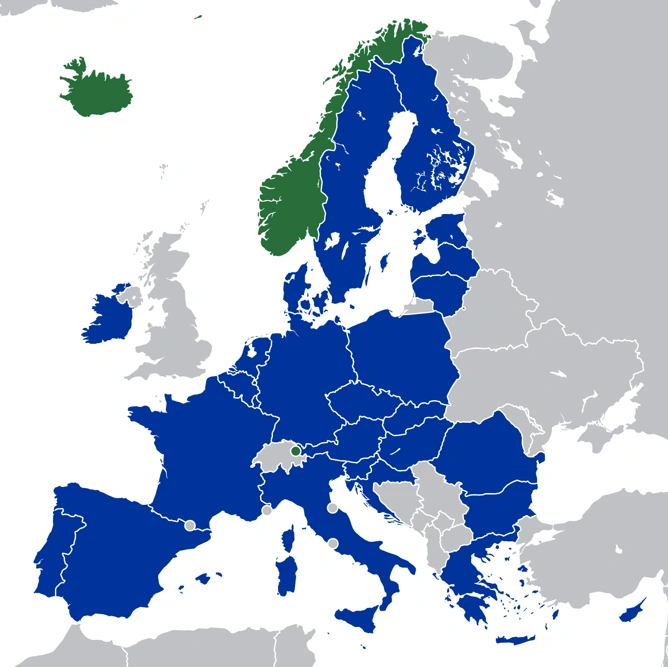
Figure 3: Map of European Economic Area (EEA) member states [Courtesy: Wikimedia Commons]
CSL has stated it is working closely with regulators, healthcare professionals, and patient organisations to manage the transition carefully and ensure continued support for those affected. The Company’s leadership has been direct about the difficulty of the situation for patients living with a condition that has always had limited treatment alternatives.
Financial Impact on CSL Healthcare Growth Australia
A$145 million in expected FY26 revenue is not a number CSL can simply walk away from. Investors tracking CSL healthcare growth Australia will want to understand exactly what this regulatory setback costs the business.
Revenue Expectations for FY26
For investors tracking ASX stocks Australia, the revenue numbers matter. TAVNEOS sales for FY26 are expected to come in at approximately A$145 million. That figure covers the current financial year, even with the EU situation now in play.
CSL will provide a fuller picture, including any impairment of TAVNEOS intellectual property, as part of the Company’s 2026 Full Year results in August 2026.
No Change to Earlier Impairment Guidance
This announcement does not revise the impairment estimate CSL gave investors on 11 May 2026. That is a notable point for anyone following ASX biotechnology stocks Australia closely. The August results will be the more detailed checkpoint, but the Company is not signalling a change to its financial position beyond what was already communicated.
Share Price Information
- Last price: A$115.69 per share
- Market capitalisation: A$55.01 billion
- 52-week range: A$90.000 to A$275.790 per share
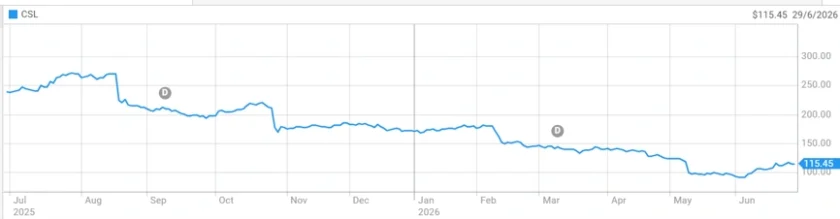
Figure 4: CSL Limited (ASX: CSL) one-year share price performance [Courtesy: ASX]
The CSL stock forecast Australia analysts watch closely will likely shift after August, once the full year results put a real number on the TAVNEOS damage.
Industry Outlook
The rare disease therapeutics sector continues to draw serious investment globally. Conditions like ANCA-associated vasculitis, where treatment options have historically been limited, sit in a growing area of medical need.
Awareness of autoimmune diseases is rising, diagnosis rates are improving, and the global market for vasculitis treatments is expanding as a result. For anyone watching CSL healthcare growth Australia, this broader backdrop matters.
One regulatory setback does not change the structural demand that exists for innovative therapies in this space.
Future Direction: Impact on CSL’s European Rare Disease Strategy
If the European Commission confirms the CHMP recommendation, TAVNEOS will no longer be available to new patients across the EU and EEA markets. The near-term revenue impact is real. CSL has already flagged that TAVNEOS intellectual property impairment is part of the FY26 accounting work underway.
The wider impact on CSL healthcare growth Australia depends on what the Company does next in rare diseases. CSL’s portfolio extends well beyond TAVNEOS, and its scale gives it room to absorb this setback.
The August 2026 full year results presentation will be the first proper look at how management frames the path forward. Investors in ASX healthcare stocks Australia will be watching that briefing closely.
FAQs
Q1. What is TAVNEOS?
Ans. An oral treatment for adults with severe ANCA-associated vasculitis, a rare disease where the immune system attacks the body’s own blood vessels.
Q2. Why is the EU pulling TAVNEOS approval?
Ans. Europe’s medicines regulator reviewed data handling in the ADVOCATE clinical trial. That review did not go in TAVNEOS’s favour. CSL did not run that trial.
Q3. Is this decision final?
Ans. Not yet. The European Commission still has the final say. CSL is already acting on regulatory guidance while that decision is pending.
Q4. What does this mean for CSL’s revenue?
Ans. TAVNEOS is expected to bring in around A$145 million for FY26. The full financial picture, including any asset impairment, comes with the August 2026 results.
Q5. Does this change CSL’s investor guidance?
Ans. No. The impairment estimate shared on 11 May 2026 stands. Nothing changes until the August full year results.
Disclaimer
This article is intended for informational purposes only. All data published in this content is sourced from the ASX announcement issued by CSL Limited and publicly available information. Readers are advised to verify all share price and market data independently. Any investment decision should be made at the investor’s own risk. Colitco does not hold any position in the above-mentioned Company.
Sources
- https://www.asx.com.au/markets/company/CSL
- https://www.csl.com
- https://data-api.marketindex.com.au/api/v1/announcements/XASX:CSL:3A696126/pdf/inline/update-on-tavneos?_gl=1*1apow8o*_ga*MTcwODQzODA4Ni4xNzYyMjUxMTk2*_ga_R504V9JPBH*czE3ODI2OTIwNDgkbzE2OSRnMSR0MTc4MjY5MjA1MSRqNTckbDAkaDA.

Luke Carlino is a seasoned Copywriter, Content Strategist, and Social Media Manager specialising in Mining, Finance, and Business journalism. With more than a decade of industry experience, he brings rigorous editorial standards and commercial acuity to every project.