
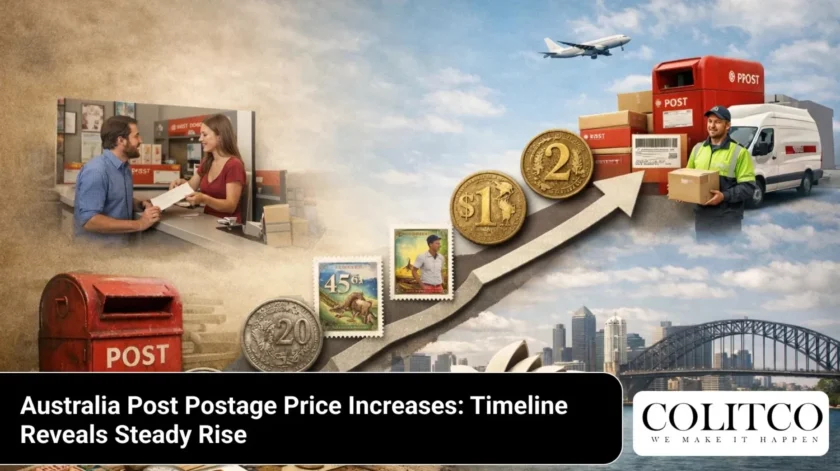
Australia Post lodged a proposal with the Australian Competition and Consumer Commission on 13 February 2026 to increase basic postage rates. The national postal provider seeks to raise stamp prices from $1.70 to $1.85 in mid-to-late 2026. This marks the second Australia Post postage price increase in less than 12 months.
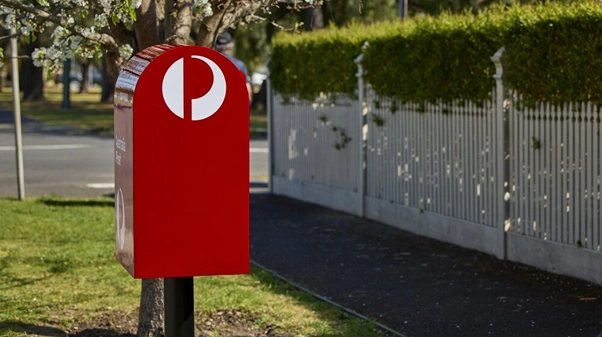
Figure 1: Australia Post street letter box. [Source: Parcel and Postal Technology International]
The Company reported a $230.4 million loss in its letters service during FY25. Letter volumes dropped 11.7% during the financial year, reaching levels not seen since the late 1930s. The Australia Post postage price timeline shows accelerating increases as mail usage continues declining across the country.
Second Australia Post Postage Cost Increase Within 12 Months
Australia Post received ACCC approval for an Australia Post postage cost increase in June 2025. The basic postage rate rose from $1.50 to $1.70 during that period. This represented a $0.20 increase approved by the competition regulator.
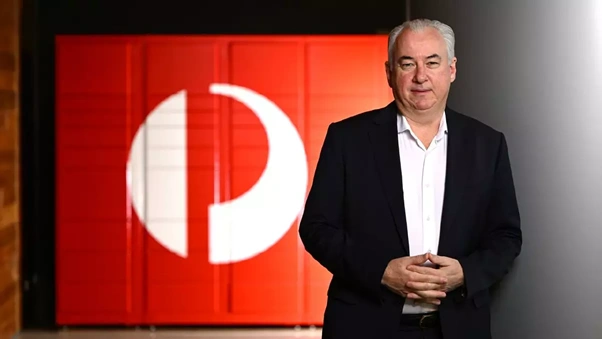
Figure 2: Australia Post Group CEO Paul Graham. [Source: The Canberra Times]
The latest Australia Post postage price increases proposal seeks a $0.15 rise from $1.70 to $1.85. Australia Post Group CEO Paul Graham said the increase addresses financial challenges in the letters service. The proposal maintains current pricing for concession stamps at 60c and seasonal greeting stamps at 65c. The Australia Post postage price timeline shows two significant increases within an eight-month period, reflecting urgent financial pressures on the postal service.
Letter Volume Decline Drives Australia Post Postage Price Timeline
Australia Post letter volumes fell 11.7% in FY25, excluding election activities. The Australia Post postage price increases correspond with mail usage dropping to levels not seen since the late 1930s. The letters service reported a $230.4 million loss despite election-related mail volumes.
Fewer than 3% of letters are now mailed by individuals, according to the Australia Post postage cost increases proposal. Government agencies and businesses send the vast majority of mail through Australia Post services. Paul Graham emphasised the disparity between usage reduction and service maintenance costs. Australia Post faces rising costs from delivering to a growing number of addresses each year, even as volumes decline. The Australia Post postage price timeline reflects this fundamental shift, requiring financial adjustments to maintain nationwide service coverage.
Concession Stamps Protected From Australia Post Postage Price Increases
The Australia Post postage price increases proposal does not affect concession stamp pricing. These stamps remain at 60c, unchanged for over 10 years since their launch. Seasonal greeting stamps will also stay at 65c under the current proposal.
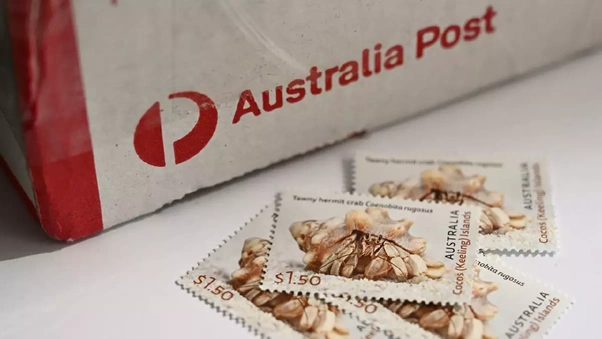
Figure 3: Australia Post stamps and branded packaging. [Source: The Canberra Times]
Australia Post increased the annual concession stamp limit from 50 to 75 per customer following the June 2025 Australia Post postage cost increases. The ACCC specifically recommended protecting vulnerable Australians from price impacts. Australia Post estimates the average cost impact on households at less than $1 extra annually. The Australia Post postage price timeline shows gradual increases spread over multiple years with most letters sent by businesses and government agencies rather than individual households.
Parcel Business Investment Shifts Company Focus
Australia Post purchased 500 new sustainable electric delivery bikes in 2025. Each bike features a 400% increase in parcel capacity compared to previous models. The Company focuses its investment on growing parcel delivery rather than declining letter services.
The Australia Post postage price increases help fund infrastructure for the expanding parcel business. Post office shops making significant losses have closed as the Company restructures operations. Customers increasingly adopt digital options instead of traditional mail services. The Australia Post postage cost increases reflect this fundamental shift in communication methods as businesses and government agencies explore electronic alternatives to reduce costs. The letters service requires ongoing subsidy despite price adjustments while parcel delivery growth partially offsets losses from declining mail volumes.
ACCC Approval Process for Australia Post Postage Price Timeline
The ACCC must approve all Australia Post postage price increases before implementation. The competition regulator examines financial justification and consumer impact. Australia Post submitted a draft Price Notification for the latest proposed increase.
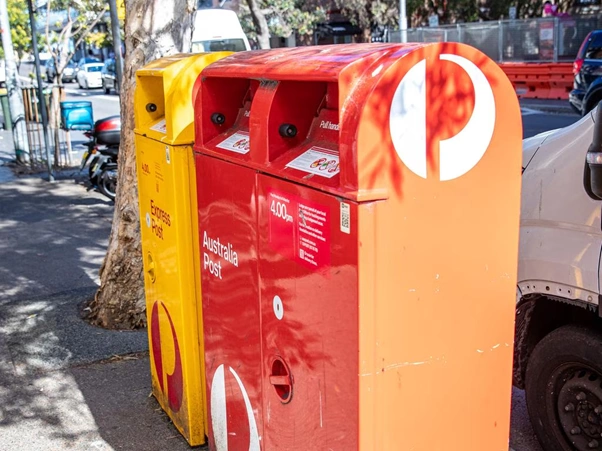
Figure 4: Australia Post street mailboxes in Australia. [Source: news.com.au]
ACCC commissioner Anna Brakey previously acknowledged the impact on consumers while noting Australia Post lost money running the national letter service. Australia Post proposes implementing the new $1.85 rate in mid-to-late 2026. The Australia Post postage cost increases await ACCC approval before taking effect. This timeline provides several months for regulatory review and public consultation. Australia would maintain one of the lowest stamp prices among the 38 OECD member states even after the increase takes effect.
FAQ
Q1. What are the proposed Australia Post postage price increases for 2026?
Ans. Australia Post proposes increasing the basic postage rate from $1.70 to $1.85 in mid-to-late 2026, representing a $0.15 increase, subject to ACCC approval.
Q2. When did the last Australia Post postage cost increase occur?
Ans. The last Australia Post postage cost increase was approved in June 2025, raising the basic rate from $1.50 to $1.70.
Q3. Will concession stamps increase in the Australia Post postage price timeline?
Ans. No, concession stamps remain at 60c, and seasonal greeting stamps stay at 65c. These prices have not changed in over 10 years.
Q4. Why does the Australia Post postage price timeline show frequent increases?
Ans. The Australia Post postage price timeline reflects declining letter volumes that fell 11.7% in FY25, creating a $230.4 million loss requiring price adjustments for sustainability.


