Investor attention has turned to the company on the heels of investor doubts about its rate of cash burn.
The ASX-listed mining firm continues to be loss-making and keeps investing in development projects with the cash it has available. Aspire Mining had US$5.0 million in cash and owed no money as of December 2025.
The company burned US$8.6 million in cash during the last year. This rate of spending provides Aspire Mining with an estimated cash runway of about seven months.
Cash runway is a metric that investors may be particularly interested in because it indicates financial flexibility and the sustainability of operations. With the new numbers, funding could get even more critical in 2026.

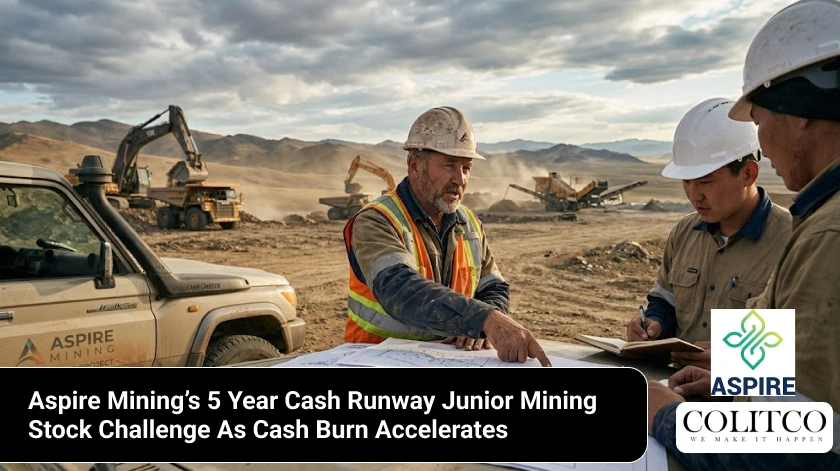
Aspire Mining held US$5.0 million in cash and remained debt-free at December 2025. [Courtesy: Aspire]
What is Aspire Mining’s Cash Runway to its Spending Rate?
The cash runway of a company is the amount of time that the company’s cash can sustain the business. The seven-month runway signifies a relatively short funding period for Aspire Mining.
This calculation is done by dividing the cash that is available by the negative free cash flow for the current year.
Debt-free status offers some financial flexibility, but the company is under pressure to pump new money into the system if its spending is heavy. Short runways are viewed very carefully by investors, as they may trigger a sense of urgency for fundraisers.
Capital continues to be vital when projects are advancing for explorers. If the trends of spending and spending continue, management should be interested in other funding solutions based on Aspire Mining’s current position.
What Factors Are Driving Investor Concerns?
Several developments have prompted closer examination of Aspire Mining’s financial profile. Key factors include:
- Cash burn increased by 160% year-on-year.
- The company remains without meaningful operating revenue.
- Existing cash reserves cover only around seven months of spending.
- Future project development may require additional capital.
This combination often raises concerns among investors evaluating junior mining companies. Exploration businesses frequently operate without revenue during the early stages. However, rapid increases in expenditure can place added pressure on balance sheets.
Aspire Mining’s spending growth significantly exceeded its available cash runway, creating uncertainty regarding future funding requirements and capital management strategies.
Rising expenditure has intensified investor focus on Aspire Mining’s funding outlook. [Courtesy: Dreamstime]
Can Aspire Mining Easily Raise Additional Capital?
One factor supporting Aspire Mining’s outlook is its ability to access capital markets. The company held a market capitalisation of approximately US$89 million while burning US$8.6 million over the previous year. This annual cash burn represents about 9.7% of the company’s market value.
Several funding pathways remain available:
- New share issuances to existing and new investors.
- Debt financing if suitable lending conditions emerge.
- Strategic partnerships supporting project development.
- Future equity placements linked to exploration milestones.
Because the cash burn represents a relatively modest proportion of market capitalisation, raising additional funds may be achievable. Investors often assess this relationship when evaluating funding risks within resource companies.
What Does The Rising Cash Burn Mean For Future Growth?
Increasing expenditure can reflect aggressive development activity rather than operational weakness alone. Junior mining companies frequently accelerate spending when advancing projects or expanding exploration programs. Aspire Mining’s higher cash burn may therefore indicate efforts to unlock future project value.
Important considerations include:
- Exploration progress and resource development outcomes.
- Capital allocation efficiency.
- Timing of future funding requirements.
- Potential value creation from increased investment.
Investors will want to see tangible progress in the projects through an increase in expenditures. When it comes to revenue, demonstrating milestones achieved and potential future growth can be important to retaining investor trust. Future announcements from the company may then be given special market interest.
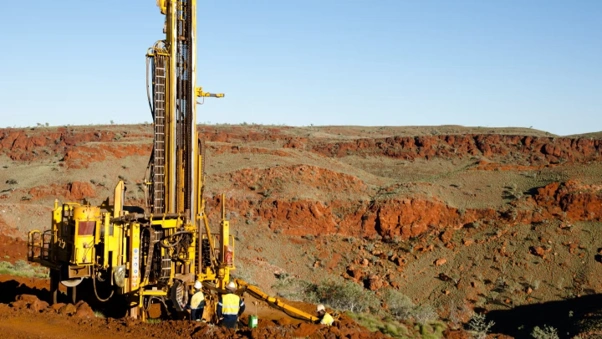
Exploration-focused spending aims to support Aspire Mining’s long-term project growth. [Courtesy: Mining Technology]
Why Does Market Capitalisation Matter In This Assessment?
Market capitalisation provides insight into fundraising flexibility. Aspire Mining’s US$89 million valuation significantly exceeds its annual cash burn. This relationship can help reduce immediate funding concerns because the company may potentially raise capital without excessive dilution.
The challenge of growth and funding risk will be key for resource investors. It is possible for companies with high market valuations to have more room to access equity markets. Investors keep valuing Aspire Mining’s assets and future prospects, as evidenced by the company’s valuation.
However, continued increases in expenditure could alter this balance over time. Monitoring both valuation and spending trends will remain important for shareholders assessing future risk and opportunity.
What Should Investors Watch Next?
Aspire Mining’s financial position presents both opportunities and challenges. The company’s debt-free balance sheet is a positive factor. But a quick burn through of cash and a short runway require close watching. Investors will likely prioritise future capital raises, milestones, and spending discipline.
Key areas to watch include:
- Future funding announcements.
- Exploration and development progress.
- Cash balance updates.
- Management’s capital allocation strategy.
- Market response to operational achievements.
Investors seeking broader ASX and investment market developments may also follow related mining and resource sector opportunities shaping future capital flows and project growth.
Also Read: TVault Minerals Moves Closer to Restarting its Canadian Gold Mine
FAQs
Q1: What Is Aspire Mining’s Current Cash Runway?
A1: Aspire Mining’s cash runway is approximately seven months. The estimate uses US$5.0 million in cash and an annual cash burn of US$8.6 million.
Q2: Does Aspire Mining Have Any Debt?
A2: No. Aspire Mining reported no debt as of December 2025. This provides some financial flexibility despite funding concerns.
Q3: How Large Is Aspire Mining’s Market Capitalisation?
A3: Aspire Mining’s market capitalisation stands at approximately US$89 million. Annual cash burn represents around 9.7% of this value.
Disclaimer
This article is intended to provide general information only and is not a financial, investment or trading recommendation. The information is derived from data that is publicly available and from company disclosures. Investors are advised to make their own investment research and seek professional financial advice before investing. The risks associated with mining stocks include funding, commodity price fluctuations, uncertainty of exploration and market fluctuations. The past is not the future, and hence, performance cannot be guaranteed.
Sources:
- https://simplywall.st/stocks/au/materials/asx-akm/aspire-mining-shares/news/were-keeping-an-eye-on-aspire-minings-asxakm-cash-burn-rate
- https://www.asx.com.au/markets/company/AKM

Luke Carlino is a seasoned Copywriter, Content Strategist, and Social Media Manager specialising in Mining, Finance, and Business journalism. With more than a decade of industry experience, he brings rigorous editorial standards and commercial acuity to every project.