
Australia is introducing a new energy initiative called the Solar Sharer scheme. Beginning in July 2026, it will provide households in New South Wales, South Australia, and southeast Queensland with three hours of free solar power each day. The scheme covers homes with smart meters, whether or not they have rooftop solar panels. It aims to reduce electricity costs and better utilise surplus solar energy generated during sunny hours.
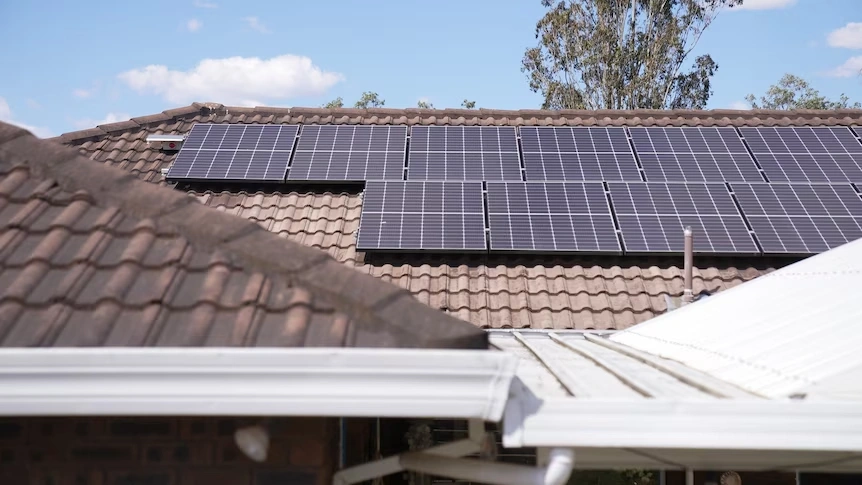
Homes without rooftop solar panels also qualify for this scheme
How Australians Can Access Free Solar Power
- Households must be in New South Wales, South Australia, or southeast Queensland to join initially.
- A smart meter installation is necessary to participate in the Solar Sharer program.
- Residents must actively opt in through their electricity retailer; the benefit is not automatic.
- After enrolment, customers receive free electricity during a daily window, usually mid-morning to early afternoon.
- This free period coincides with peak solar generation when the grid has surplus solar energy.
- The program covers all household electricity use during this window, including appliances and electric vehicle charging.
- Both homes with and without rooftop solar panels can participate as long as they meet the criteria.
Those who do not wish to wait for the scheme can consider installing rooftop solar panels themselves or invest in home battery storage to take greater control of their energy usage. Various government rebates and subsidies are available for solar installation and battery systems, which can accelerate access to green power.
Households Most Likely to Benefit
The scheme benefits a wide range of households. Those with solar panels can consume their own solar energy during peak generation hours without cost. Renters, apartment dwellers, and homeowners without solar panels also qualify, provided they have a smart meter and choose to participate. The program particularly helps households able to shift high electricity usage, such as running washing machines or charging electric vehicles, to the free solar hours.

How to Make the Most of Free Power
- Households should shift energy-intensive activities to the free solar power period to maximise savings.
- Scheduling dishwashers, washing machines, air conditioners, and electric vehicle charging during these hours can reduce electricity costs.
- Smart appliances with delay-start features help easily align energy use with the free solar window.
- Home battery owners can charge their batteries during free solar hours and use stored electricity during peak demand periods.
- Monitoring energy consumption and adjusting usage patterns to match the free solar period helps reduce grid pressure.
- Aligning consumption with solar availability reduces reliance on costly, non-renewable power sources in the evenings.
This behavioural change supports grid stability by smoothing demand fluctuations and lowering bills. These practical steps will allow Australians to fully benefit from the daily three hours of free solar power under the Solar Sharer program starting mid-2026.
Impact on Electricity Bills
Free solar power will help reduce electricity bills for households that shift part of their energy consumption to the free period. Analysis from the federal energy department showed that a single-person household could save around 9% on their bill by moving 10% of their energy use to the free hours. The overall effect depends on individual usage patterns and participation in the scheme.
The government highlights that the initiative will lower costs not only for individual consumers but for the electricity system as a whole by reducing peak demand and the need for expensive infrastructure upgrades.
Details of the Solar Sharer Scheme
Energy Minister Chris Bowen announced the Solar Sharer scheme on 3 November 2025. He stated, “People who are able to move electricity use into the zero-cost power period will benefit directly, whether they have solar panels or not and whether they own or rent. The more people take up the offer and move their use, the greater the system benefits that lower costs for all electricity users.”

The scheme is implemented through changes to the Default Market Offer, which regulates price caps on retail electricity in parts of Australia. More than four million Australian households currently have rooftop solar installed, contributing significantly to daytime electricity supply.
The government expects the scheme to start in July 2026 and initially be available in New South Wales, South Australia, and southeast Queensland. Expansion to other states may follow in 2027, depending on success and regulatory approvals.
Solar Power in Australia and National Energy Goals
Australia’s rooftop solar capacity has grown rapidly, reaching over four million residential installations. Solar contributed about 12.8% of electricity consumption in early 2025, with its share rising steadily. The country aims to generate 82% of its electricity from renewable sources by 2030 and reduce greenhouse gas emissions by at least 43% from 2005 levels.
The Solar Sharer program aligns with these goals by optimising existing solar resources and encouraging behavioural changes that benefit the entire energy system.
Also Read: Australia’s Under-16 Social Media Ban: Julie Inman Grant Flags Risks Beyond Regulated Platforms
Additional Government Support
The government provides multiple rebates and subsidies to assist households with solar panel and battery installations. Incentives can cover up to 40% of the cost in some regions, helping households improve energy efficiency and reduce grid dependence.
Advice for Australians
Households should prepare for the Solar Sharer launch by ensuring they have a smart meter and monitoring their electricity consumption patterns. Scheduling appliances and charging electric vehicles during the free solar hours will help capture the most value from the program.
For households without solar panels, considering private solar or battery storage is beneficial. Those renting or living in apartments can also participate, which broadens access to renewable energy benefits.
Conclusion
From July 2026, Australians in three states will benefit from three hours of daily free solar power. The Solar Sharer program, requiring smart meter participation, aims to reduce bills, alleviate grid pressure, and promote clean energy use. The scheme applies to all eligible households, encouraging a shift in electricity consumption to midday solar generation peaks. This initiative marks a national step towards a more cost-effective and sustainable energy future in line with Australia’s emissions reduction targets and renewable energy expansion.