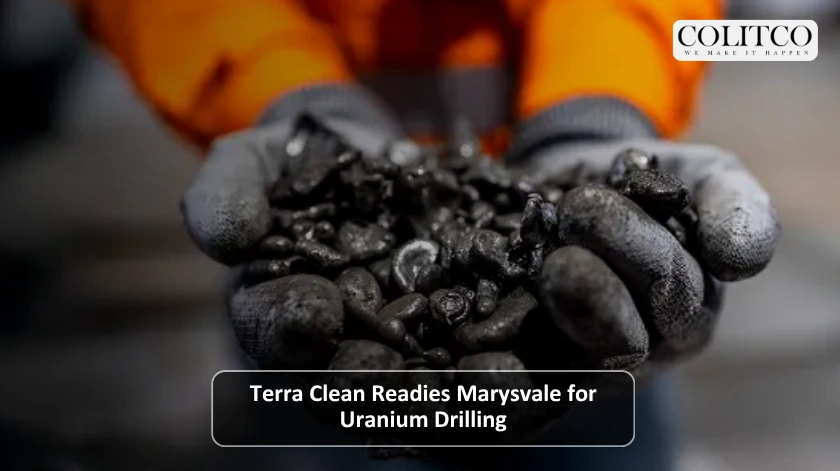
Terra Clean Energy Corp. (CSE: TCEC) is preparing to start field work at its Marysvale Uranium Mines Project in Utah, taking the project another step towards Marysvale uranium drilling.
Mobilisation is scheduled for 21 September 2026. The upcoming work will include five permitted drill pads, seven exploration trenches and access preparation for the crews and equipment expected to follow.
Until now, much of Terra’s work at Marysvale has centred on permits, historical data, geological modelling and airborne surveys. The September programme changes that. The company will now be able to compare those interpretations with what geologists can actually see and sample on the ground.
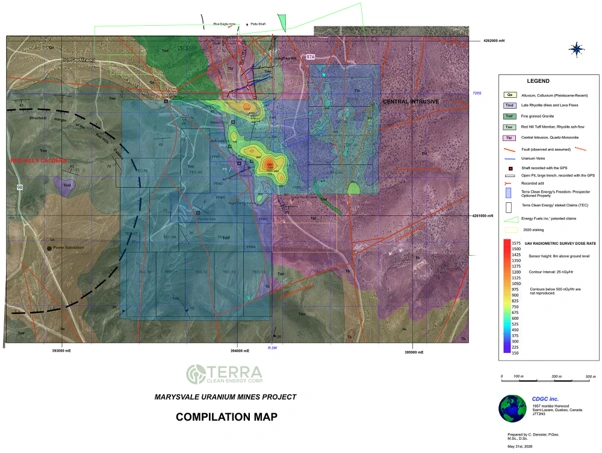
Figure 1: Compilation map showing claims, geological structures and exploration targets at the Marysvale Uranium Mines Project [Courtesy: Terra Clean Energy Corp.]
What Happened at the Marysvale Project
Terra appointed Rollins Construction & Trucking of Milford, Utah, to prepare the exploration area ahead of drilling.
The contractor will build the five approved drill pads, excavate seven trenches and improve access where needed. Terra’s geological team will then use the newly exposed ground for mapping, radiometric readings and sampling.
Details of the programme were outlined in the company’s official Marysvale field-work announcement.
Work Undertaken by Terra Clean Energy
- Five permitted drill pads will be prepared for the planned diamond core drilling programme.
- Seven trenches will be opened across selected targets for geological mapping, radiometric surveying and sampling.
- Access routes will be prepared so field crews and drilling equipment can move into the target areas.
Why This Matters for Investors
The important part of the announcement is not simply that construction work is starting. It is what that work allows Terra to do next.
Trenching gives geologists a closer look at structures that were previously interpreted through old mine records, mapping and airborne data. If those observations line up with the existing geological model, Terra can place drill holes with more confidence.
The Marysvale district also comes with a mining history. Terra states that the wider area produced more than 1.33 million pounds of U₃O₈ at an average grade of about 0.22% U₃O₈.
That history gives the company somewhere logical to start, but it is not a substitute for current exploration. Investors will still need to see modern drill results showing grade, width and continuity before the project can be assessed in greater detail.
Who Is Involved
Terra Clean Energy is the company advancing the project. It trades on the Canadian Securities Exchange under the symbol TCEC.
Chief Executive Officer Greg Cameron is leading the company’s current exploration strategy, while Rollins Construction & Trucking has been brought in for the site preparation phase.
Once the earthworks are complete, Terra’s geology team will take over the technical field programme and refine the drill priorities.
Where the Marysvale Project Is Located
Marysvale sits in Utah’s historic Marysvale Uranium District.
Terra controls 20 Bureau of Land Management lode claims covering about 380 acres. The package includes the former Prospector 1, Prospector 4, Freedom 1 and Freedom 2 mines.
According to Terra’s Marysvale project overview, the Prospector and Freedom mines accounted for more than 75% of recorded uranium production from the district.
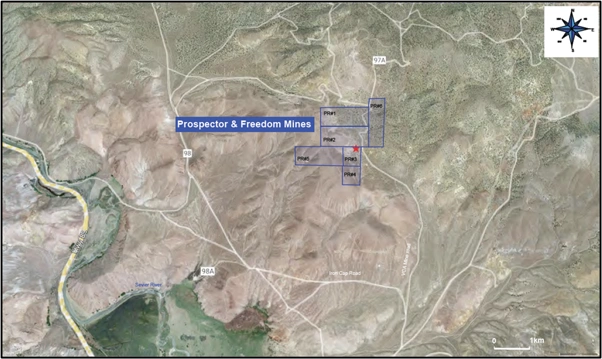
Figure 2: Claim map of the Prospector and Freedom uranium mines near Marysvale, Utah [Courtesy: Terra Clean Energy Corp.]
When the Announcement Was Made
Terra released the field-work update on 10 September 2026.
Mobilisation is planned for 21 September, roughly a month after the company received permits covering the five drill pads and seven trenches.
The sequence matters. Terra first had to complete the permitting stage before moving contractors onto the ground. With that hurdle cleared, the project can now progress into physical target preparation.
How the Exploration Programme Will Be Carried Out
The trenches will expose selected areas where uranium-bearing structures are thought to come close to surface.
Geologists can then map those structures, take radiometric measurements and collect samples. The new information will be compared with historic mine records, Terra’s 3D geological model and its airborne radiometric and photogrammetric survey data.
Marysvale Exploration Programme
| Activity | Planned Work |
| Drill Pads | Five permitted locations |
| Trenches | Seven exploration trenches |
| Mobilisation | 21 September 2026 |
| Drilling Method | Diamond core drilling |
| Targeting Data | Historic records, 3D modelling and airborne surveys |
| Ownership | 100% Terra Clean Energy |
That process may sound methodical, but it serves a practical purpose. A drill hole is expensive. The more information Terra can gather before drilling starts, the better its chance of testing the right part of the system.
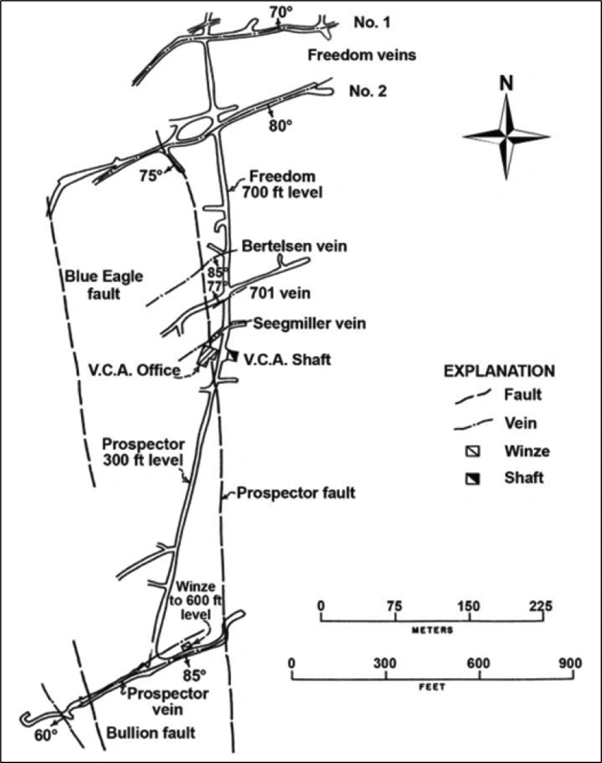
Figure 3: Historic Vanadium Corporation of America mine workings within the Marysvale uranium district [Courtesy: Terra Clean Energy Corp.]
Terra Clean Energy Future Workplan
The first job is straightforward: complete the pads, trenches and access work.
After that, the company can review what the trenching reveals and adjust drill locations where necessary. Diamond drilling is expected to focus on targets around the Prospector and Freedom mine areas.
From there, drill core and assays become the main story.
Any meaningful uranium intersections could lead to follow-up holes or a larger programme. Weak results, on the other hand, could force Terra to rethink parts of its geological model.
About Terra Clean Energy Corp.
Terra Clean Energy is a uranium exploration company with assets in the United States and Canada.
Marysvale is its Utah project, while the company also has exposure to uranium exploration in Canada’s Athabasca Basin.
Its approach at Marysvale combines historic mine information with newer exploration tools, including airborne surveys, digital geological modelling and planned diamond drilling.
Industry Outlook
Uranium remains closely watched as more countries reassess nuclear power within their long-term electricity and energy-security plans.
For exploration companies, historic uranium districts can be useful because previous mining has already identified mineralised systems. That does not remove exploration risk, but it gives geologists a starting point.
Colitco has also been tracking drilling-led uranium stories elsewhere, including Paladin Energy’s uranium exploration work at Patterson Lake South.
Future Direction and Impact on Terra Clean Energy’s Exploration Pipeline
The next phase at Marysvale will give investors clearer milestones to track:
- Trenching comes first: Terra will begin by exposing selected target areas and collecting fresh geological observations from the ground.
- Target refinement follows: Results from trenching, mapping and sampling will be compared with historical data, airborne surveys and the company’s geological model.
- Drilling becomes the key test: Once drill core is recovered, attention will shift to uranium grades, mineralised widths and whether mineralisation continues beyond the historic mine workings.
- The programme could expand: If the geological model is supported by drilling, Marysvale uranium drilling could develop into a broader exploration campaign.
- Modern data will guide the next move: Whether results are strong or mixed, the September programme will help Terra move beyond historical evidence and make future exploration decisions using current geological data.
ALSO READ: Atha Energy Uranium Discovery Highlights Canada’s Growing Exploration Pipeline
FAQ
Q1. What is Terra Clean Energy doing at Marysvale?
Ans. Terra is preparing five drill pads, seven exploration trenches and access routes ahead of planned diamond drilling.
Q2. Where is the Marysvale Uranium Mines Project?
Ans. The project is in Utah’s historic Marysvale Uranium District in the United States.
Q3. When will field work begin?
Ans. Contractor mobilisation is scheduled to begin on 21 September 2026.
Q4. Why is Terra trenching before drilling?
Ans. Trenching lets geologists examine, map and sample targeted structures before finalising drill locations.
Q5. What happens after the site work is finished?
Ans. Terra plans to move into diamond drilling, with drill core and assay results guiding the next stage of exploration.
Disclaimer
This article is meant only for informational purposes. All project information published in this content is sourced from Terra Clean Energy Corp.’s official announcement dated 10 September 2026 and related company disclosures. Kindly verify all information related to share price and market data before making any decisions. Any investment should be made at the investor’s own risk. Colitco does not hold any position in the above-mentioned Company.

Elizabeth Jones is a finance and mining content specialist with over 10 years of experience creating clear, SEO-driven content across fintech, investing, banking, insurance, cryptocurrency, and resource markets. She transforms complex financial data and industry trends into engaging, reader-focused articles that improve understanding and audience engagement.