

Coles Group (ASX: COL) came into its FY2026 results on 25 August 2026 with plenty for investors to unpack. Between stronger supermarket earnings, accelerating eCommerce growth, and a major push into automation and new stores, the year showed how the Company’s expansion strategy is starting to translate into stronger returns.
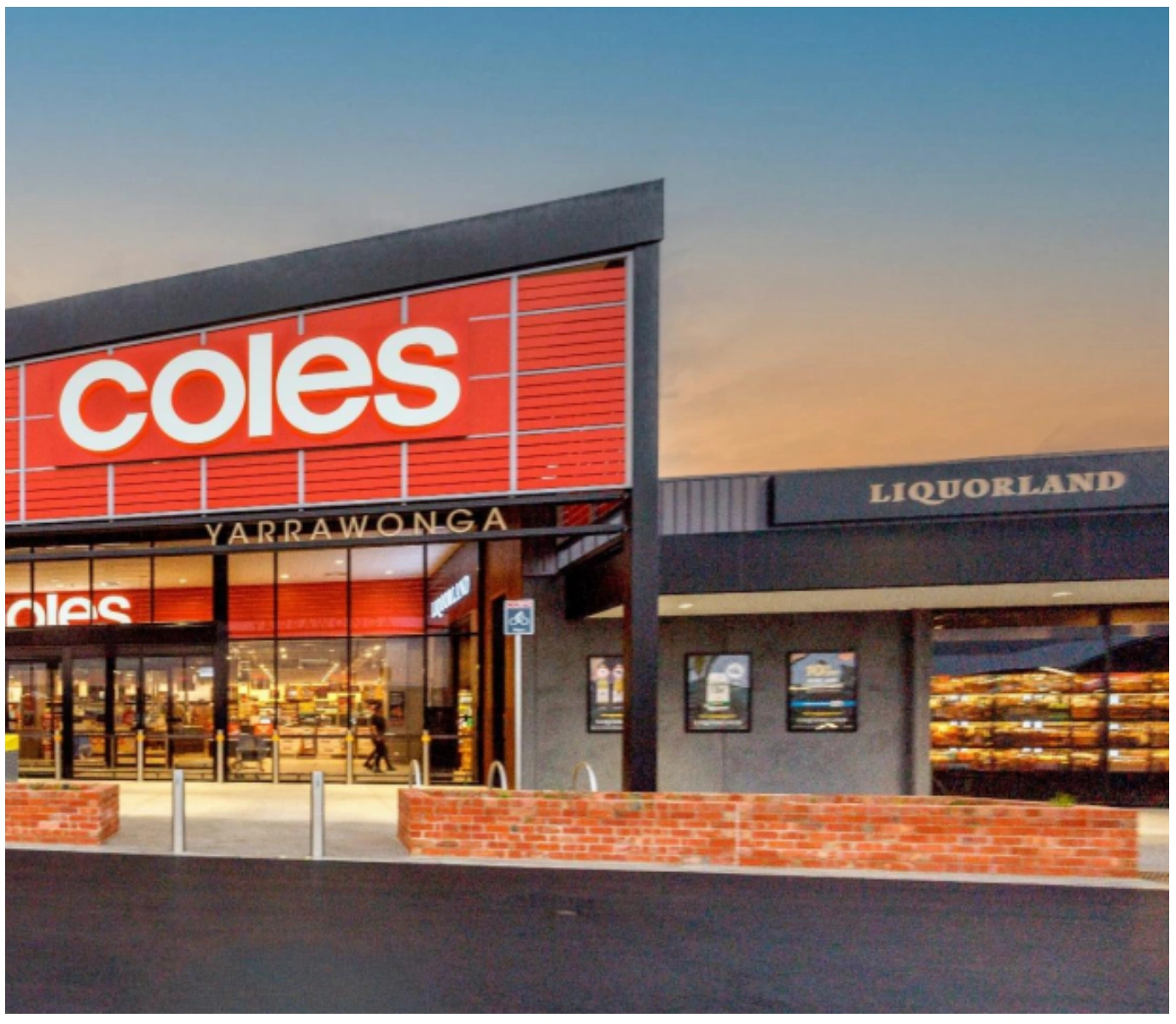 Figure 1: A newly opened Coles and Liquorland store in regional Victoria, one of many sites added during FY26 [Courtesy: Coles Group]
This Coles FY2026 results story matters for anyone tracking Australia’s retail sector. The Company’s expansion strategy in retail has now progressed beyond just store growth as automation, artificial intelligence and digital sales are becoming larger earnings and future capacity drivers.
Why It Matters to Shoppers and Investors
- Customer satisfaction improved across every key metric Coles tracks, including price and availability
- Coles’ retail expansion plans point to more automation, new stores, greater use of artificial intelligence
- Expect these shifts to show up in pricing, delivery speed, and product range over the next year or two
- Shareholders come out ahead here too, with dividends up 13.0 per cent and earnings outpacing sales by a wide margin
FY2026 Financial Highlights
Group sales revenue was A$45.6 billion, an increase of 2.8 per cent. Supermarket sales excluding tobacco increased 5.1 per cent.
| Metric | FY26 | Change vs FY25 |
| Group sales revenue | A$45.6 billion | +2.8% |
| Group EBIT (excl. significant items) | A$2,322 million | +9.9% |
| Group NPAT (excl. significant items) | A$1,255 million | +13.7% |
| Supermarkets sales growth ex-tobacco | – | +5.1% |
| Supermarkets EBIT growth | – | +12.2% |
| Total dividends declared, fully franked | 78 cents per share | +13.0% |
Figure 2: Key financial metrics from Coles Group’s FY26 results announcement [Courtesy: Coles Group]
A Federal Court judgement relating to Fair Work Ombudsman proceedings in September 2025 added a significant item before tax of A$235 million. That expense reduced statutory net profit after tax to A$1,090 million, up only 1.0 per cent.
Segment Performance Across the Business
Supermarkets
Supermarkets sales revenue increased 3.7 per cent to A$41,472 million. Supermarkets EBIT increased 12.2 per cent to A$2,365 million.
The EBIT margin improved by 43 basis points at 5.7 per cent. Core growth was the result of operating efficiencies, expansion of exclusive merchandise and strength in eCommerce demand, according to Coles.
Liquor
Sales of liquor were down 3.3 per cent to A$3,547 million and EBIT fell 47.8 per cent to A$59 million. The main reason: a competitor’s supply chain disruption flattered last year’s numbers, and that wasn’t repeated.
Nevertheless, the convenience portfolio, which accounts for more than 90 per cent of the liquor footprint, posted positive volume sales growth. Gross margin improved 40 basis points even as earnings fell.
Other Segment
The Other segment posted sales revenue of A$561 million, down 19.6 per cent, with an EBIT loss of A$102 million. Lower corporate costs helped here, though higher net property losses ate into some of that gain.
Digital Growth Powers the Coles Retail Expansion Strategy
Supermarkets eCommerce sales increased 26.4 per cent while the eCommerce penetration increased to 13.6 per cent of total sales.
Moreover, customer Fulfilment Centres have recorded a positive EBITDA in their second year of operation. The company has also renewed its partnership with Uber Eats to offer around 17,000 products for customers via the platform.
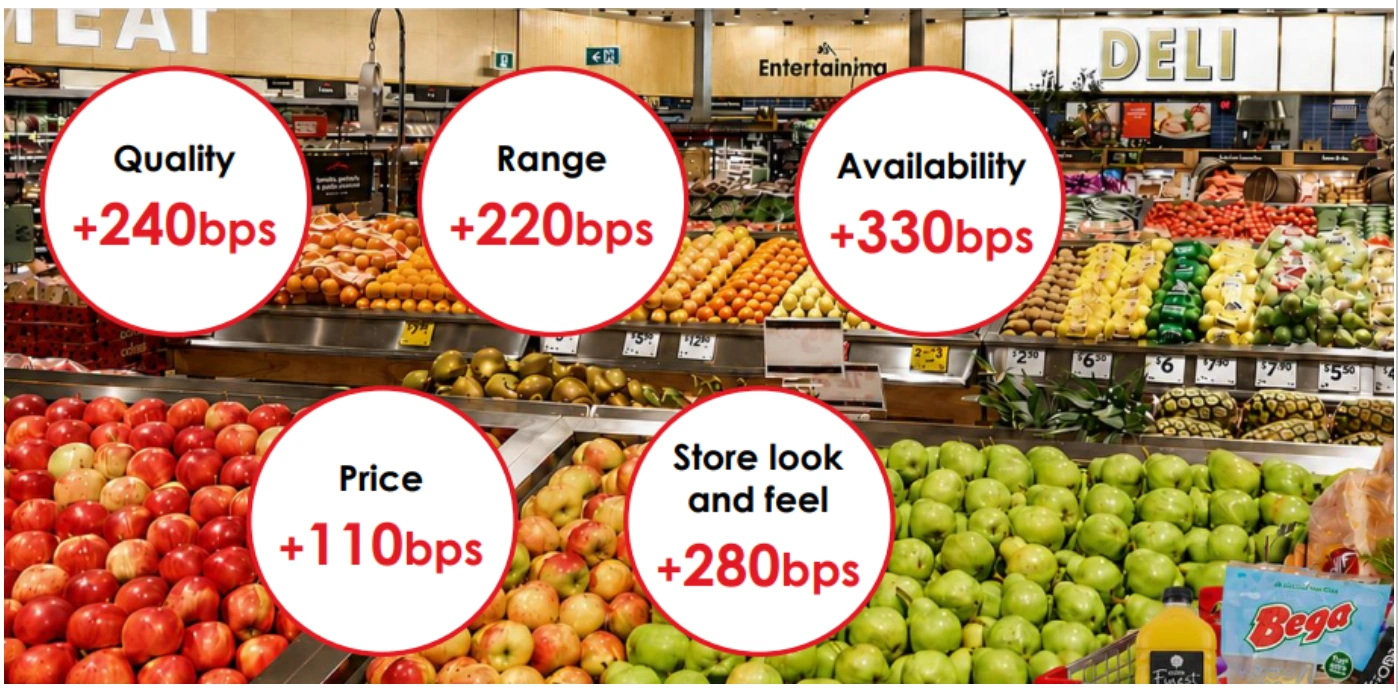 Figure 3: Supermarkets eCommerce sales growth trend [Courtesy: Coles Group]
Investment Priorities Behind the Coles Growth Strategy 2026
Coles is putting real money behind FY27 and beyond, not just talking about it. The spending spans distribution automation, new stores, and a fresh technology partnership.
Coles opened 13 new supermarkets and 16 new liquor stores during FY26. Operating capital expenditure for FY27 is forecast at approximately A$1.55 billion.
| Initiative | Investment | Details |
| Victorian Automated Distribution Centre | A$880 million | 4.6 million cartons per week capacity, commissioning by FY30 |
| Stores, renewals, data and technology | A$300 million by end FY28 | Around 45 new supermarkets and 150 renewals |
| Accenture partnership | ~A$190 million one-off in FY27 | Targets over A$100 million annual run rate benefits by end FY29 |
Coles Share Price (ASX: COL)
- Last traded price: A$23.750
- Market capitalisation: A$30.40 billion
- 52-week range: A$20.100 to A$24.590
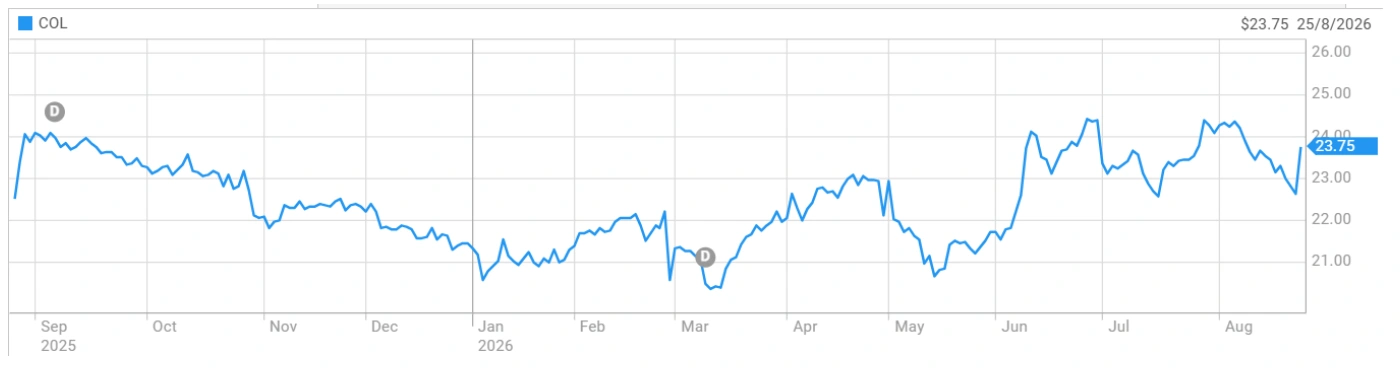 Figure 4: Coles Group share price performance [Courtesy: ASX]
Industry Outlook for the Supermarket Retail Sector
- The retail sector is leaning harder into digital convenience and personalised offers, and Coles is no exception
- Coles refreshed its strategy flywheel in FY26 to reflect how much non-food ranges and artificial intelligence now matter
- Retail media and loyalty data are becoming a bigger profit lever across the sector
- Coles 360 income grew during the year, and that trend looks set to continue
Future Direction and Impact on Network Capacity and Shareholder Returns
Coles enters FY27 having gained market share and lifted customer satisfaction scores across every key metric it tracks. Management said sales momentum in the first eight weeks of FY27 broadly matched the fourth quarter of FY26.
The Coles retail expansion strategy going forward will lean on network capacity, cost control, and disciplined capital spending. The third Automated Distribution Centre should round out the eastern seaboard’s ambient automation network by FY30.
Coles carries solid investment-grade ratings from Moody’s and S&P Global with leverage at 2.3x. That balance sheet gives the Company room to continue funding growth, without risking dividends. Colitco will continue tracking Coles as they move towards FY27.
ALSO READ: St George Mining Lodges Environmental Approvals for Araxá Mine
FAQs
Q1. What were the key numbers in the Coles FY2026 results?
Ans. Group EBIT rose 9.9 per cent, and NPAT rose 13.7 per cent, once significant items are stripped out.
Q2. How is the Coles retail expansion strategy shaping FY27?
Ans. It centres on a new Victorian distribution centre, about 45 new supermarkets, and continued eCommerce growth.
Q3. Why did Liquor earnings fall in FY26?
Ans. Sales cycled against prior-year competitor supply disruption benefits, alongside elevated sector-wide promotions.
Q4. What legal matters affected the results?
Ans. A Federal Court judgment on historical pay arrangements led to a significant item of A$235 million before tax.
Disclaimer
This article is intended for informational purposes only. All data has been sourced from Coles Group Limited’s official 2026 Full Year Results Presentation lodged with the ASX. Readers should verify share price and market data independently before making any investment decision. Any investment carries risk and should be made at the investor’s own discretion. Colitco does not hold any position in the Company mentioned above.

Luke Carlino is a seasoned Copywriter, Content Strategist, and Social Media Manager specialising in Mining, Finance, and Business journalism. With more than a decade of industry experience, he brings rigorous editorial standards and commercial acuity to every project.