
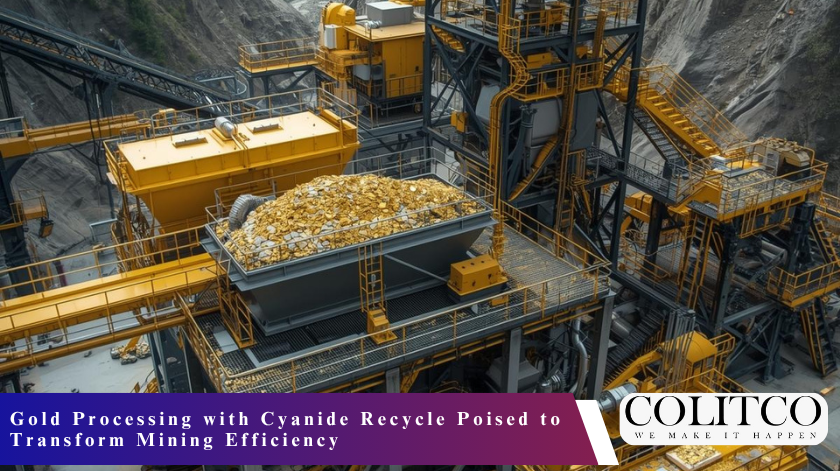
A breakthrough in gold processing with cyanide recycle developed by the Commonwealth Scientific and Industrial Research Organisation (CSIRO) is set for pilot-scale testing in Australia. The new cyanide recycling gold mining technology promises both economic efficiency and environmental responsibility across the gold extraction sector.
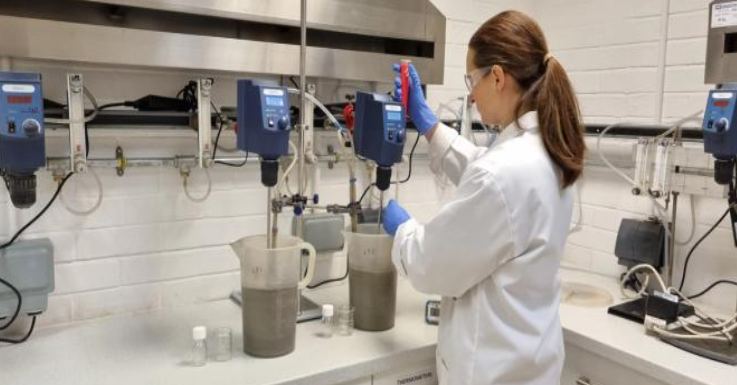
The Sustainable Gold Cyanidation Technology patent has been developed by CSIRO scientists, Dr Paul Breuer and Dr Xianwen Dai, and is used to improve the recovery of gold and recycle cyanide. The progress is made as Australia tightens its hold as a worldwide leader in the production of gold, with cyanide playing a critical part yet risky in the processing of minerals.
CSIRO’s Breakthrough in Cyanide Recycling Gold Mining
Dr Dai validated the technology’s chemistry and economic feasibility during an intensive mini-pilot campaign, confirming its readiness for field deployment. He noted that the new process surpasses the conventional cyanide destruction systems currently used in gold mining operations.
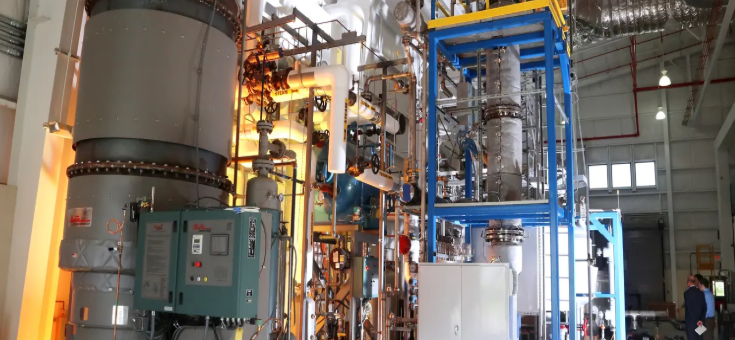
The Sustainable Gold Cyanidation Technology was validated during CSIRO’s pilot campaign in Australia
The cyanide recycling gold mining process allows for the recovery of cyanide and other valuable compounds usually lost in tailings. This approach reduces environmental risk, transportation needs, and overall operational costs associated with cyanide use and storage.
CSIRO explained that most gold producers currently manage toxicity by destroying cyanide residues before discharging tailings. However, the new system further reduces the amount of cyanide required and decreases the toxicity levels remaining after processing.
Advancing Cyanide Reuse in Gold Recovery
The cyanide reuse in gold recovery process represents a major evolution in the industry’s chemical management. Instead of destroying cyanide after use, the new closed-loop system captures and purifies it for reuse in subsequent processing cycles.
CSIRO’s research, published in October 2025, confirmed that the Sustainable Gold Cyanidation Technology achieves between 85% and 92% cyanide recovery from process solutions. This recovery rate contrasts sharply with conventional detoxification methods that offer no reuse potential.
The recycled cyanide retains around 95% of its original leaching strength, enabling consistent gold extraction across multiple cycles. This not only conserves chemical resources but also lowers the cost per tonne of ore processed, improving long-term operational sustainability.
Process Design and Technical Components
The gold processing with cyanide recycle innovation uses an advanced ion-exchange resin system and pH optimisation chambers to manage chemical balance. These components work together to capture cyanide selectively and remove impurities that reduce leaching efficiency.
The system includes automated monitoring for real-time chemical control and integrated purification stages to maintain consistent solution quality. Such design ensures stable recovery performance throughout continuous processing operations.
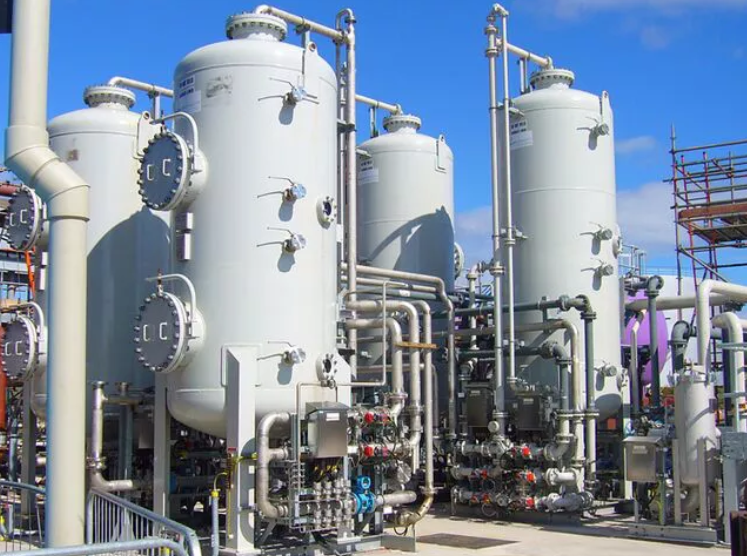
Through this configuration, cyanide that would otherwise be destroyed is recovered and reused. The controlled pH environment sustains the effectiveness of the recycled solution, allowing steady output without compromising gold recovery quality.
Integration with Established Mining Circuits
CSIRO has ensured that the recycling gold mining system based on cyanide can be directly added to the existing Carbon-in-Leach (CIL) process and Carbon-in-Pulp (CIP) process. This compatibility ensures that it can be used in business without significant remodelling of the plant.
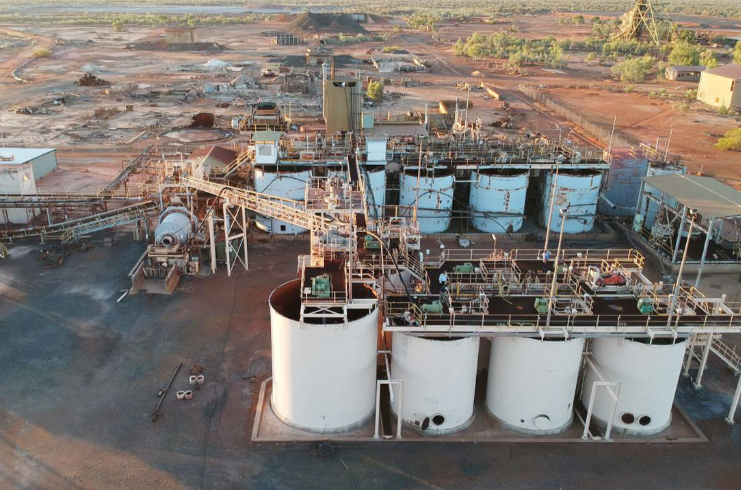
Retrofit installations generally require a six to a dozen months, based on the size of the site and the production planning. Facilities handling over 500,000 tonnes of ore per year benefit most of all during adoption especially those dealing with polymetallic deposits where two or more metals can be extracted at the same time.
According to Dr Breuer, CSIRO collaborated with Eco Minerals Research to develop a mobile demonstration plant in Menzies, Western Australia. The facility facilitated practical testing and improvements, making the technology ready to take place at the pilot scale.
Environmental and Economic Gains
Gold mining with the conventional method results in massive cyanide-contaminated tailings which need destruction through chemicals before disposal. Such techniques take more energy and contribute no value in terms of recovery. The new cyanide reuse in gold recovery system overcomes these problems by reducing the residual cyanide levels in the tailings to up to 85 percent.
This betterment minimises the required detoxification reagents and limits the utilisation of energy in waste control. The outcome is a more sustainable and cost effective production cycle that will be in line with the Australian environmental management goals.
Operationally, the mining companies enjoy the advantage of less fresh cyanide to be purchased, reduced procurement and logistics costs. According to the CSIRO, the total cyanide use may be reduced up to 50 percent, which will present long-term operation savings that will be measured.
Lower Transport Risk and Carbon Emissions
The transport of cyanide to mining sites has long posed logistical and environmental challenges. Through gold processing with cyanide recycle, operators can drastically cut the volume of fresh cyanide requiring shipment. This reduction decreases exposure to transport hazards and mitigates carbon emissions associated with delivery.
CSIRO’s environmental performance data indicates a 40–60% decrease in emissions related to cyanide transport and a 25–35% drop in total chemical processing carbon output. Furthermore, eliminating the need for cyanide destruction chemicals reduces overall site chemical inventory and handling complexity.
For remote mining sites, where chemical transport often involves long distances and challenging routes, this development provides notable operational safety benefits. By integrating recycling systems, mines can become more self-sufficient and maintain consistent gold output without relying heavily on external chemical supply chains.
Collaboration and Future Pilot Demonstrations
Dr Breuer and Dr Dai are now seeking partnerships with gold producers, engineering firms, and suppliers to advance pilot-scale demonstrations. They stated that industry collaboration is essential for validating commercial scalability and enhancing process reliability in diverse geological conditions.
The team will undertake field-based pilot activities to evaluate recovery rates, cost-cutting, and integration effectiveness. With sufficient industry involvement, CSIRO envisions that the technology may be in pilot testing to large-scale application in the next working phase.
This joint initiative also aids in the overall shift by Australia to sustainable mineral mining practices. With the current rising demand of cleaner mining technologies, the use of cyanide recycling gold mining processes may form a new standard of operation.
Also Read: EBOS Group Reports Director Share Disposal Following CEO Exit
Final Thoughts
The cyanide recycle innovation in gold processing created by CSIRO is a significant leap in the sustainable production of gold. Mining operations become economically efficient and environmentally responsible by capturing and reusing cyanide instead of destroying it.
With this technology, the cyanide reuse in the gold recovery process converts an age-old problem into a means of cleaner and cost-effective operation. With the mines industry in Australia keeping on changing, the adoption of such systems can transform the world standard of responsible processing of resources.
FAQs
- What is gold processing with cyanide recycle?
Gold processing with cyanide recycle is a method where cyanide used in gold extraction is recovered and reused through a closed-loop system, reducing waste and improving operational efficiency.
- How does cyanide recycling benefit gold mining operations?
Cyanide recycling in gold mining reduces chemical consumption, lowers environmental risks, and cuts transportation costs by recovering and reusing cyanide that would otherwise be destroyed.
- What recovery rate does CSIRO’s cyanide recycling technology achieve?
CSIRO’s Sustainable Gold Cyanidation Technology achieves 85–92% cyanide recovery from process solutions, maintaining 95% leaching effectiveness for continued gold extraction.
- Can the cyanide recycling process be added to existing gold plants?
Yes. The technology integrates with existing Carbon-in-Leach (CIL) and Carbon-in-Pulp (CIP) processing circuits without the need for complete plant redesign.
- What environmental improvements does cyanide recycling deliver?
Cyanide recycling reduces tailings toxicity by up to 85%, lowers carbon emissions by 25–35%, and eliminates the need for chemical detoxification agents.
- Who developed the new cyanide recycling gold mining process?
The technology was developed and patented by CSIRO scientists Dr Paul Breuer and Dr Xianwen Dai in Australia.
- When will the cyanide recycling technology be available for commercial use?
CSIRO’s cyanide recycling system is ready for pilot-scale demonstrations, with plans to expand into full commercial use following successful industry trials.