

Ramsay Healthcare’s operational performance has improved for the nine months ended 31 March 2026. Despite the economic pressures, the European healthcare provider delivered positive revenue growth, EBITDA and reduced financing costs.
The company also continued its journey of transformation under a strategic program called Yes We Care. The latest performance update was boosted by growth in France and Nordic markets. Management emphasised operational discipline, increased patient numbers and efficiency measures as growth factors.
The company still has its own difficulties due to insufficient funding for the healthcare tariff and overall inflationary pressures on procurement and labour expenses. But many factors worked in the other direction during the reporting period as productivity increased.
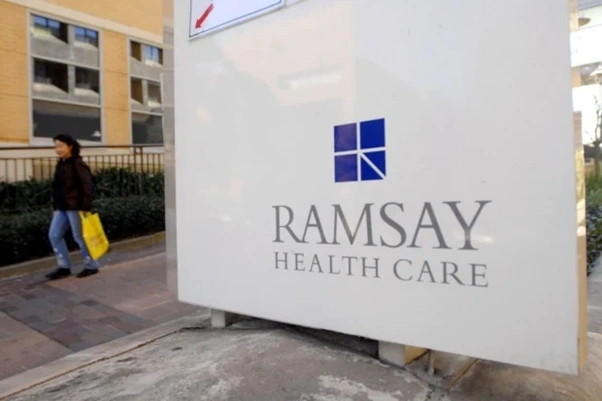
Ramsay Santé reported €4.0 billion in revenue during the nine months ending March 2026. [Courtesy: AFR]
Ramsay Santé Results 2026 Reflect Strong Revenue Momentum
Ramsay Santé’s consolidated revenue for the first nine months of FY2026 amounted to €3,981.3 million. This is slightly up from the previous corresponding period, when it was €3,863.3 million, representing a 3.1% increase.
Like-for-like revenues grew 1.9%. Group EBITDA increased by 4.4% to €460.4m compared with €441.0m last year. The margin of EBITDA was 11.6% against 11.4%. The group’s net loss also came in significantly lower at €(27.9) million compared to €(54.2) million.
The increase in operating cash flow was €13 million to €294.9 million. Net leverage improved from 5.7x to 5.1x, indicating better business profitability and stricter business management in all business segments.
How French Operations Supported Ramsay Santé Revenue Growth
The contribution of French operations was 1.5% of revenue growth, driven primarily by organic growth. Medical, surgical, and obstetrics enrollment grew 1.7%, driven by ambulatory care needs. The nine months saw approximately 514,000 emergency presentations dealt with at Ramsay Santé facilities.
Patient demand was seen as strong even in a highly competitive profile, said management. There was also a three-day strike by French medical practitioners in January 2026, which had a negative impact on growth. The company also suffered from a combination of flat MSO tariffs and imaging procedure cuts.
But growth improved in March, making up some losses. Since July 2025, Ramsay Santé has also enhanced the management of mental health and implemented 10 imaging systems to further boost patient-handling and care integration.

French operations remained a major contributor to Ramsay Santé’s healthcare growth strategy. [Courtesy: The Motley Fool]
Nordic Markets And St Göran Contract Lift Performance
The performance was good in Norway and the other Nordic countries. Nordics’ reported revenue grew 6.6% with favourable foreign exchange movements of €46m. Constant currency growth of organic revenue was 2.6%. A primary care expansion and rising demand for elderly care continued to be an important growth engine in Sweden.
Capio has successfully started the new contract with St Göran Hospital on 5th January 2026. The terms are currently for a minimum of eight years, and can be extended up to 12 years. The total value of the contracts is EUR 4.8 billion or SEK 55 billion.
Higher prices helped to boost profitability. Ramsay Santé also said orthopaedics and maternity services at St Göran Hospital were on the rise, with volumes impacted by seasonal viruses during the quarter.
Why Ramsay Santé EBITDA Improved Despite Inflation Pressures
The EBITDA growth of Ramsay Healthcare was driven by both efficiencies and a disciplined approach to cost management. Group EBITDA rose by €19.4m compared to the previous year, despite the withdrawal of the French government revenue guarantee from January 2025.
It caused a €19.4 million loss in earnings from that guarantee reduction, when compared to last year. There was also pressure on margins due to a rise in wages, procurement costs, and outsourced service rates. Only partial offset for inflation in France and in Nordic markets. Management stepped up productivity efforts in all regions to ensure profitability.
Staffing optimisation, reduced reliance on agency staff, procurement savings and administration efficiencies were some of the measures taken. Revenue development programs also played a positive role, especially imaging and day medicine services. This led to an increase in EBITDA margin by 0.2 percentage points to 11.6% in the reporting period.

Productivity initiatives helped Ramsay Santé improve EBITDA margins despite inflationary challenges. [Courtesy: TimeWellScheduled]
Ramsay Santé Strategic Plan Builds On Yes We Care
Ramsay Santé said the transformation strategy, ‘Yes We Care’, had resulted in a more robust integrated healthcare platform. Currently, the company has about 13 million patients a year in France and the Nordic countries.
The next strategic step would be to develop on the concepts of operational excellence and patient pathway integration, management said. The group will conduct targeted growth activities and enhance cooperation across the border. Ramsay Santé will also seek to enhance cash collection operations and remain in discussion with authorities on tariff reforms.
The company plans to adjust healthcare funding rates to be closer to the cost of inflation. Changes to the portfolio will help cater to changing healthcare needs in localised markets.
However, the business performed strong growth under a difficult operating environment, said Chief Executive Pascal Roché. Ramsay Santé will persist in its investment in innovation, operational efficiency and accessible health care services, he added.
Ramsay Health Care Distribution Proposal Marks New Chapter
Ramsay Santé also discussed its proposal on its holding of a 52.79% stake in Ramsay Health Care Limited. Ramsay Santé has made the proposed distribution plan known to Ramsay Health Care shareholders on 20 February 2026.
The deal would be arranged in an Australian scheme of arrangement. There are still regulatory approvals, shareholder approvals, and court approvals to be completed prior to completion. Ramsay Santé said it is self-governing, self-financed and has its own management.
Management called the plan “a major strategic move for the business. The company also noted that it is in talks with lenders for any necessary changes in the financing agreement terms.
Implementation could be in Q4 2026, says Ramsay Health Care. Ramsay Santé is committed to continuing to provide markets with information on material changes and regulatory requirements associated with the proposal.
Cash Flow, Debt Reduction, and Financial Position Improve
Ramsay Santé has improved its financial stability over the reporting period. The increase in cash flow is driven by higher operating cash flow with the benefit of an improved EBITDA generation, which reached €294.9 million. The capital expenditure amounted to €113.0 million, which was slightly less than the €116.6 million that was spent last year.
Investments in clinic optimisation, Imaging Technology and Upgrades to Healthcare Facilities. In July 2025, the company refinanced the real estate asset of Mermoz in Lyon. Ramsay Santé paid €31 million for the property, and also took out a new €65 million mortgage.
This transaction brought about a liquidity injection of approximately €34 million. The cash and cash equivalents amounted to €216.2 million at 31 March 2026. Net debt, reported on IFRS, was €3,723.0 million, as restated net debt was reduced to €1,807.7 million from €1,934 last year.
What Lies Ahead For Ramsay Santé In 2026
Ramsay Santé enters the final quarter of FY2026 with improved momentum across major operating markets. Management remains focused on disciplined execution, operational efficiency, and long-term healthcare demand. The company expects ongoing patient growth across ambulatory care, imaging, primary healthcare, and elderly services.
Nordic operations should continue benefiting from the new St Göran contract and supportive healthcare trends. However, inflationary cost pressures and insufficient tariff funding remain key risks. Ramsay Santé also continues monitoring developments regarding Ramsay Health Care’s proposed shareholding distribution.
Despite these uncertainties, the company believes its diversified healthcare platform, experienced management, and integrated care model position the business strongly for sustainable long-term growth across European healthcare markets.
Also Read: Ramsay Health Care Acquires National Capital Private Hospital in $251m Deal
FAQs
Q1: What Were Ramsay Santé’s Revenue Results For 2026?
A1: Ramsay Santé reported revenue of €3,981.3 million for the nine months ending 31 March 2026. This represented 3.1% growth compared with the previous corresponding period.
Q2: Why Did Ramsay Santé’s EBITDA Increase In 2026?
A2: EBITDA improved through stronger patient volumes, operational efficiencies, and productivity initiatives. Cost control measures offset inflation pressures and reduced French government funding support.
Q3: What Is The Value Of The New St Göran Contract?
A3: The St Göran Hospital contract carries a total value of €4.8 billion or SEK 55 billion. The agreement lasts eight years, with extension rights up to 12 years.
Q4: How Much Did Ramsay Santé Reduce Net Losses?
A4: Net loss attributable to the group improved by €26.3 million year-on-year. Losses narrowed from €(54.2) million to €(27.9) million during the reporting period.
Disclaimer
This article is based on Ramsay Santé’s unaudited interim results and company announcements released on 7 May 2026. Financial figures, operational updates, and strategic statements remain subject to regulatory disclosures and future market developments. This content is intended solely for informational and news reporting purposes and does not constitute financial, investment, or healthcare advice.
Source Links


