A larger gold business needs more than extra processing capacity. It needs enough water, trained supervisors, reliable safety controls and a clear plan for the land it disturbs.
Ora Banda Mining ESG evolution FY26 brings those everyday requirements into focus as the Western Australian producer prepares for another period of expansion.
That combination deserves a closer reading. Ora Banda has strengthened several systems, but a growing operation also brings greater demands.
The report shows where practical progress has been made and where the next round of work remains unfinished.
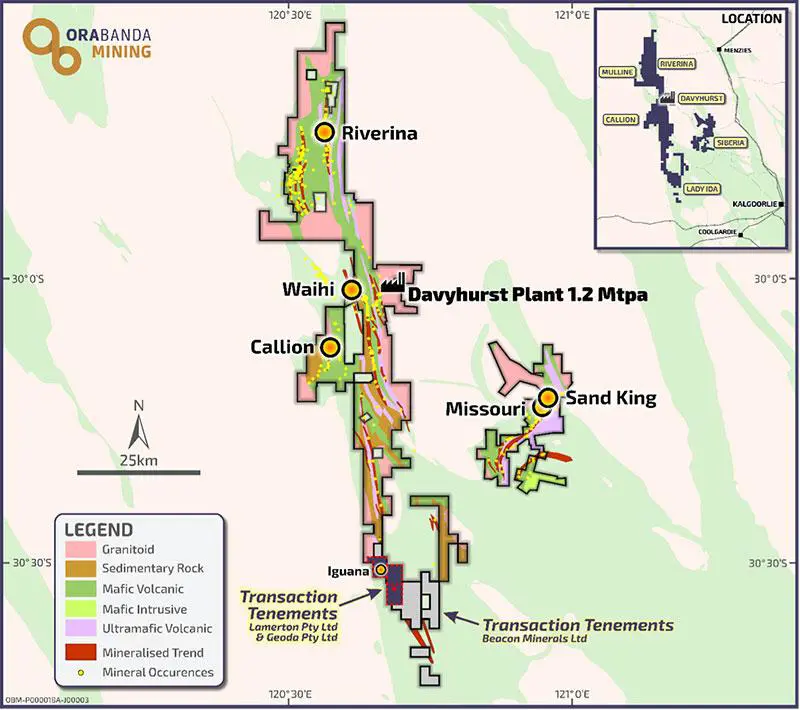
Figure 1: Ora Banda Mining’s published tenement map provides geographical context for its Eastern Goldfields operations and exploration areas. Credit: Ora Banda Mining.
What Changed in Ora Banda’s Sustainability Approach During FY26?
Ora Banda’s second sustainability report describes a business moving beyond setting policies towards making them work consistently across sites.
The company’s sustainability framework groups its work into people and community, environmental responsibility, and ethics, governance and compliance.
During FY26, that approach became more visible through online inductions, vehicle monitoring, leadership training and better environmental data collection.
One example is Envago, a central environmental database being introduced to consolidate information on fuel, power, water, tailings and waste.
Implementation remained underway, with wider departmental access planned for FY27. Its value will depend on how reliably teams collect, check and use the information.
The reporting boundary also matters. The ESG report was prepared with reference to GRI and SASB standards, but the company did not seek external assurance for it.
Its inaugural AASB S2 climate disclosure appears separately in the FY26 Annual Report. Readers should keep those two reporting exercises distinct when assessing the evidence.
How Does Expansion Fit Into the Sustainability Strategy?
The Ora Banda sustainability and expansion strategy centres on increasing production while building the infrastructure and capability needed to support it.
A new 3.0-million-tonne-per-annum processing plant is expected to bring combined nameplate capacity to 4.2 million tonnes annually alongside the existing mill. The company’s Davyhurst processing plant overview explains the established facility’s crushing, grinding and carbon-in-pulp operations.
The broader “DRIVE to 300” strategy sets an aspiration of 300,000 ounces annually from FY29.
That figure requires care: the report explicitly says it is neither a production target nor a forecast, and that reasonable grounds to believe the aspiration can be achieved have not yet been established.
Several commitments support the proposed growth:
- Processing: Deliver the new plant while preparing employees to operate different equipment and systems.
- Mine development: Advance Waihi Underground and work towards a Round Dam investment decision, identified in the report for the second half of FY27.
- Exploration: Commit A$75 million annually over three years to support resource and reserve growth.
An enlarged A$200 million revolving credit facility added funding flexibility. That provides room to proceed, although construction delivery, approvals and ore supply still need to align.
What Does the Safety Record Reveal About Operational Discipline?
Any Ora Banda operational discipline mining update needs to look beyond production. FY26 provides measurable improvement in safety, alongside evidence that serious risks remain.
The report also describes board representatives visiting Siberia underground to review the circumstances of a lost-time injury.
The contractor later presented its investigation and proposed actions to the Sustainability Committee. That gives a more useful account of oversight than the headline rates alone.
Practical changes included:
- Vehicle controls: Fleetware monitoring was rolled out across 62 light vehicles, with another eight installations scheduled for early FY27.
- Training: A 14-module general safety induction and four-module Code of Conduct package created a more consistent onboarding process.
- Hazard management: The company reported 6,255 hazards rectified and an average hazard close-out rate of 96.8%.
People development also received attention. Ora Banda recorded 43 internal promotions, while women represented 23% of employees. Its engagement survey attracted 79% participation, with 86% of respondents reporting high engagement.
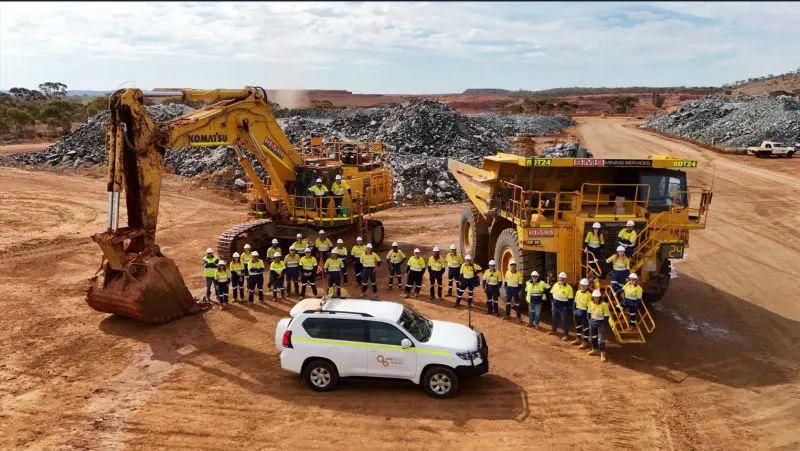
Figure 2: Ora Banda Mining personnel at site. Training, supervision and workforce readiness feature prominently in the FY26 ESG report. Credit: Ora Banda Mining.
Where Is Environmental Progress Visible, and What Still Needs Work?
Ora Banda reused 833,122 kilolitres out of 1,216,579 kilolitres used in its processing plant, giving a reuse rate of 68.48%.
Its groundwater network included 17 active production bores and 17 monitoring bores. Additional communications infrastructure was installed to support real-time flow monitoring from FY27.
Other completed environmental work included:
- Rehabilitation: Progressive rehabilitation covered 52.71 hectares across the company’s sites, including 39 hectares at Siberia.
- Recycling: Approximately 163.53 tonnes of scrap metal and 131,622 eligible drink containers were recycled.
- Biodiversity monitoring: LiDAR identified 185 potential malleefowl mounds for investigation, with field verification continuing.
A smaller example shows how consultation changed mine planning. At Waihi, further monitoring with Traditional Owners identified a culturally significant water tree within a proposed stockpiling area. Ora Banda changed the layout to preserve it.
Emissions present a harder challenge. Combined Scope 1 and Scope 2 emissions increased approximately 56% to 77,597.2 tonnes of carbon dioxide equivalent. Better monitoring does not itself reduce that footprint.
Additional gas connections and storage are planned to reduce diesel reliance, with operations expected in FY28, subject to engagement and approvals.
The new plant is also expected to improve energy efficiency. Both remain prospective improvements rather than demonstrated FY26 reductions.
What Should Readers Watch as Ora Banda Moves Through FY27?
The next test is whether these systems remain effective as activity increases. Construction progress matters, but so do water availability, tailings capacity and the readiness of people moving between the existing and new plants.
The report anticipates a new paddock-style tailings facility at Golden Eagle, with construction expected in late FY27 subject to approvals. Envago’s wider rollout should also make environmental trends easier to track.
For Ora Banda Mining ESG evolution FY26, the strongest evidence lies in specific results: lower injury frequency, water reuse, completed rehabilitation and a mine layout changed to protect heritage.
Rising emissions and unfinished infrastructure plans show why the assessment remains open. Future reports will need to demonstrate whether stronger management systems produce better outcomes as the business grows.
FAQs
What Did Ora Banda Produce In FY26?
Ora Banda produced approximately 141,000 ounces of gold, up 52% from FY25.
How Much Processing Water Was Reused?
The company reused 68.48% of the water used in its processing plant during FY26.
Did Ora Banda’s Emissions Fall?
No. Combined Scope 1 and Scope 2 emissions increased approximately 56% during FY26.
Is DRIVE To 300 A Production Forecast?
No. It remains an aspiration, not a production forecast.
Disclaimer: This article is for Colitco and general information only and does not constitute financial advice. Forward-looking plans and aspirations are subject to risks, approvals and change. Conduct independent research before making investment decisions.

Luke Carlino is a seasoned Copywriter, Content Strategist, and Social Media Manager specialising in Mining, Finance, and Business journalism. With more than a decade of industry experience, he brings rigorous editorial standards and commercial acuity to every project.