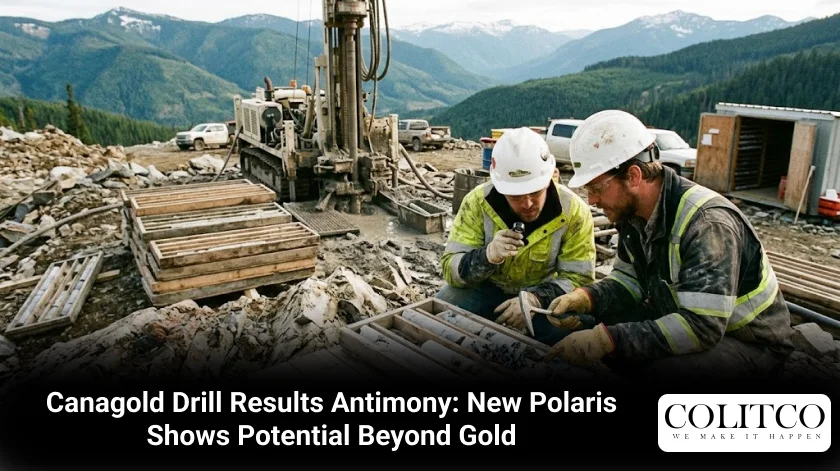
The latest Canagold drill results antimony announcement gives the company more evidence that New Polaris could offer value beyond its gold reserves. Results released on 1 October include a 13.2-metre interval averaging 3.83% antimony and 19.38 grams per tonne gold.
Within that interval, a 1.21-metre section returned 30.46% antimony and 49.10 g/t gold. The latter figure appears in Canagold’s announcement and differs from the 39.1 g/t quoted in the supplied news report.
Chief Executive Officer Catalin Kilofliski said the results suggest a larger antimony system than previously understood. The immediate task is to establish how that mineralisation could contribute to a mine already designed around gold.
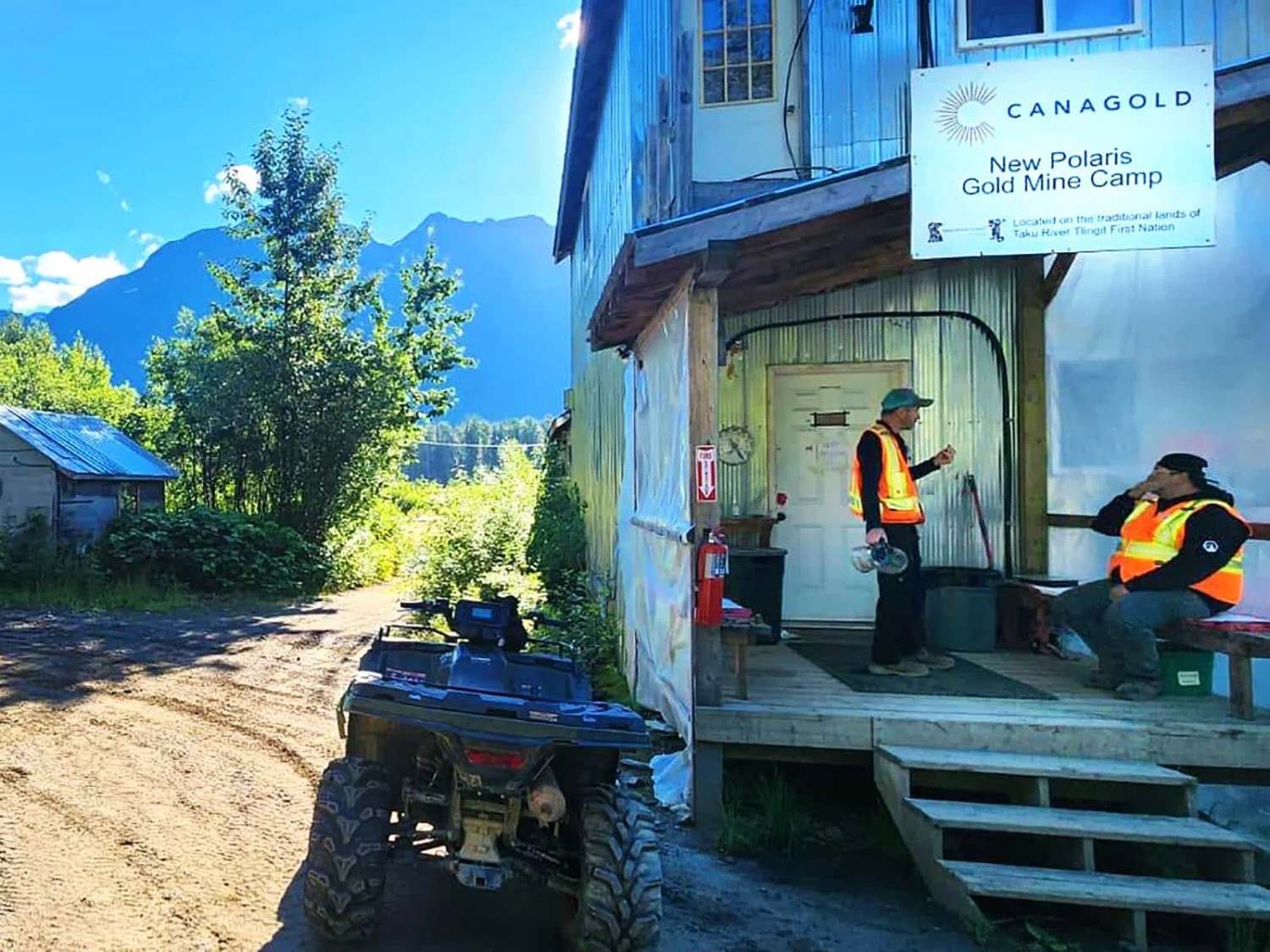
Figure 1: New Polaris project photograph from Canagold’s corporate gallery. Credit: Canagold Resources.
What Did the Latest Drilling Find?
Canagold has released assays from five holes in its completed 7,277-metre programme. Fourteen holes were drilled, leaving nine with results still pending.
The reported highlights contain both metals across several intervals:
| Drill hole | Core interval | Antimony | Gold |
|---|---|---|---|
| NP26-01 | 13.20 metres | 3.83% | 19.38 g/t |
| Including | 1.21 metres | 30.46% | 49.10 g/t |
| NP26-02 | 6.06 metres | 3.90% | 14.97 g/t |
| Including | 0.83 metres | 24.68% | 29.00 g/t |
| NP26-03 | 3.91 metres | 3.30% | 15.08 g/t |
| Including | 1.81 metres | 6.99% | 26.30 g/t |
The company’s October drilling announcement reports NP26-02’s broader interval as 6.06 metres, correcting another discrepancy in the supplied coverage.
Three details help put the assays in context:
- The broader intervals matter: They show mineralisation around the particularly rich internal sections.
- Included intervals overlap: The shorter sections form part of the longer intersections and must not be counted twice.
- True widths remain unknown: Canagold reports core lengths because further drilling and modelling are needed to establish vein orientation.
The results support further investigation of the antimony zone. They do not yet establish its mineable dimensions or the quantity of additional metal that could enter production.
Why Could Antimony Change the Project’s Economics?
New Polaris already has a gold development plan. Antimony could add another saleable product from material being evaluated within the same mineralised system.
That is the attraction behind antimony byproduct value gold system analysis: identifying whether an associated metal can contribute enough revenue to justify the additional work required to recover and sell it.
The opportunity is not entirely new. The supplied report describes an earlier indicated antimony resource containing 12.4 million pounds in 859,989 tonnes averaging 0.65%.
Those categories carry different levels of geological confidence. Neither should be confused with an antimony reserve or a forecast of saleable production.
The new assays could improve the understanding of where richer material occurs. They may also help define how antimony-bearing zones relate to the gold mine plan.
Before assigning a financial contribution, however, the company needs answers on:
- Recovery: How much antimony can be extracted consistently from representative material?
- Product quality: What product can be produced, and on what commercial terms could it be sold?
- Additional costs: What processing equipment, operating expenditure and handling arrangements would recovery require?
A high assay is encouraging. The financial benefit comes from the recoverable, payable metal remaining after those costs.
What Does the Gold Feasibility Study Already Show?
New Polaris has a long mining history. Its former underground operation produced approximately 232,000 ounces of gold during intermittent activity between 1938 and 1951.
The company’s New Polaris feasibility summary also makes an important currency distinction. At a US$3,300-per-ounce gold assumption, it reports an after-tax net present value of C$793 million, using a 5% discount rate. Its stated convention is Canadian dollars unless otherwise identified.
That differs from the currency conversion presented in the supplied article.
| Study measure | Reported outcome |
|---|---|
| Gold price assumption | US$3,300/oz |
| After-tax NPV at 5% | C$793 million |
| After-tax internal rate of return | 47.3% |
| Capital payback period | 1.7 years |
These are modelled study outcomes under specified assumptions. They are not realised earnings or a current valuation of Canagold’s shares.
Crucially, the study includes no antimony revenue contribution and does not establish an antimony reserve. Any future financial benefit would need to be demonstrated through further technical and economic work.
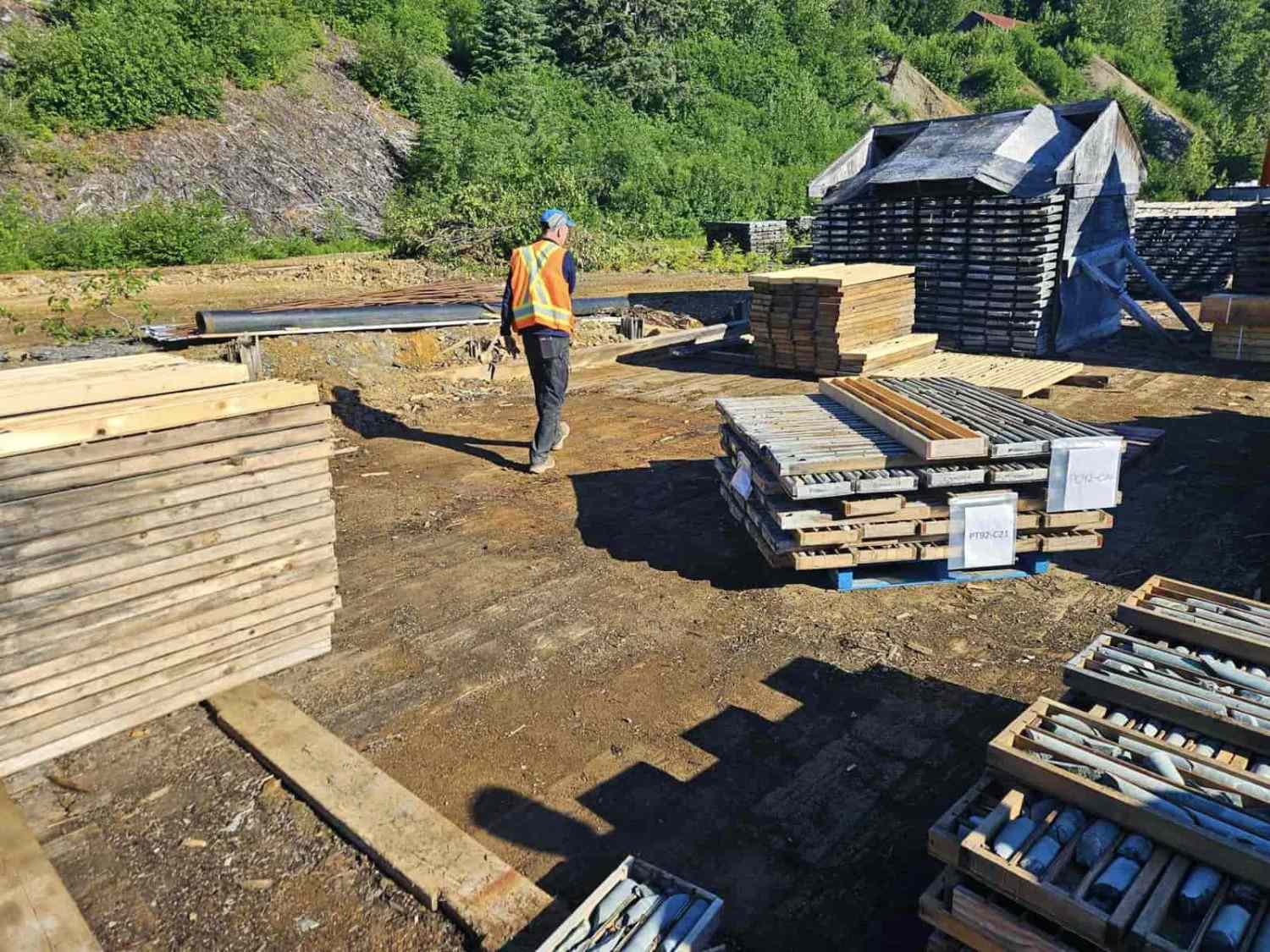
Figure 2: A second project view from Canagold’s New Polaris gallery. Credit: Canagold Resources.
Does This Establish a Larger Gold-Antimony Deposit?
The results suggest that possibility, but a larger resource requires more than several strong intersections.
Kilofliski described the antimony grades and intersected lengths as the strongest encountered at the project to date. His comments point to potential expansion, rather than a completed revision of the resource estimate.
This is where the gold-rich system antimony upside becomes a geological question. Can the company define enough consistent mineralisation to support a larger estimate and practical mining shapes?
The answer will come from combining the assays with drilling locations and geological interpretation. It cannot be established by applying the highest reported grade across the surrounding deposit.
What Comes Next for New Polaris?
The remaining nine holes are the nearest reporting milestone. The most useful developments will be:
- Further assay results: Evidence showing whether strong antimony and gold grades continue elsewhere.
- Resource modelling: An assessment of continuity, dimensions and confidence across the mineralised zones.
- Economic evaluation: A supported estimate of what antimony recovery could add after the associated costs.
For now, Canagold has reported promising evidence within an established gold project. The company has a reason to investigate antimony more closely, while shareholders have specific technical milestones to follow.
The next meaningful advance will be showing how much of this mineralisation can become an economic byproduct.
FAQs
- What was the highest antimony grade reported?
A 1.21-metre core interval returned 30.46% antimony with 49.10 g/t gold. - Are the reported intervals true widths?
No. Canagold reports core lengths; true widths have not been established. - Does the feasibility study include antimony revenue?
No. The reported gold project economics exclude antimony revenue. - How many drill holes still have assays pending?
Nine holes remain pending from the completed 14-hole programme.
Also Read: Evolution Mining’s Next Growth Phase: Copper-Gold Portfolio Acceleration in Global Markets
Disclaimer
Prepared for Colitco for general information only. This article is not investment advice. Exploration results and study forecasts are subject to geological, technical, commercial and regulatory uncertainties. Investors should perform their own due diligence before making any investment decision.

Luke Carlino is a seasoned Copywriter, Content Strategist, and Social Media Manager specialising in Mining, Finance, and Business journalism. With more than a decade of industry experience, he brings rigorous editorial standards and commercial acuity to every project.