Evolution Mining copper gold growth is taking shape through a series of projects across its established operations. In its Mining Forum Americas presentation on 29 September 2026, the company explained how it intends to extract more value from assets already within its portfolio.
Managing Director and Chief Executive Officer Lawrie Conway presented a strategy focused on margins, investment returns and longer operating lives. Copper provides an increasingly important part of that story, alongside the company’s gold production.
For shareholders, the question is how these opportunities translate into dependable cash flow. Some projects are approved, others remain under study, and the proposed Carnaby Resources acquisition still requires approvals. Those differences matter when assessing the timing of growth.
What Is Driving Evolution’s Next Growth Phase?
The Evolution Mining portfolio expansion strategy starts with improving the businesses it already owns.
Its presentation shows continuing-operation production rising from approximately 680,000 gold-equivalent ounces in FY22 to approximately 890,000 ounces in FY26. The latter includes around 693,000 ounces of gold, with copper contributing the remaining gold-equivalent production.
Gold-equivalent figures convert copper output using metal prices. They help compare the portfolio across periods but should not be confused with physical gold production.
Evolution also shows an approximately 920,000-ounce subtotal before the impact of weather at Ernest Henry. That distinction explains why the underlying growth chart looks stronger than the final FY26 outcome.
Three priorities guide the next phase:
- Use existing capacity: Bring additional ore into established processing facilities where spare capacity is available.
- Improve investment returns: Select projects that strengthen margins and make better use of acquired assets.
- Maintain cash generation: Keep established gold operations contributing while longer-term developments advance.
Management reports an average portfolio return on investment of 18% and a reserve-life measure of 17 years. These provide context for its investment approach, although neither guarantees future performance.
The growth plan therefore depends on mine development, processing improvements and successful project delivery working together.
Why Is Copper Becoming More Important?
Copper generated 22% of Evolution’s FY26 revenue, compared with gold’s 78%. Gold remains the larger contributor, but copper gives the business another source of earnings and development options.
The presentation cites an S&P Global forecast that global copper demand could increase from approximately 28 million tonnes in 2025 to 42 million tonnes by 2040. This is a forecast, not an assured market outcome.
Evolution’s own opportunity is more immediate: supplying additional copper through Ernest Henry and Northparkes.
| Copper growth measure | Presentation detail |
| FY26 copper revenue share | 22% |
| Ernest Henry C1 cost | US$0.65 per pound |
| Northparkes C1 cost | US$1.23 per pound |
| FY27 group copper guidance | 63,000–70,000 tonnes |
| Northparkes mill expansion study | Due by the end of FY27 |
The company’s Ernest Henry operations profile provides background on the established underground operation supporting this growth plan.
For investors assessing copper gold mining global market growth, the useful distinction is between favourable demand forecasts and a company’s ability to deliver saleable metal.
Evolution has identified development opportunities around existing infrastructure. Their value will depend on construction costs, recovery, ore availability and commodity prices when production begins.
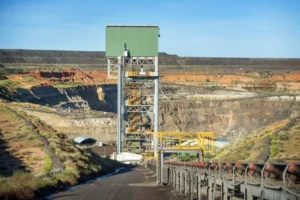
Figure 1: Ernest Henry, a central asset in Evolution’s copper growth plans. Credit: Evolution Mining.
How Could Ernest Henry and Northparkes Lift Production?
Ernest Henry has approximately 2.2 million tonnes per annum of latent mill capacity, according to the presentation. Filling that capacity is a major part of the investment case.
Evolution identifies three possible sources of additional production:
- Bert: Approximately 6,000 tonnes of copper and 12,000 ounces of gold annually, ramping up from FY29.
- Greater Duchess: Indicative annual production of approximately 10,000 tonnes of copper and 5,000 ounces of gold from around FY30.
- Regional exploration: Potential upside of approximately 10,000 tonnes of copper annually, subject to further work.
Greater Duchess is linked to the proposed Carnaby acquisition. The transaction remains conditional on shareholder, court and regulatory approvals. Its production outlook also depends on studies, permits and other approvals.
At Northparkes, the plan combines better recovery with greater processing capacity. The presentation identifies approximately 2% recovery uplift through coarse particle flotation and a 0.5 million-tonne annual throughput increase, with further upside from FY28.
The E22 block cave and associated infrastructure are intended to support underground mining capacity of 11 million tonnes annually.
A mill expansion study, due by the end of FY27, is examining a base case of 10–11 million tonnes annually. Evolution’s Northparkes operations page provides further background on the mining and processing complex.
These are staged developments. Spare plant capacity only creates value when suitable ore can reach the mill reliably and economically.
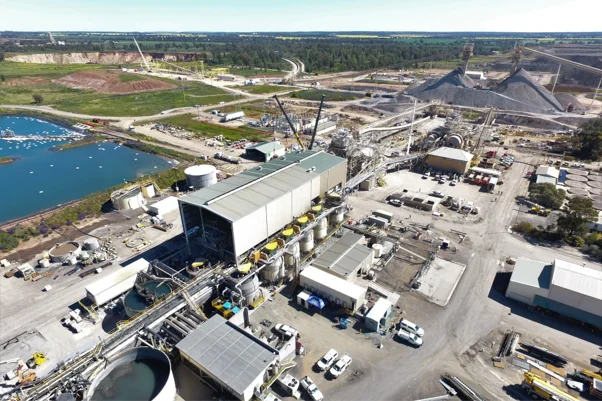
Figure 2: Northparkes, where Evolution is pursuing mining and processing improvements. Credit: Evolution Mining.
Where Do Gold Operations Fit Into the Strategy?
Gold operations remain essential to funding the wider programme.
Evolution describes Cowal as a significant cash generator with further growth opportunities. Its presentation identifies several mining areas, underground development and exploration work that could support production over time.
Mungari offers another source of cash flow. The company says it has returned to being a major cash contributor, with higher-grade underground ore expected to replace some lower-grade open-pit feed.
Underground material represented 15% of Mungari’s FY26 mill feed. Evolution is targeting approximately 20%, with exploration at Genesis and Arctic supporting potential increases beyond that level.
At Red Lake, management reports stable quarterly performance and positive cash generation. A tailings reprocessing study is scheduled for completion by the end of FY27.
Together, these operations give the portfolio different roles: funding, production stability and future expansion.
Shareholders are also receiving a larger distribution. Evolution declared an FY26 annual dividend of 41 Australian cents per share, fully franked, totalling A$833 million. Its policy targets a payout of 60% of annual group cash flow.
Maintaining that balance between investment and distributions will depend on operating results.
Which Milestones Should Investors Watch in FY27?
FY27 guidance calls for 660,000–730,000 ounces of gold and 63,000–70,000 tonnes of copper. Group all-in sustaining cost guidance is A1,995 per ounce.
Production is weighted towards the second half, reflecting Cowal’s underground ramp-up and new mining areas at Red Lake.
The investment programme is substantial. Guidance includes A500 million in major mine development and A650 million in major project capital, alongside sustaining investment.
The most useful checkpoints are:
- Operating delivery: Whether production and costs remain within guidance as mining activity increases.
- Project progress: Development at Bert, E22 and Cowal, plus completion of the Northparkes expansion study.
- Acquisition conditions: Progress towards the approvals required for Carnaby and subsequent Greater Duchess planning.
The Evolution Mining copper gold growth case rests on converting this pipeline into returns. Quarterly results should reveal whether spending, development and production remain aligned.
Also Read: Global Copper Market Impact: Escondida Restart by BHP Brings Some Relief to Supply Outlook
FAQs
- What is Evolution’s FY27 copper guidance?
The company forecasts production of 63,000–70,000 tonnes. - Has the Carnaby acquisition been completed?
The presentation states that shareholder, court and regulatory approvals remain outstanding. - When could Bert add production?
Evolution expects its additional production to ramp up from FY29. - Why does Northparkes matter?
Its mining developments and processing studies provide several potential routes to higher copper-gold output.
Disclaimer
Prepared for Colitco for general information, based on Evolution Mining’s 29 September 2026 presentation. This article is not investment advice. Guidance, acquisition plans and development forecasts remain subject to operational, financial and regulatory risks. Readers should review subsequent company disclosures before making investment decisions.

Luke Carlino is a seasoned Copywriter, Content Strategist, and Social Media Manager specialising in Mining, Finance, and Business journalism. With more than a decade of industry experience, he brings rigorous editorial standards and commercial acuity to every project.