
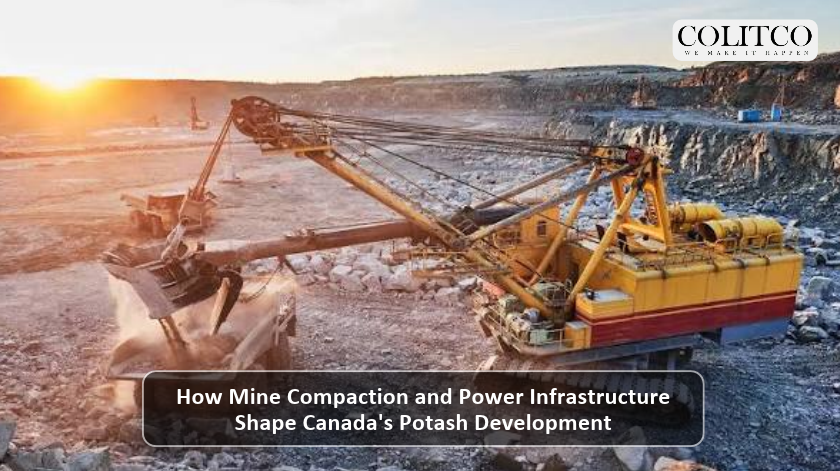
On 10 November 2026, Worley announced a two-year contract to carry out the compaction and power distribution work at Bethune. The award illustrates a practical feature of potash mining in Canada: bringing more material to the surface is only part of an expansion. The processing plant also needs to turn that material into a product customers can use.
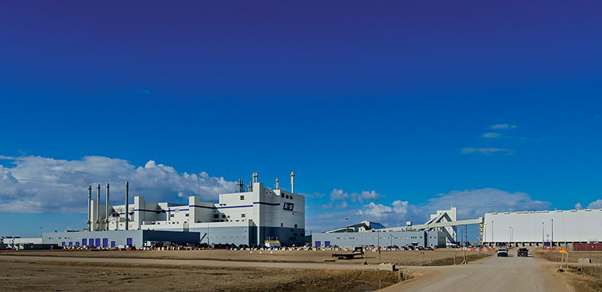
Figure 1: Bethune potash mine in Saskatchewan at the time of its 2017 opening. Archive photograph; it does not show the new construction works. Credit: K+S Aktiengesellschaft, via Canadian Mining Journal.
Compaction Turns Fine Potash Into Granules Buyers Can Use
Bethune uses solution mining. Water dissolves potash underground, and the resulting brine returns to the surface. At the plant, potash crystallises out of the solution. Some of the dried material then goes through compaction, where fine particles are pressed together and sized to meet a buyer’s requirements.
That last step matters to the potash mine expansion. If more crystals arrive than the compactors can handle, the mine can recover more potash without having more granular product ready to dispatch. The extra compaction facility addresses that gap between what comes out of the process plant and what can go into a customer’s shipment.
K+S has not disclosed a separate annual capacity for the new compactors. The four-million-tonne figure in the announcement describes the ambition for Bethune as a whole.
Power Distribution Makes the New Processing Equipment Usable
A compactor can be bolted into place well before it is ready to process potash. Electricians still have to connect it, instruments need to show operators what the equipment is doing, and controls have to respond as intended when material enters the line.
Worley’s contract covers those connections as well as the building itself. Crews will install structural, architectural, piping and mechanical components alongside electrical, instrumentation and control systems. The mining power infrastructure in this package distributes electricity to equipment at the site. Worley did not announce a new generating station or disclose a power rating in megawatts.
For Worley shareholders, the award confirms two years of field construction work. It gives no contract price or margin. That distinction is useful when considering what can drive a change in ASX mining valuations. K+S has identified the processing capacity it wants to build; shareholders in its contractor still need to know what Worley will earn after paying to deliver the work.
The Pumphouse and Compactors Have to Keep Pace With Each Other
Earlier in 2026, K+S identified a cooling pond pumphouse project to support increased secondary mining capacity. Graham Construction’s work included the pumphouse, together with concrete and piling for the compaction expansion. Worley’s November award covers field installation for the compaction building and its power systems.
The two projects serve different parts of the operation. The pumphouse supports the mining process, while the compactors handle material nearer the point of sale. If the mining side expands first, finishing capacity can still limit shipments of granular potash. If the compactors are ready first, operators need enough feed to put them to use.
Worley will carry out its project in partnership with George Gordon Developments. It linked that partnership to longer-term economic opportunities for First Nation communities. The announcement did not specify how many jobs or procurement opportunities the contract would create.
A Two-Year Build Supports a Capacity Target Around 2040
Worley’s contract runs for two years. K+S’s expansion programme runs much longer. The figures describe different parts of the work at Bethune:
| Figure | What It Covers |
| Two years | Worley’s contract for field construction of the compaction building and associated power distribution systems. |
| Approximately four million tonnes a year | The annual production capacity K+S is targeting across the entire Bethune mine. The company has not disclosed a separate capacity figure for the new compactors. |
| Around 2040 | When K+S aims to reach that site-wide capacity. It is not the scheduled completion date for Worley’s work. |
Once the equipment is installed and powered, the next test is how it performs with potash moving through it. Operating updates can then show whether the plant consistently produces granules to the size buyers order and how many of those tonnes reach customers.
ALSO READ: BHP’s 2027 Mining Strategy: What the AGM Reveals
FAQs
What Does Compaction Mean at Bethune?
It means pressing fine potash particles together to produce granules of the required size. Here, the term describes mineral processing, not ground stabilisation.
Is Worley Responsible for the Entire Bethune Expansion?
No. Worley’s contract covers field construction for the compaction building and associated power distribution infrastructure. Other contractors are responsible for separate parts of the programme.
Will Bethune Produce Four Million Tonnes When Worley Finishes?
K+S has not made that forecast. Four million tonnes a year is its site-wide capacity target for around 2040. Actual production and sales will be reported separately.
How Much Is the Worley Contract Worth?
The 10 November announcement disclosed the scope and two-year term but did not give a contract value or expected earnings contribution.
Disclaimer: This article provides general information, not financial advice. The capacity target and development timetable are company expectations.

Elizabeth Jones is a finance and mining content specialist with over 10 years of experience creating clear, SEO-driven content across fintech, investing, banking, insurance, cryptocurrency, and resource markets. She transforms complex financial data and industry trends into engaging, reader-focused articles that improve understanding and audience engagement.