
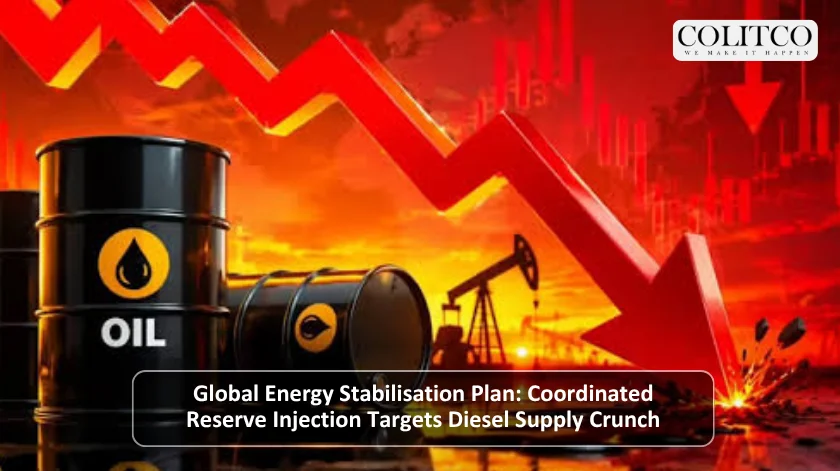
The Group of Seven nations and partners plan to release up to 100 million barrels. The emergency supply will include crude and diesel stocks.
The International Energy Agency will coordinate the release over four months. Diesel will receive the initial focus under the plan. French President Emmanuel Macron announced the move on Friday.
He said the action would send a clear market signal. The announcement follows growing pressure from the Trump administration. Washington has sought measures to reduce soaring fuel prices.
Why The Diesel Supply Crunch Has Intensified
The markets for diesel have been under pressure for some time due to a number of supply disruptions. The conflict in Iran and Ukraine has led to food insecurity. There has also been extra strain on refining capacity. But diesel is essential in many aspects of the world economy.
It is used in the transport, farming and industrial sectors. The ongoing crisis has consequently brought about broader economic issues. The main pressures identified in the report are:
- Disruption of supply: Wars in Iran and Ukraine have caused a lack of reliable energy supplies.
- Refinery disruptions: Existing refinery disruptions have made diesel shortages more serious.
- Higher prices: US diesel prices hit as high as $US6.53 per gallon.
- European pressure: European prices for futures have at times topped $US200.
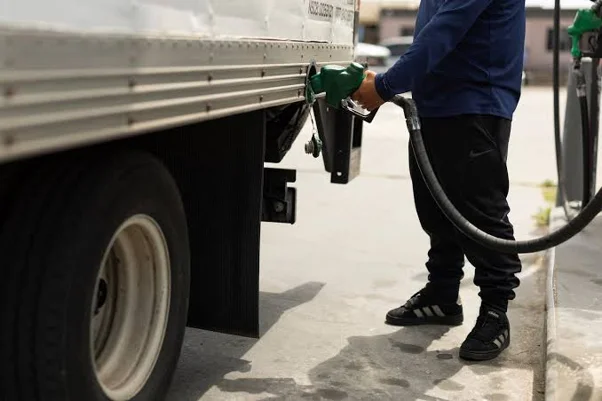
Diesel supply pressures are affecting transport, farming and industrial markets worldwide. [Reuters]
Coordinated Reserve Injection Could Reach 100 Million Barrels
The proposed coordinated reserve injection could reach 100 million barrels. However, the amount of new supply may be lower. Some stocks remain available under an earlier release programme.
Two European diplomats provided that assessment anonymously. The G7 statement did not specify the final breakdown. It also did not separate new commitments from earlier pledges. The latest plan will include previously pledged barrels not yet released.
The IEA coordinated a 400 million-barrel reserve release in March. That action followed the outbreak of the Iran war. About a third of that original release remained unavailable Tuesday.
Germany had released only about 23 per cent of its pledged stocks. Spain had released about one-third of its commitment. The US approved another 40 million barrels this week. That completed its contribution to the March agreement.
How The Emergency Release Will Reach Markets
The latest plan places immediate emphasis on diesel availability. The G7 statement outlines several key elements:
- Initial timing: A substantial diesel release is planned within 20 days.
- Four-month period: The broader emergency release will take place over four months.
- Further action: The IEA will discuss additional diesel releases if necessary.
- Export restrictions: G7 members reaffirmed commitments against energy export restrictions.
- Reserve protection: EU ambassadors discussed protecting strategic reserve levels.
The measures aim to reduce immediate supply pressure across affected markets. They also seek to prevent additional export restrictions. Trump previously threatened a US diesel export ban. Such a move risked worsening global fuel shortages. Europe and Latin America faced particular exposure under that scenario.
Market Reaction And Refining Pressure
European and US diesel futures fell after the announcement. Brent crude initially declined before recovering later. European diesel’s premium over crude also weakened sharply. The premium reached $US69 a barrel at its lowest point.
It stood at $US76.77 on Thursday, according to Bloomberg data. European refining margins also dropped about 10 per cent. US refining margins declined roughly 5 per cent. Rebecca Babin of CIBC Private Wealth Group discussed the impact.
She said additional supplies could pressure European refining margins. Lower European import demand could also affect US exports. Additional diesel availability may reduce refiners’ crude demand. This could create further pressure across crude and refined markets.
What The Global Energy Stabilisation Plan Means
The plan offers a short-term response to the diesel supply crunch. It could increase available diesel volumes across affected markets. However, the release also raises questions about strategic reserves.
European officials want releases without jeopardising emergency stock levels. The US has also committed to avoiding energy export bans. Macron said members had agreed to release reserves together. Trump welcomed the action and said the process would begin immediately.
The wider market impact will depend on actual release volumes. Timing will also determine how quickly supplies reach consumers. China cancelling some October fuel loadings adds further pressure. Europe currently has limited alternatives to emergency reserve releases. For more such insights, visit Colitco.com.
Also Read: EVN Strategic Updates in Focus as September Quarter Investor Call Nears
FAQs
Q1: What is the energy stabilisation plan in the world?
A1: Up to 100 million barrels of emergency oil and diesel stocks will be released. The IEA will be coordinating the release over four months.
Q2: What are the reasons for the worsening of the diesel supply crunch?
A2: Disruptions to supplies and refining capacity due to wars in Iran and Ukraine. Fuel prices are ushering in greater strain on transport, farming and industry.
Q3: When can we expect to see diesel reserves available?
A3: A significant amount of diesel will be released within 20 days. Additional releases are possible should market demand dictate.
Q4: What would be the impact of the coordinated reserve injection on the markets?
A4: If there is a short-term additional diesel supply, this might alleviate immediate shortages and reduce fuel premiums. The effect will be determined by volumes and delivery schedule.
Disclaimer:
The information in this article is derived from the provided Bloomberg report on October 3, 2026, and shall not be interpreted as comprehensive or all-encompassing. The price of markets, releases from reserve and geopolitical events can fluctuate over time. The figures and statements are based on information available in the source material. This article is meant for news and information purposes only. It is not a financial, investment, trading or commodity-market recommendation.

Luke Carlino is a seasoned Copywriter, Content Strategist, and Social Media Manager specialising in Mining, Finance, and Business journalism. With more than a decade of industry experience, he brings rigorous editorial standards and commercial acuity to every project.