
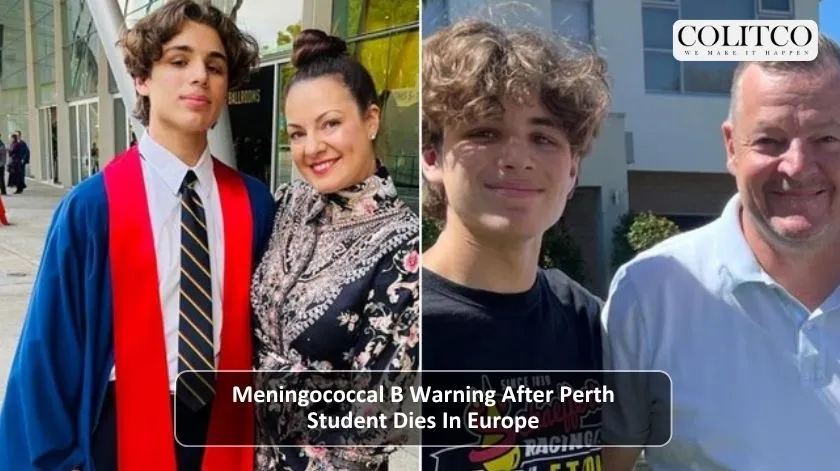
A meningococcal B warning has intensified after Perth student Alexander Philogene died within hours of symptoms. The 21-year-old was on a university exchange program in Vienna. A flight to Portugal earlier this month was when he started to feel unwell.
It is reported that he had a headache and a rash during the flight. These are the symptoms of meningococcal B infection. The illness had progressed rapidly, and he was dead in a matter of hours.
His death has appalled the Australian and foreign societies. The incident emphasizes the rapidity with which meningococcal B can develop out of the blue. The government is calling for immediate sensitization of travellers and students in foreign countries.

Alexander Philogene’s sudden illness highlights meningococcal B risks during travel. [Courtesy: PerthNow]
Why Is The Meningococcal B Warning Increasing Globally?
The increasing cases of meningococcal B have led health authorities to issue a warning in Europe. Kent in England recently reported an outbreak in the United Kingdom Health Security Agency. By March 18, the outbreak had 20 cases and two deaths.
This has led to alarm among international health agencies. Meningococcal B is transmitted by close contact, and travel is a major risk factor. Crowded places are especially susceptible to students and tourists.
Governments are strengthening campaigns to encourage vaccination around the world. The intent of the warning is to avoid additional deaths by early detection and prevention. Increased cross-border movement remains a challenge to disease containment measures across the globe.
Where Did The Outbreak And Recent Cases Occur?
Europe, especially the United Kingdom, has been associated with the recent cases of meningococcal B. In recent weeks, Kent, England, has had a cluster of infections. There were 20 confirmed cases and two deaths in that area.
In the meantime, Australia has registered cases within the country in 2026. Four infections were confirmed this year by South Australia Health. One of them is an 86-year-old female in Adelaide who is in good condition. These trends show that there are local and international transmission risks.
The health agencies are paying close attention to regional trends. The death of a student in Perth highlights the worldwide character of infectious diseases. Exposure as a result of travel remains a major contributor to the spread.
Europe has reported rising meningococcal B cases, prompting global health alerts.
When Do Symptoms Develop And Escalate Rapidly?
The Meningococcal B symptoms may develop abruptly and deteriorate in a few hours. The first symptoms usually consist of headache, fever, and fatigue. In the case of Philogene, a rash and headache were reported. Such symptoms are initial signs of serious infection.
The illness may develop quickly into life-threatening complications. Health specialists caution that the degeneration can take place in several hours. Other symptoms are nausea, stiffness of the neck, and confusion.
Advanced cases may also be characterized by mottled skin. The first thing is to be recognized. Treatment delays greatly enhance the possibility of death. Emerging symptoms require immediate medical attention.
How Are Authorities Responding To The Meningococcal B Warning?
Governments are reinforcing the social health communication after the meningococcal B outbreak. Australian health agencies are recommending travellers check their vaccination.
There are campaigns in the community to raise awareness of the symptoms and their early detection. There has been a greater international coordination of health bodies.
Outbreaks in Europe are being monitored. Medical personnel are encouraged to be vigilant for possible cases. Close contacts of the infected persons may be given preventive antibiotics.
Travel health guidelines are also being reviewed by governments. The idea of rapid response strategies is to reduce the number of additional deaths. The cooperation of the population is also necessary in the process of the spread of this aggressive disease.
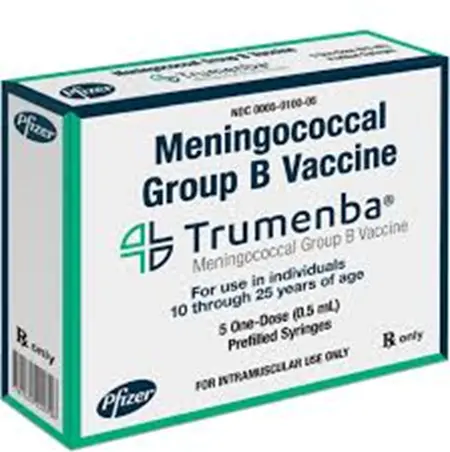
Health authorities urge vaccination and awareness following meningococcal B warning. [Courtesy: Pfizer Prime]
What Preventive Steps Should Travellers Take?
It is recommended that travellers take proactive precautions against meningococcal B infection. The most effective type of protection is vaccination. Health professionals advise looking at immunisation documentation prior to travelling.
Staying away is better to avoid getting infected. Hygiene is imperative, such as handwashing. It is not advisable to share utensils or beverages. Travellers must also be vigilant for the initial symptoms during and after travel.
It is advisable to consult medical experts prior to going to risky areas. Timely intervention may greatly enhance the result. As a preventive measure, it is important to minimize exposure and protect health when travelling internationally.
What Does This Case Mean For Public Health Awareness?
The meningococcal B warning is an illustration of the unpredictability of infectious diseases. Alexander Philogene has been remembered as a most kind and beautiful soul who was everything to so many.
He has been a great influence in his community as well as his family because of his death. His uncle told him, and we are all so sorely afflicted with the loss.
These offerings are a measure of the emotional cost of abrupt disease. The issue of public health awareness is more critical than ever. Symptom and prevention education can save lives.
Governments are still reminding us of the importance of vigilance and readiness. The case is a reminder that there are health risks in the world. Constant awareness is crucial when it comes to averting future tragedies.
Also Read: UnitedHealth Group Earns Morgan Stanley Top Pick Status Before Q1 Results
FAQs
Q1. How quickly can meningococcal B become fatal?
A1: The disease can progress within hours. In severe cases, death may occur rapidly without treatment.
Q2. How many cases were reported in Kent, England?
A2: Authorities reported 20 cases and two deaths by March 18. This triggered international concern.
Q3. How many cases were recorded in South Australia in 2026?
A3: Four cases were confirmed, including an 86-year-old woman in stable condition. Monitoring continues.
Q4. What symptoms did Alexander Philogene experience?
A4: He developed a headache and rash before his condition worsened. These are key early warning signs.
Disclaimer
This article is for informational purposes only and should not replace medical advice. Readers are encouraged to consult healthcare professionals regarding meningococcal B symptoms, vaccination, or treatment. The information reflects recent reports and public health updates. Individual cases may vary, and immediate medical attention is essential if symptoms appear.
Sources
- https://www.9news.com.au/national/meningococcal-b-strain-warning-after-perth-man-dies-overseas/3c468ac9-2c7a-4883-b491-8a3631ec3319
- https://www.skynews.com.au/lifestyle/trending/aussie-student-21-dies-four-hours-after-developing-meningococcal-symptoms-on-flight/news-story/d5a2fb69803e4dce4eb00f4e6b12774e
- https://www.perthnow.com.au/news/public-health/perth-man-21-dies-after-being-infected-by-aggressive-meningococcal-strain-while-overseas–c-22184482


