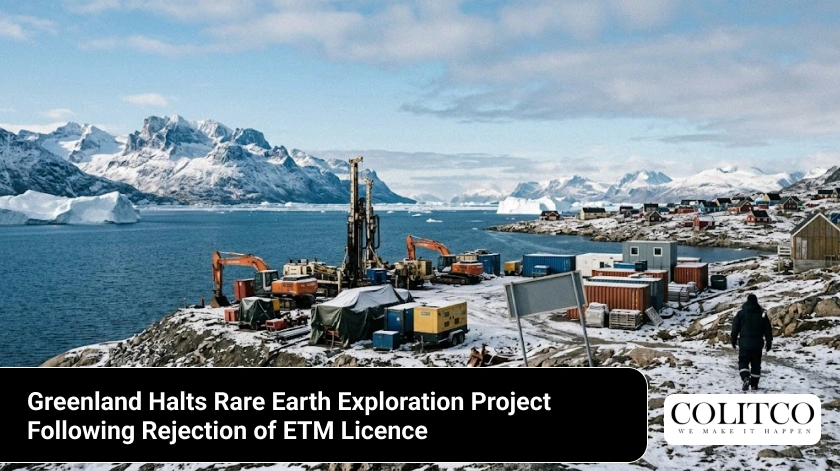
The government of Greenland refused the application from Energy Transition Minerals to renew the licence for mineral exploration at the Kuannersuit site. The Ministry of Mineral Resources issued the determination following a process of evaluation regarding the presence of uranium elements. This action halts exploration activities at the asset location and prevents the company from performing further field operations.
The authority based its verdict on the statutory provisions of the Uranium Act that the parliament enacted in 2021. The statement from the cabinet noted, “Further exploration in the area is not deemed likely to lead to the discovery of deposits that can be exploited in accordance with the Uranium Act”. The administration determined that the site contents exceed safety limits regarding materials that contain radiation
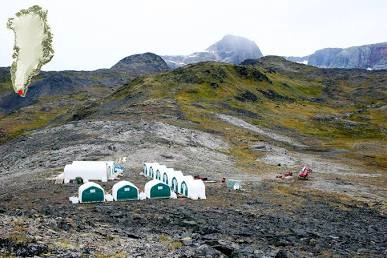
Figure 1: The Kvanefjeld project site in southern Greenland [Source: Ej Atlas]
Energy Transition Minerals expressed disagreement with the timeline and the underlying basis of the regulatory ruling. The corporation noted that the ministry provided forty-eight hours for a response during the final consultation phase. The management team plans review procedures under administrative law to protect corporate investments and shareholder interests.
Market and Supply Chain Analysis
The decision changes the outlook for mineral supply networks that function outside the processing hubs of China. The Kvanefjeld deposit holds an asset base of one billion tonnes of resources grading 1.1 per cent rare earth oxides. Manufacturing sectors require these specific elements for the production of wind turbines, vehicle motors, and electronics.
The ruling establishes a precedent for capital investments in the resource sectors of the Arctic territory. Market analysts monitor how environmental legislation impacts mining operations and corporate rights within sovereign jurisdictions. The action signals risks for exploration corporations that target multi-element deposits with complex mineral compositions.
- Resource volume: The deposit holds one billion tonnes of mineralised material.
- Oxide grade: The total resource features an average grade of 1.1 per cent rare earth oxides.
- Infrastructure access: The deposit sits less than ten kilometres from an ice-free deep-water fjord.
Citizens in the southern region face adjustments regarding employment opportunities and community development plans. Energy Transition Minerals stated that the development project would bring jobs, training, and revenue to Greenland and the town of Narsaq. The cancellation alters the economic trajectory for the regional workforce and local supply businesses.
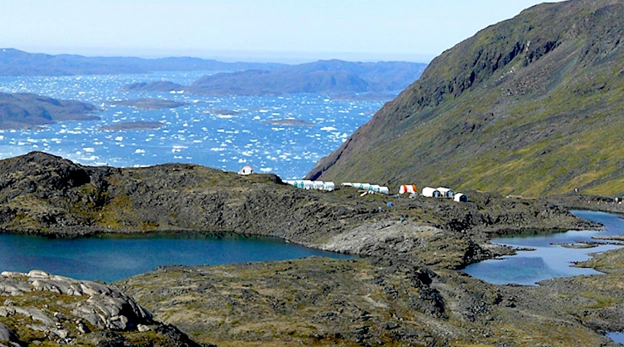
Figure 2: The Kvanefjeld rare earth project [Source: Energy Transition Minerals]
Stakeholder Analysis and Industry Impact
The entity at the centre of the case involves Energy Transition Minerals, which maintains a listing on the Australian Securities Exchange. Its subsidiary, Greenland Minerals, coordinates the direct operations and handles the licence applications at the site. An organisation from China, Shenghe Resources, holds a seven per cent shareholding stake in the parent corporation.
The leadership of Greenland, specifically the Inuit Ataqatigiit party, directs the policy of the administration. The Minister of Foreign Affairs and Mineral Resources, Mute Egede, implemented the position against uranium extraction during his tenure as prime minister. The Parliament of Greenland enforces the legislative frameworks that govern the extraction of minerals.
The technology and manufacturing sectors rely on the raw outputs from development projects of this scale. Automobile manufacturers, defense contractors, and energy conglomerates represent the consumers of rare earth elements. The decision restricts the options for processing plants in the West that seek alternatives to supply monopolies.
Geographic Context
The dispute centres on the Kvanefjeld deposit, also known as Kuannersuit, in the south of Greenland. The site occupies an area less than ten kilometres from a fjord with water that remains free of ice throughout the year. This position allows shipping access during all seasons without the construction of roads across ice.
The operations affect the town of Narsaq, where residents hold viewpoints on mining activities and environmental preservation. The proximity to infrastructure, including the Narsarsuaq airport and hydropower installations, increases the economic utility of the deposit. The territory contains a resource accumulation that experts classify among the largest deposits globally.
The framework spans jurisdictions, connecting the offices in Nuuk, the authorities in Copenhagen, and tribunals for arbitration. The High Court of Greenland handles the litigation regarding the application of rights to property. The geography places Greenland at the centre of discussions between nations in the West and hubs for processing in Asia.
Regulatory Timeline
The conflict stems from actions in 2021 when the Inuit Ataqatigiit party won the regional election. The parliament passed Act Number 20 of 2021, known as the Uranium Act, in November of that year. This legislation banned the exploration and exploitation of minerals with uranium concentrations above one hundred parts per million.
Greenland Minerals submitted the application to extend the exploration licence in September 2025. The Ministry of Business and Mineral Resources commenced a consultation process with the party in April 2026. The company provided a response to the regulators on 15 June 2026.
The ministry delivered memoranda on geology on 22 June 2026 and demanded corporate comments within forty-eight hours. The government announced the rejection of the licence extension on Friday, 26 June 2026. The High Court of Greenland fixed 23 October 2026 as the deadline for statements of defence.
Regulatory Dispute and Legal Proceedings
The government refused the extension because the assessments on geology indicated the presence of uranium as a byproduct. The administration noted that the Kvanefjeld deposit contains two hundred and forty-eight parts per million of uranium oxide. This concentration exceeds the limit that the statute from 2021 permits.
Energy Transition Minerals disputes the assessment process and alleges a lack of fairness in the procedure. The company noted that its field programme from 2025 identified ten target zones outside the resource area. These zones include a trend of 1,800 metres where uranium concentrations remain below the threshold.
The company outlines its position through statements to the market. “The compressed timeframe imposed during the consultation process, the refusal of a reasonable extension, and the apparent failure to consider material exploration data raise significant questions regarding procedural fairness,” the company stated. The management believes that the government predetermined the outcome.
Managing director Daniel Mamadou summarized the impact on investor sentiment. “It is the latest in a series of shifting policy positions on a project of clear strategic significance, and it sends a damaging signal about the predictability of the regulatory environment in Greenland,” Mamadou said. He added, “This decision significantly undermines Greenland’s position as a predictable place to invest, at a time when stable jurisdictions are central to establishing Western critical mineral supply.”
The dispute will now advance through channels in the court system. The authorities will not reallocate the licence area to other entities while the proceedings continue. Energy Transition Minerals will pursue avenues to protect shareholder value.
The High Court of Greenland will evaluate the compliance of the administration with law. The company also maintains a statement of claim with an arbitral tribunal in Copenhagen. The battle will continue into late 2026 and years that follow.
Disclaimer:
This article is for informational purposes only and does not constitute financial, legal, investment, or professional advice. The information presented is based on public regulatory announcements, government statements, and corporate disclosures as of June 2026. Readers should conduct their own independent due diligence or consult with professional advisors before making any decisions based on the content of this report.
Sources
- https://www.mining.com/web/greenland-rejects-energy-transition-minerals-request-for-licence-renewal/
- https://minexforum.com/greenland-formally-rejects-etms-kvanefjeld-rare-earth-licence-renewal-citing-uranium-law-as-company-condemns-compressed-timeframe/
- https://news.metal.com/newscontent/103980090-greenland-rejects-rare-earth-exploration-license-renewal-due-to-uranium-mining-ban

Elizabeth Jones is a finance and mining content specialist with over 10 years of experience creating clear, SEO-driven content across fintech, investing, banking, insurance, cryptocurrency, and resource markets. She transforms complex financial data and industry trends into engaging, reader-focused articles that improve understanding and audience engagement.