
The IGO annual report retraction concerns a tonnage and grade estimate for the South Iron Cap exploration target on page 38 of the company’s annual report. In its 23 September 2026 announcement, IGO said the statement did not meet Clause 17 of the JORC Code (2012).
The company has instructed shareholders to disregard the statement and avoid using it for investment decisions. It also explicitly limited the correction’s scope: no other annual-report statement is affected.
The withdrawal raises questions about technical disclosure checks. However, the announcement does not confirm a formal governance review, regulatory investigation or financial restatement. Those distinctions are essential when assessing what the update means.
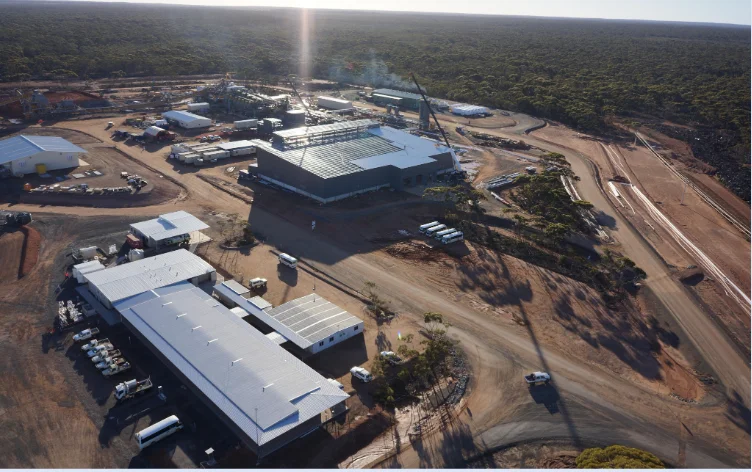
Figure 1: A wide aerial/operational shot of IGO’s Nova site. IGO confirms Nova is its operation in Western Australia’s Fraser Range. Image credit: IGO Limited.
What Exactly Did IGO Withdraw?
IGO withdrew the statement referring to estimated tonnage and grade at South Iron Cap. The annual report containing it was released to the ASX on 27 August 2026.
The correction does not replace the estimate with a revised figure. Instead, IGO states that it does not currently report a South Iron Cap exploration target in accordance with the JORC Code (2012).
That leaves investors with a clear instruction: the withdrawn estimate should no longer support assumptions about the target’s scale or grade.
| Disclosure item | Position stated by IGO |
|---|---|
| Affected document | 2026 Annual Report |
| Original release date | 27 August 2026 |
| Affected location | Page 38 |
| Subject | South Iron Cap exploration target |
| Corrective action | Withdrawal of the statement |
| Financial statements | Unaffected |
| Mineral Resources and Ore Reserves | Unaffected |
The annual report should be read together with the correction. Describing the entire report as withdrawn would misrepresent the announcement.
Why Did the Exploration Statement Fail the Reporting Requirements?
IGO identified several omissions relating to how the estimate was presented.
- Tonnage and grade ranges: The estimate was not expressed as ranges of tonnage and grade.
- Supporting basis: The report did not disclose the basis on which the estimate had been prepared.
- Cautionary wording: The statement lacked the required explanation of uncertainty.
- Competent Person statement: The accompanying professional statement required by Clause 17 was missing.
These requirements help readers understand the status of an exploration estimate. The JORC Code’s exploration-target provisions distinguish conceptual exploration potential from mineralisation sufficiently explored to estimate a Mineral Resource. jorc.org
A single tonnage-and-grade figure can appear more precise than the available evidence supports. Ranges and explanatory material help communicate that uncertainty, while professional reporting requirements establish accountability for the disclosure.
What Remains Unchanged for Shareholders?
The company expressly separates the withdrawn exploration statement from its established reporting.
- Mineral Resource estimates: IGO says the withdrawal does not affect the estimates reported in the annual report.
- Ore Reserve estimates: These are also unaffected by the correction.
- Financial statements: The statements for the year ended 30 June 2026 remain unaffected.
- Other annual-report statements: IGO says no other statement in the report is affected.
This matters because different types of correction can have very different consequences. A change to financial statements could alter reported earnings or asset values. A resource revision could change the disclosed mineral inventory.
Neither outcome is announced here. Equally, the limited scope does not make the reporting deficiency irrelevant. Investors still need accurate qualifications when evaluating exploration potential.
Exploration Potential and Established Inventory Serve Different Purposes
An Exploration Target describes a conceptual opportunity where exploration is insufficient to estimate a Mineral Resource. It should not be treated as an additional reserve or as an assured future source of production.
This distinction is particularly important when investors compare companies using headline tonnes, grades or contained-metal calculations.
Numbers can travel beyond their original context. An estimate might appear in a research note, spreadsheet or presentation without the qualifications that should accompany it. Once withdrawn, it should not continue circulating as an established company figure.
The practical implication of the ASX disclosure update IGO report correction is therefore specific: any analysis relying on that South Iron Cap statement needs to be reconsidered. The announcement provides no replacement estimate to insert into the same calculation.
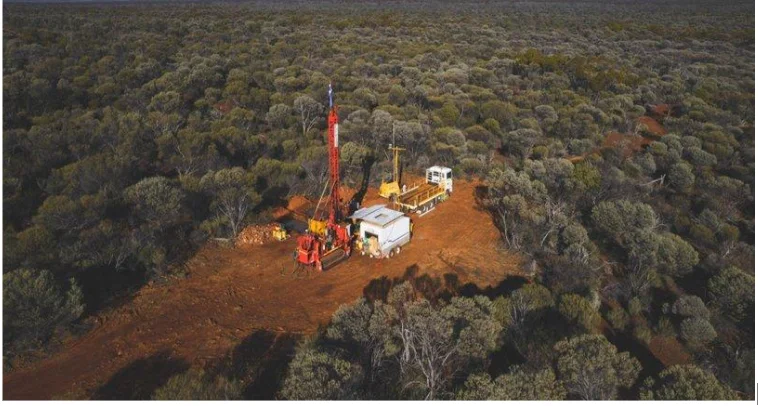
Figure 2: Exploration activity across IGO’s portfolio of the technical work underpinning mineral exploration and reporting. Image credit: IGO Limited.
How Should Investors Read the Correction Alongside the Report?
The most useful approach is to identify precisely where the withdrawn statement influenced an investment argument.
- Check the original reference: Confirm whether a valuation, project comparison or growth assumption used the page 38 estimate.
- Remove unsupported reliance: Avoid treating the withdrawn figure as a compliant target, resource or reserve.
- Retain the stated boundaries: Do not extend the correction to financial or mineral estimates that IGO explicitly says are unaffected.
- Look for subsequent disclosure: Any future South Iron Cap estimate should be assessed on its own supporting information and qualifications.
The supplied release includes no share-price reaction, valuation change or operational announcement. It therefore cannot establish that the correction caused a market sell-off or changed a development schedule.
Those claims would require separate evidence.
What Happens Next?
The IGO annual report retraction removes one South Iron Cap statement from the information shareholders should rely upon.
Its immediate significance is disclosure accuracy. The company has identified the shortcomings, withdrawn the statement and explained which parts of the annual report remain unaffected.
Further conclusions about governance failures, regulatory action or project value would go beyond the supplied release. For now, the appropriate reading is a specific technical-reporting correction with an explicit instruction to disregard the affected estimate.
Also Read: Bellevue Gold Governance Reset: What the FY26 Board Renewal Means for Investors
Disclaimer
Prepared for Colitco for general information only, this article does not constitute investment advice. Governance commentary is analysis, not confirmation of a formal review. Readers should consult IGO’s correction, annual report and subsequent disclosures before making investment decisions.

Luke Carlino is a seasoned Copywriter, Content Strategist, and Social Media Manager specialising in Mining, Finance, and Business journalism. With more than a decade of industry experience, he brings rigorous editorial standards and commercial acuity to every project.