
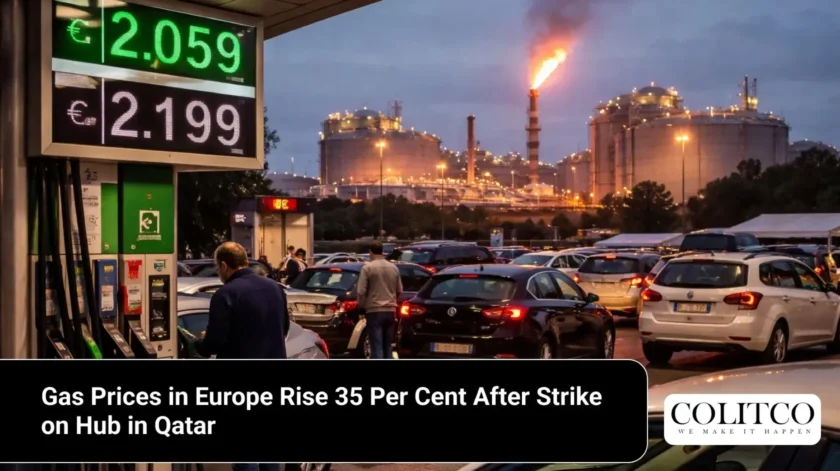
Natural gas prices in Europe rose 35 per cent on Thursday. This increase followed missile strikes from Iran against energy infrastructure in the Gulf. The strikes hit the facility with the capacity for export of liquefied gas in the region.
QatarEnergy confirmed the strikes caused damage to units within the complex. These units process gas for shipment to markets across the world. Fires broke out at the Ras Laffan Industrial City after the impact of the missiles.
The price of gas on the Dutch Title Transfer Facility reached 74 euros per megawatt-hour. This level represents a jump from the price recorded before the escalation of the conflict. Traders reacted to the loss of supply from the region.
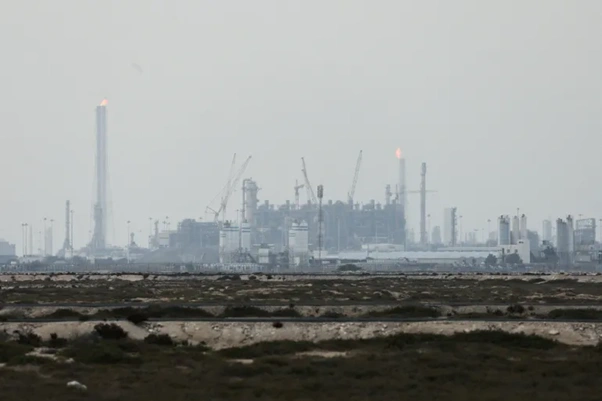
Figure 1: QatarEnergy’s liquefied natural gas production facilities in Ras Laffan Industrial City [Reuters]
Incident Details
Missiles from Iran struck the Ras Laffan Industrial City during the hours of Thursday morning. The attack targeted processing plants and storage tanks at the site. QatarEnergy reported that the strikes caused fires and damage to the infrastructure.
Emergency teams arrived at the scene to contain the flames and secure the perimeter. Authorities accounted for the personnel at the facility during the incident. No reports of casualties emerged from the site after the attack.
The strikes follow a series of drone attacks that occurred in the month. Those previous incidents slowed operations at the export hub. This latest action stopped production across the complex.
Engineers at the site monitor the stability of the remaining units. The company suspended all operations to ensure the safety of the workforce. Damage to the cooling systems prevents the liquefaction of the gas for transport.
🚨 BREAKING: Shocking news for India ! LPG supply may get affected as Iran missile has hit LPG gas production unit in Qatar Iran launched missile strike on Qatar’s Ras Laffan Industrial City — world’s largest LNG hub — sparking major fires & “extensive damage,” per QatarEnergy.… pic.twitter.com/W75sPOh6kb
— News Tiger World News And Entertainment (@NewsTigerWorld) March 19, 2026
Market Significance
The disruption affects the supply of energy to households and industries across Europe. This facility in Qatar provides one-fifth of the supply of liquefied gas for the world. A halt in production reduces the volume of gas available for purchase on the market.
Consumers face costs for electricity and heating as prices rise. Many countries in Europe rely on these imports to replace gas previously sourced from pipelines. The timing of the strike adds pressure as nations attempt to refill storage for the seasons.
Industries that require volumes of energy now face operational costs. Manufacturing sectors and chemical producers monitor the price fluctuations to adjust budgets. The surge in gas prices leads to inflation in the costs of goods and services.
The market expects a deficit in the supply of gas for the year. Traders bid for cargoes from the United States and Norway to fill the gap. This competition increases the prices for buyers in every region.
🔴Footage released: Strike on Ras Laffan natural gas facilities, Qatar largest gas industrial hub, the attack was by Iran. Reports indicate damage at the site, pic.twitter.com/Dox8Wo09Cz
— General Quacker | الجنرال كواكر (@general_he42676) March 19, 2026
Involved Entities
The following entities and sectors face the impact of the strikes:
- QatarEnergy: The state-owned company manages the Ras Laffan complex and oversees gas exports.
- Iran: The government in Tehran claimed responsibility for the strikes as a response to previous attacks.
- The Energy Sector: Companies such as ExxonMobil, Shell, and TotalEnergies hold stakes in the projects at Ras Laffan.
- European Consumers: Households across the continent depend on gas for daily energy needs.
- Asian Markets: Buyers in Japan, South Korea, and China compete for the same supply of gas.
- The United States: President Donald Trump issued warnings regarding retaliation for the attacks.
Analysts at Global Risk Management track the duration of the shutdown. Chief analyst Arne Lohmann Rasmussen stated: “The facilities could remain offline for months.” He noted: “The crisis would persist even if the war ends soon.”
The military forces of the United States and Israel previously hit the South Pars field in Iran. This action prompted a response from the government in Tehran. The conflict now involves the energy assets of multiple nations.
Insurance companies increased the premiums for tankers operating in the Gulf. This change raises the cost of transport for all energy products. Shipping firms re-route vessels to avoid the zones of conflict.
Geographic Locations
The strikes occurred at the Ras Laffan Industrial City in Qatar. This site sits 80 kilometres north of the city of Doha on the coast. It covers an area of 295 square kilometres and houses multiple gas-to-liquids plants.
Debris from intercepted missiles also fell near the Habshan gas facilities in Abu Dhabi. The United Arab Emirates shut down those plants as a precaution after the incident. These locations form the core of the energy network in the Persian Gulf.
The impact of the price surge reached the trading floors in Amsterdam and London. Markets across Asia also saw declines in equity values as energy costs rose. The geography of the conflict spans the region of the Middle East.
Storage facilities in Germany and Italy face a depletion of reserves. These nations rely on the infrastructure in the Gulf to maintain the energy balance. The location of the strikes hits the most sensitive point of the supply chain.
Also Read: Australia Has Enough Fuel for Now. What Happens After Mid-April?
Event Timeline
The missile strikes hit the Ras Laffan complex on Thursday, 19 March 2026. This followed a separate attack on the Pearl Gas-to-Liquids facility on Wednesday, 18 March 2026. Tensions in the region increased over the past weeks.
QatarEnergy declared force majeure on deliveries in the month after a drone strike. That initial disruption occurred on 2 March 2026. The latest strikes represent an intensification of the military actions in the Gulf.
The price jump happened after the opening of the markets on Thursday morning. Traders saw the benchmark contract rise 35 per cent within the hours of business. The volatility remains as the day progresses and more information arrives.
Nations across Europe convened emergency meetings on Thursday afternoon. Officials discussed the implementation of energy rationing if the supply does not return. These discussions follow the reports of damage from the site in Qatar.
Future Developments
Iran launched the missiles in retaliation for strikes on its own gas fields. Forces from the United States and Israel previously hit the South Pars field in Iran. The conflict transitioned from military targets to the destruction of assets.
The closure of the Strait of Hormuz complicates the shipment of gas from the region. Tanker traffic slowed as insurance costs for vessels increased. Shipping companies avoid the route to prevent the loss of ships and cargo.
The following steps define the outlook for the market:
- Damage Assessment: Engineers must inspect the site at Ras Laffan to determine the scale of repairs.
- Market Competition: Buyers in Europe and Asia will bid to secure the remaining cargoes of gas.
- Policy Response: Governments may release energy reserves to stabilise the prices for consumers.
- Military Escalation: The United States may increase its presence in the Gulf to protect infrastructure.
- Storage Refill: Nations will struggle to reach targets for gas storage before winter arrives.
President Donald Trump posted on social media about the situation in the Gulf. He stated: “The United States did not have knowledge of the strike on South Pars.” He warned that attacks on Qatar would lead to a response against the gas fields of Iran.
Saad al-Kaabi, the CEO of QatarEnergy, spoke to reporters about the future of the plant. He indicated: “Repairs might take between three and five years for some units.” This timeline suggests a reduction in the supply of gas to the world.
The market expects prices to remain at these levels until supply returns. Analysts at Wood Mackenzie noted that the strike on Ras Laffan hit the sensitive point of the market. This event changes the expectations for energy security for the rest of the year.
Disclaimer: This article is for informational purposes only and does not constitute financial or investment advice. Fuel prices and supply conditions are subject to rapid change. Readers should consult official government sources for the most current data.


