

The Global Copper Market Impact of Escondida’s restart comes down to an important change: activity is returning at the world’s largest copper mine. That reduces some uncertainty created by the suspension earlier in the week.
It does not yet establish that the operation has returned to normal production.
BHP is assessing workforce wellbeing, operational readiness, risk controls and authority requirements as activities resume. The investigation into the worker’s death remains underway.
For buyers and investors, the restart is a welcome development in a market already concerned about mine supply. Copper prices nevertheless remained firm on Friday, suggesting that the return of one operation had not removed the wider pressures facing the industry.
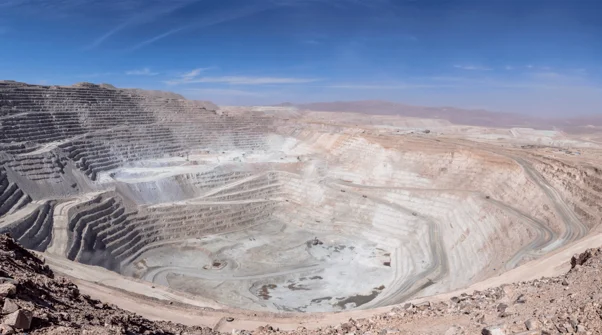
Figure 1: Escondida in northern Chile. This project photograph provides site context and does not depict the September 2026 restart. Credit: Mitsubishi Corporation.
What Has BHP Said About the Escondida Restart?
Operations were suspended on Wednesday after a worker died while performing maintenance duties. The union representing workers said the accident involved a front-end loader.
BHP subsequently confirmed that activities were resuming progressively, with assessments continuing. That wording matters: a gradual restart allows activities to return as the relevant conditions are addressed, rather than implying every part of the operation has resumed simultaneously.
The company identified several considerations guiding its approach:
- Workforce wellbeing: Employees’ welfare remains part of the assessment following the fatal incident.
- Operational readiness and controls: The company is checking whether activities can resume with the necessary safeguards.
- Authority requirements: The restart must take account of applicable regulatory requirements.
The Escondida Restart by BHP is therefore an operational development within an ongoing response to the accident. It does not mean the investigation has concluded.
The supplied update does not give a date for full production recovery or quantify the output affected by the suspension. Those details will be needed before the financial consequences can be assessed with confidence.
For now, the confirmed change is that the mine is moving out of a complete suspension through a staged resumption of activity.
Why Does the Return of One Mine Matter So Much?
Escondida’s size explains the attention. Located in the Atacama Desert in northern Chile, it is the world’s largest copper mine and a major asset for its joint-venture owners.
BHP operates Escondida and owns 57.5%. Rio Tinto holds 30%, while Japan-based JECO owns 12.5%.
| Partner | Interest in Escondida |
| BHP | 57.5% |
| Rio Tinto | 30% |
| JECO | 12.5% |
The official Escondida operation profile describes two pits feeding three concentrator plants, alongside oxide and sulphide leaching operations. It is a large, connected mining and processing business.
When an operation of that scale stops, customers and market participants need to consider how the interruption might affect future availability.
A restart provides a clearer route towards restoring production. However, the commercial effect depends on how quickly activity builds and whether any restrictions remain.
The distinction between production and deliveries is also important. The update does not establish that shipments stopped throughout the suspension, or that customers experienced shortages. Without information about inventories and delivery schedules, those conclusions would go beyond the evidence.
Escondida’s return improves visibility around one major source of copper. The extent of that improvement will become clearer through subsequent operating updates.
Why Did Copper Prices Stay Firm Despite the News?
Benchmark three-month copper on the London Metal Exchange edged higher on Friday to around US$14,783 per tonne, approximately A$21,040 per tonne. That put it close to the record high reached earlier in September.
A restart might appear to be news that should push prices lower. Yet a commodity market responds to the balance across many producers, buyers and available supplies.
The Copper Supply Chain Outlook still contains several sources of uncertainty:
- Constrained mine production: The supplied report notes that global copper mine supply remains tight.
- Disruptions in Chile: Weather-related interruptions have contributed to weaker-than-expected production.
- Escondida’s recovery pace: A gradual return does not immediately establish normal output or eliminate the effects of the stoppage.
UBS reiterated its concerns about constrained mine supply during the week, pointing to disappointing Chilean production.
That helps explain why relief over Escondida can coexist with firm copper prices. One concern is easing while others remain.
Readers tracking the benchmark can consult the London Metal Exchange’s copper market page. The Friday figure is a dated market observation, rather than a guaranteed price for subsequent sessions.
It also cannot tell us exactly how much of the day’s movement came from Escondida. Establishing that would require more evidence about trading conditions and other influences.

Figure 2: Landsat imagery of Escondida’s open pits. The historical view illustrates the site’s scale, not its current operating status. Credit: USGS EROS/Landsat.
Does the Restart Make the Copper Supply Chain More Stable?
It adds some near-term reassurance, but the scale of that benefit remains uncertain.
Before the announcement, the market faced a suspended operation without a clear indication of when activity would return. A progressive restart gives buyers and investors a more useful starting point for assessing the next steps.
There are still gaps in the available information. The update does not quantify lost production, specify how much capacity is operating or describe any revised delivery arrangements.
These omissions do not imply a lasting problem. They simply mean that a firm estimate would be premature.
The Global Copper Market Impact is best understood as a reduction in uncertainty around Escondida, rather than proof that the broader market has enough supply.
For industrial buyers, the practical question is whether suppliers can meet agreed volumes and dates. For shareholders, it is whether the interruption changes expected production, costs or earnings.
Those questions require different information. A mine can resume activities before its eventual financial impact is fully understood.
The broader lesson is that supply stability depends on consistent operating performance over time. A restart is an important step, but reliable output and deliveries provide the stronger evidence.
What Should Investors and Buyers Watch Next?
The next updates should help establish how the restart is progressing and whether the temporary suspension has lasting consequences.
Three developments would be particularly useful:
- Operating status: Confirmation of which activities have resumed and whether the mine has returned to normal production.
- Production implications: Any estimate of affected tonnes or changes to the company’s output expectations.
- Investigation findings: Information about the incident and corrective measures relevant to safe ongoing operations.
Until those details emerge, it is sensible to avoid putting a precise value on the interruption. Annual production divided by the number of days in a year would not establish actual daily losses.
The same care applies to the price outlook. Tight mine supply can support copper, but the restart alone does not justify a firm prediction about the next market move.
For Colitco readers, the Escondida Restart by BHP changes the immediate story from suspension to recovery. That is a meaningful improvement. The remaining task is to follow whether the staged return becomes sustained production, while keeping the worker’s death and the ongoing investigation central to the account.
Also Read: BHP vs Rio Tinto: Who Leads on Copper?
FAQs
- Why did Escondida suspend operations?
Operations stopped after a worker died during maintenance activities involving a front-end loader. - Has Escondida fully restarted?
No full restart has been confirmed. Activities are resuming gradually while assessments continue. - Will the restart lower copper prices?
Not necessarily. Other mine disruptions and constrained supply continue to influence prices. - What should investors monitor next?
Watch for production updates, confirmation of normal operations and findings from the ongoing investigation.
Disclaimer
This article is prepared for Colitco for general information and does not constitute investment advice. Operating conditions and commodity prices may change. Readers should review subsequent company disclosures and current market information before making investment decisions.

Elizabeth Jones is a finance and mining content specialist with over 10 years of experience creating clear, SEO-driven content across fintech, investing, banking, insurance, cryptocurrency, and resource markets. She transforms complex financial data and industry trends into engaging, reader-focused articles that improve understanding and audience engagement.