

Sulphur prices eased after a rough ride in 2026. Traders are watching the shift closely after a sharp drop from earlier highs. Since the start of the year, sulphur has still gained a lot, up more than 100%.
The move earlier this year came from less supply around the world and steady demand. Now the tone looks different. Recent weakness is making buyers slow down, especially where high prices are squeezing fertiliser makers. That is changing how and when some importers buy.
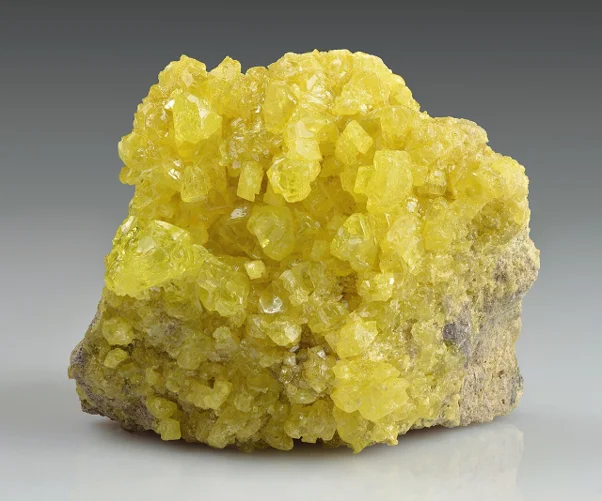
Sulphur prices remain significantly above year-ago levels despite the recent correction. [Wikipedia]
Market Reset: Sulphur Prices Slip After Historic Gains
By 25 September, sulphur was quoted at ¥7,719, or about $1,640, per tonne. The figure was still higher than the quarterly target of ¥7,698 per tonne. Even so, sulphur has dropped about 16% in the last month.
This decline follows an earlier surge of 226.71% year over year. Recent weakness has therefore reduced some of the previous highs. The key question now concerns whether the correction can continue through the coming months.
- Price position: Sulphur reached ¥7,719 ($1,640) per tonne on 25 September.
- Recent correction: Prices declined around 16% over the past month.
- Annual gain: Sulphur remains more than 100% higher since early 2026.
Why Commodity Run Sulphur Price Correction Is Emerging
The commodity-run sulphur price correction reflects changing demand conditions rather than renewed supply strength. A global sulphur shortage has supported prices during the recent rally. Several supply pressures have contributed to that shortage. These include the war in Iran, Chinese export restrictions, and lower Russian production.
However, the latest retreat reportedly reflects weaker buying. It does not indicate a clear recovery in global supply. Buyers are becoming increasingly cautious after sulphur’s sharp price escalation.
- Supply pressure: Global availability remains constrained by several major disruptions.
- Buyer response: Fertiliser producers are resisting historically high prices.
- Operating rates: Some producers are cutting operating rates amid elevated costs.
Fertiliser Producers Push Back Against High Prices
Fertiliser producers are now influencing the direction of the sulphur market. Historically high prices have encouraged producers to reduce operating rates. Some buyers are also delaying purchases across importing regions.
This behaviour is weakening demand and creating pressure on sulphur prices. The Independent Commodity Intelligence Services expects prices to remain under pressure for up to two months. Its outlook reflects increasing resistance from fertiliser producers.
The current trend highlights how demand can influence commodity prices. Supply shortages initially supported the rally. However, elevated prices are now encouraging buyers to delay commitments. This creates a different market dynamic despite ongoing supply concerns.
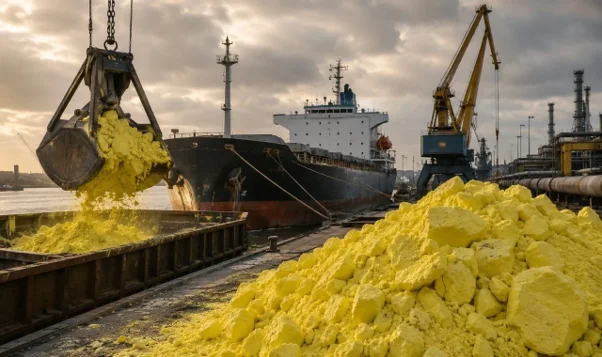
Fertiliser producers are delaying purchases as high sulphur prices pressure operating rates. [ALCHEMPro]
Where Australia Stands In The Sulphur Market
Australia currently has no active mine production of native elemental sulphur. The Government of South Australia confirms the absence of active production. Government of South Australia sulphur information. This places Australia within the broader global market rather than as an active native sulphur producer.
For international buyers, supply conditions remain important. The current correction could influence purchasing strategies across importing regions. However, prices remain substantially higher than their year-ago levels. The market therefore remains elevated despite the recent retreat.
What Comes Next For Sulphur Prices?
The next two months could prove important for the sulphur market. ICIS expects continued pressure as fertiliser producers push back against elevated prices.
The key factor will be whether weaker buying continues across importing regions. Any change in supply conditions could also influence the market direction.
For now, the Market Reset sulphur price slip trend represents a correction after an extraordinary commodity run. Prices remain well above earlier levels despite the recent decline. The market must now balance constrained supply against increasingly cautious demand.
Also Read: Healthcare Compounding Surprise: CSL & Pro Medicus Turned $10K Into a Different Investment Reality
FAQs
Q1: Why are sulphur prices falling?
A1: Sulphur prices are falling mainly because buyers are reducing purchases. Fertiliser producers are also cutting operating rates.
Q2: How much has sulphur increased in 2026?
A2: Sulphur has increased by more than 100% since the beginning of 2026. It also recorded a 192% annual increase.
Q3: What is sulphur trading at currently?
A3: As of 25 September, sulphur was priced at ¥7,719 ($1,640) per tonne. This was above the ¥7,698 quarterly forecast.
Q4: Does Australia produce native elemental sulphur?
A4: Australia currently has no active mine production of native elemental sulphur. The Government of South Australia reports this position.
Disclaimer
This article is provided for general news and informational purposes only. It discusses reported sulphur price movements, supply conditions, demand trends, and market forecasts. The information is based solely on the sources referenced above and available data. Commodity prices can change rapidly due to market conditions. Readers should conduct independent research before making investment or commercial decisions.

Luke Carlino is a seasoned Copywriter, Content Strategist, and Social Media Manager specialising in Mining, Finance, and Business journalism. With more than a decade of industry experience, he brings rigorous editorial standards and commercial acuity to every project.